Discover our primary heavy industrial systems engineered for demanding mining, smelting, and infrastructure operations globally.
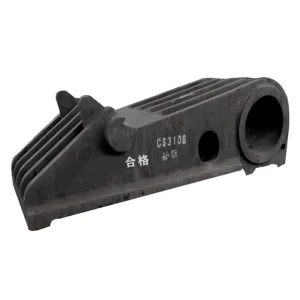
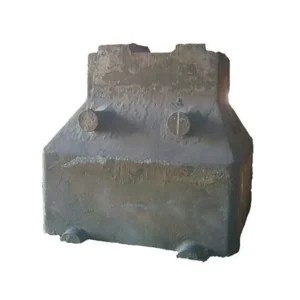
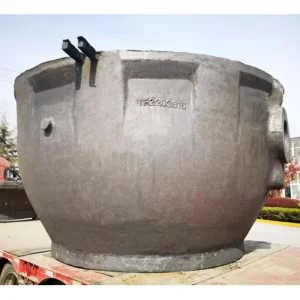
Analyzing Material Properties, High-Stress Metallurgy, and Procurement Logic in Global Manufacturing.
In the theater of heavy industrial engineering, the integrity of structural components dictates the productivity, safety, and longevity of entire systems. While ferrous castings have traditionally underpinned structural assemblies, the evolution of modern metallurgy has propelled non-ferrous castings to the forefront of mission-critical engineering design. Non-ferrous alloys—composed primarily of copper, aluminum, zinc, magnesium, and nickel—possess distinct physical, mechanical, and tribological parameters that ferrous metals simply cannot match.
Global sourcing entities look for unique characteristics like high strength-to-weight ratios, superior thermal and electrical conductivity, magnetic transparency, and resistance to severe corrosion in marine or acidic settings. When applied to crushers, mills, and heavy-duty forging presses, components like copper-based bearings, manganese-bronze sleeves, and specialized aluminum alloy enclosures prevent catastrophic steel-on-steel friction. This ensures reliable operation under extreme loads and speeds.
Copper-based alloy castings (such as leaded bronze or aluminum bronze) form self-lubricating film barriers. This reduces wear coefficients on structural steel components, crucial for high-friction mining assemblies.
Non-ferrous materials naturally resist oxidation and galvanic corrosion. This extends the lifespan of components exposed to acidic process water, chemical reagents, and harsh offshore marine environments.
With significantly higher thermal conductivity than carbon steel, non-ferrous cast alloys dissipate localized frictional heat, preventing thermal deformation and keeping bearings functioning safely.
The global supply chain for custom cast components has shifted from simple cost-minimization toward long-term operational resilience and material compliance. Industrial firms in North America, Europe, and the Asia-Pacific region now prioritize sourcing partners that combine foundry capacity, advanced CAD design, in-house CNC machining, and comprehensive non-destructive testing (NDT).
Several key factors drive the demand for non-ferrous and high-alloy cast structures across major markets:
To meet strict tolerances, modern custom foundries use a combination of physical expertise and simulation technologies. A component’s journey from alloy design to final dispatch follows a detailed engineering roadmap:
Using MAGMAsoft or ProCAST numerical simulations, engineers analyze liquid metal flow and heat distribution. This allows us to locate and eliminate potential shrinkage porosity, gas inclusions, and hot tearing before pouring any metal.
By adjusting trace elements (like Nickel, Iron, Manganese, or Silicon) in induction furnaces, we refine grain structures. This optimizes tensile strength, hardness, and ductility for specific industrial operating environments.
Large-scale CNC boring mills, portal machining centers, and multi-axis lathe tools finish cast parts to tight dimensional tolerances (often down to ±0.02mm). This guarantees direct compatibility and simple on-site replacement.
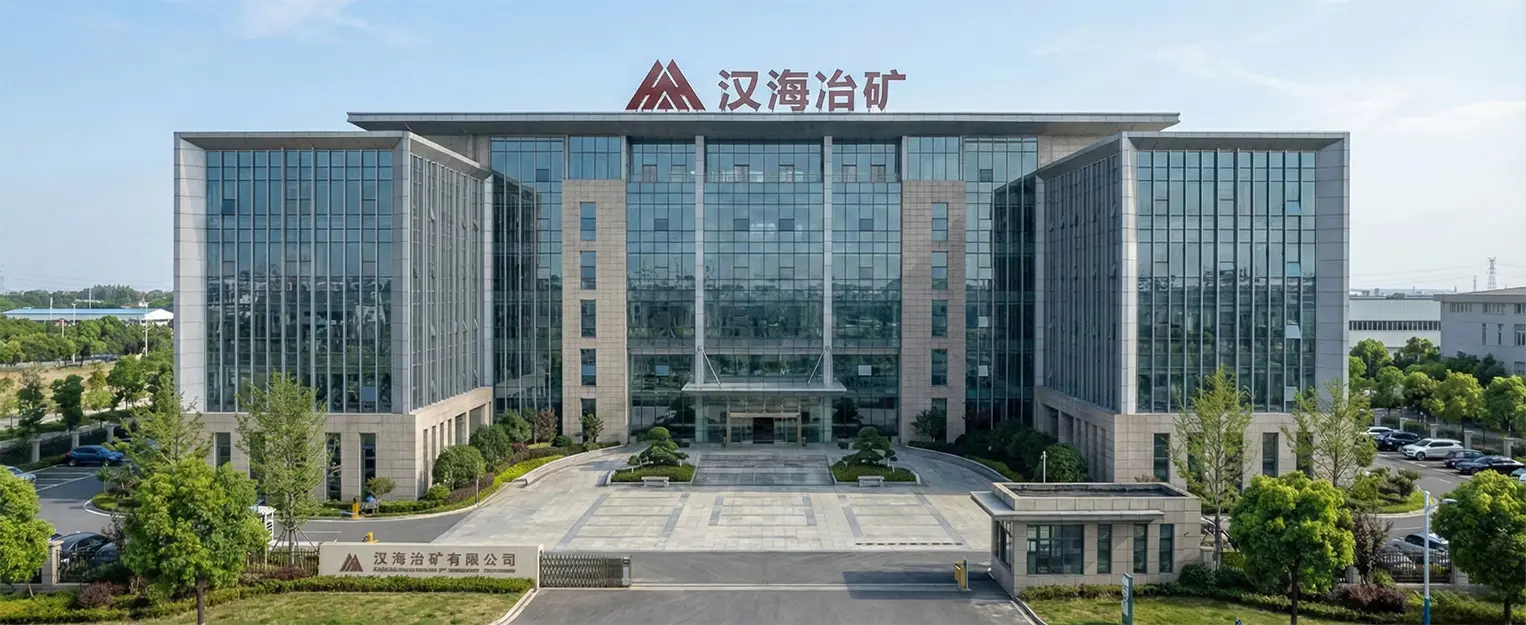
Henan Hanhai Metallurgy Mining International Trade Co., LTD is a leading foundry manufacturer in China, specializing in cast steel and cast iron parts. With advanced production lines and strict quality control, we supply durable castings for mining, metallurgy, power generation, and construction industries worldwide.
Hanhai Casting integrates design, casting, and machining with an annual output of 80,000 tons. Certified with ISO9001 and CE, we deliver precision-engineered castings trusted by clients across Asia, the Middle East, Europe, and South America.
To empower industry with precision casting and sustainable manufacturing excellence.
To be a trusted global foundry brand delivering high-quality steel, iron, and specialized castings.
Hanhai Casting was established with a focus on heavy steel and iron castings, laying a solid technical and production foundation.
Introduced advanced melting and molding technology, expanded production capacity, and served key mining and metallurgy sectors.
Achieved ISO9001 certification, upgraded testing systems, and began exporting high-performance castings to Asia and the Middle East.
Integrated intelligent foundry systems and digital management, driving sustainable manufacturing and global customer partnerships.
We collaborate with major global mining groups, heavy machinery OEMs, and infrastructure engineering companies. Our commitment to strict material testing and traceabilty establishes Hanhai as an essential partner in industrial supply chains.
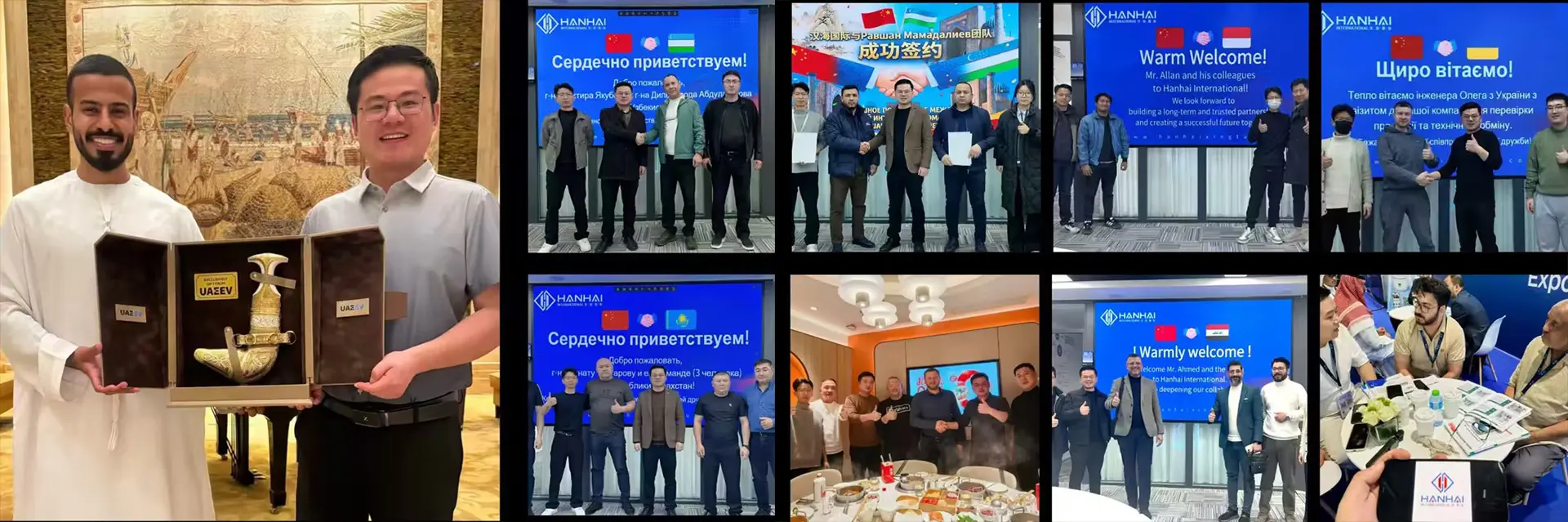
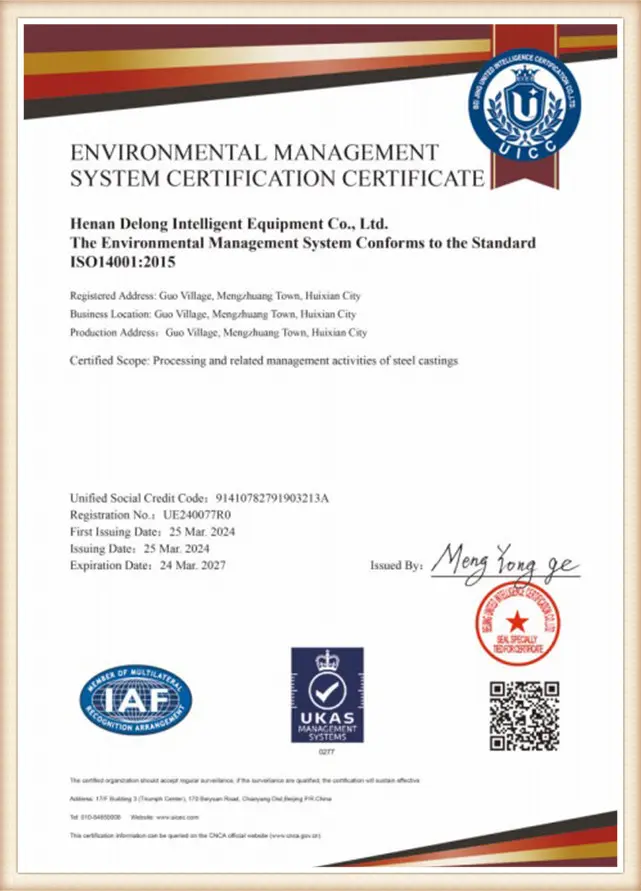
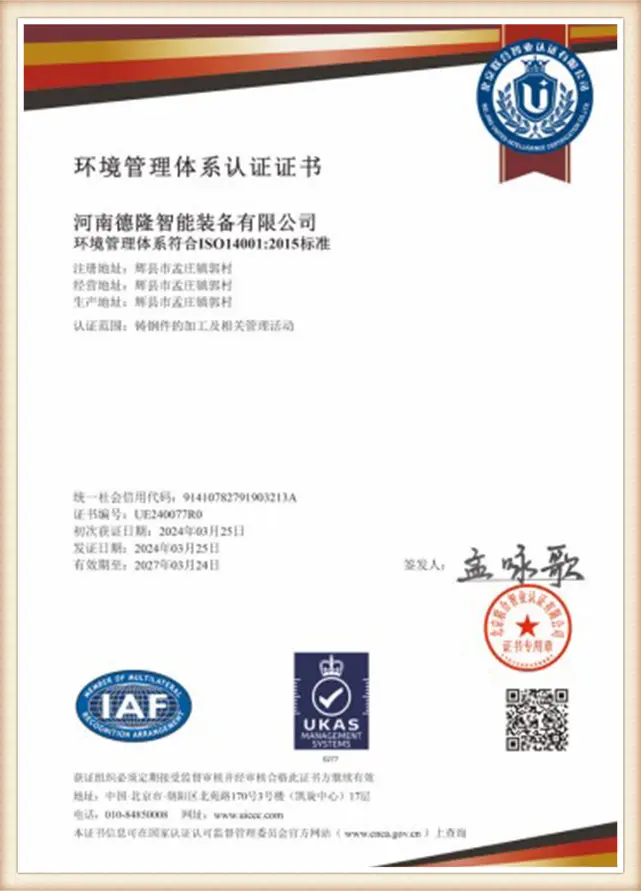
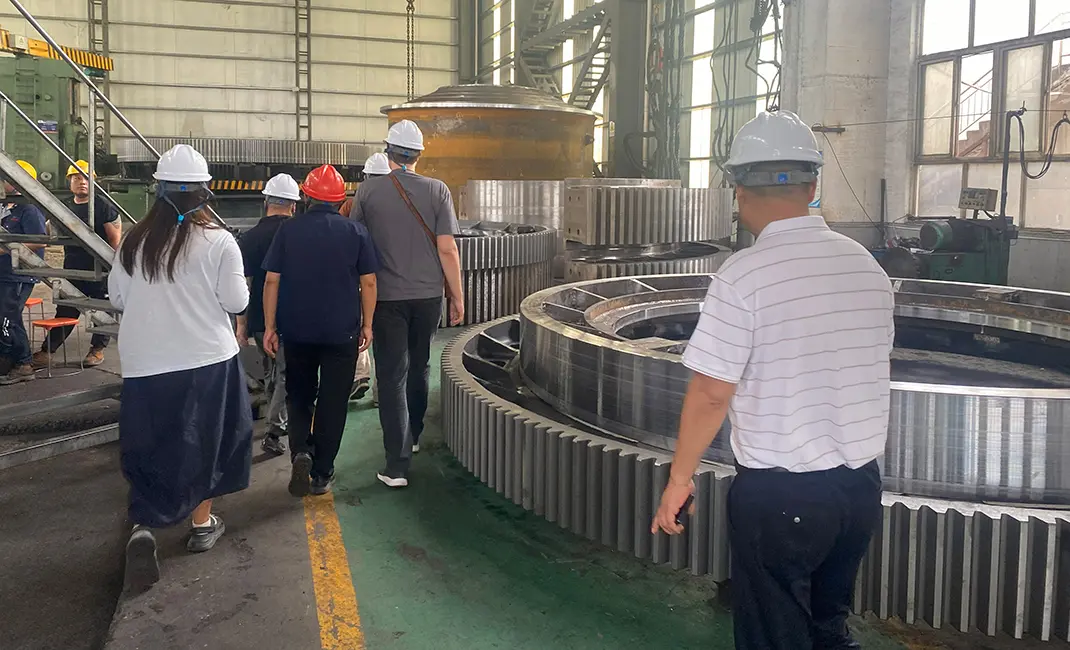
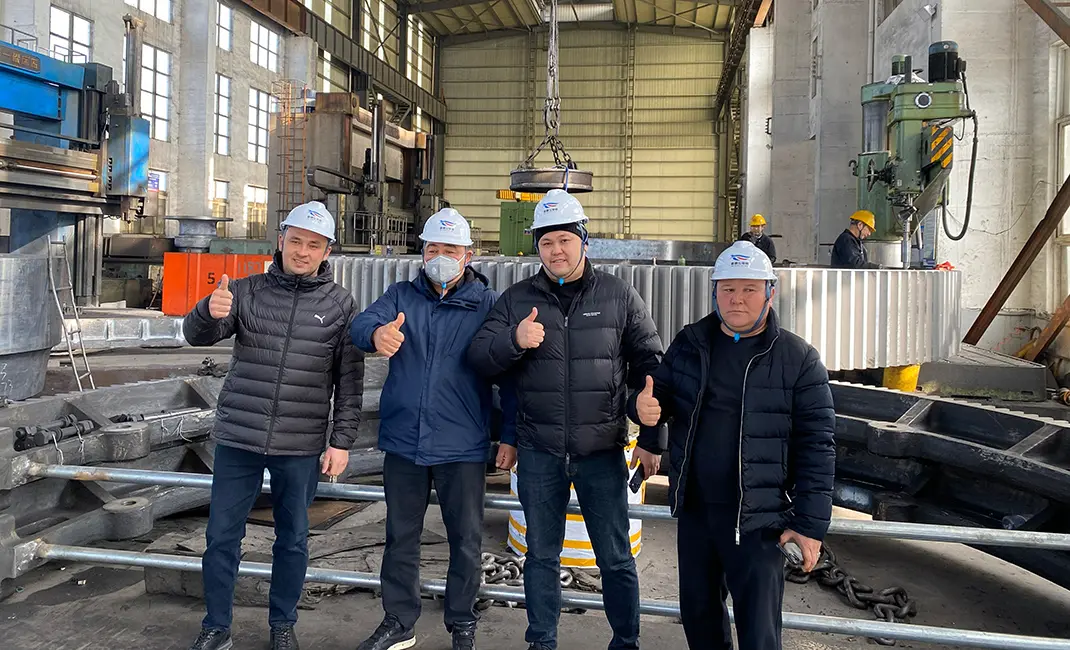
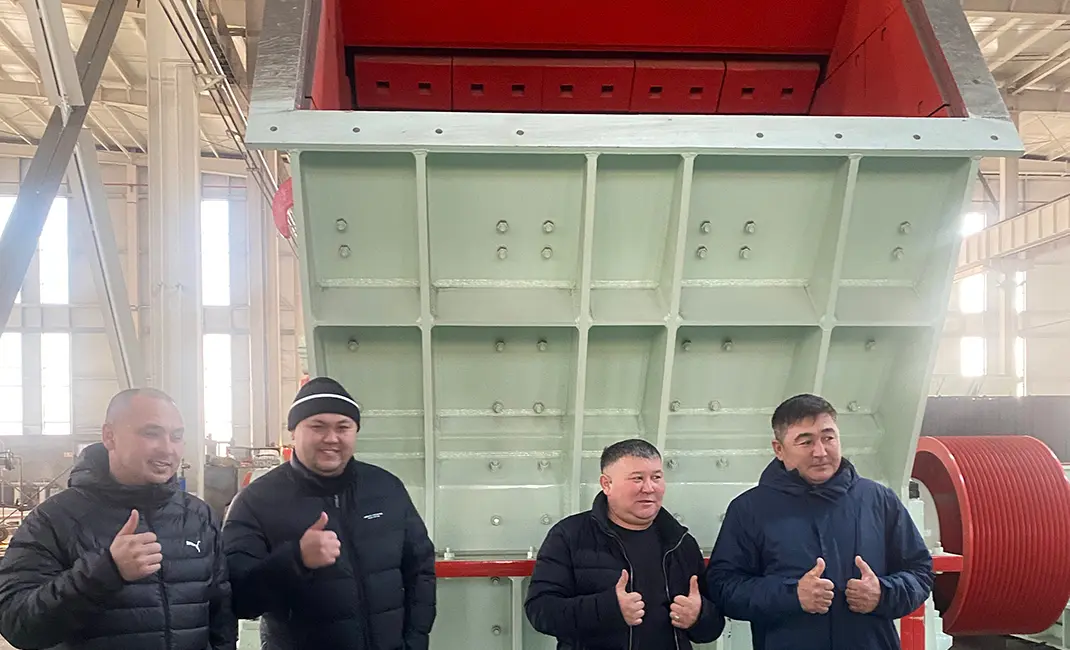
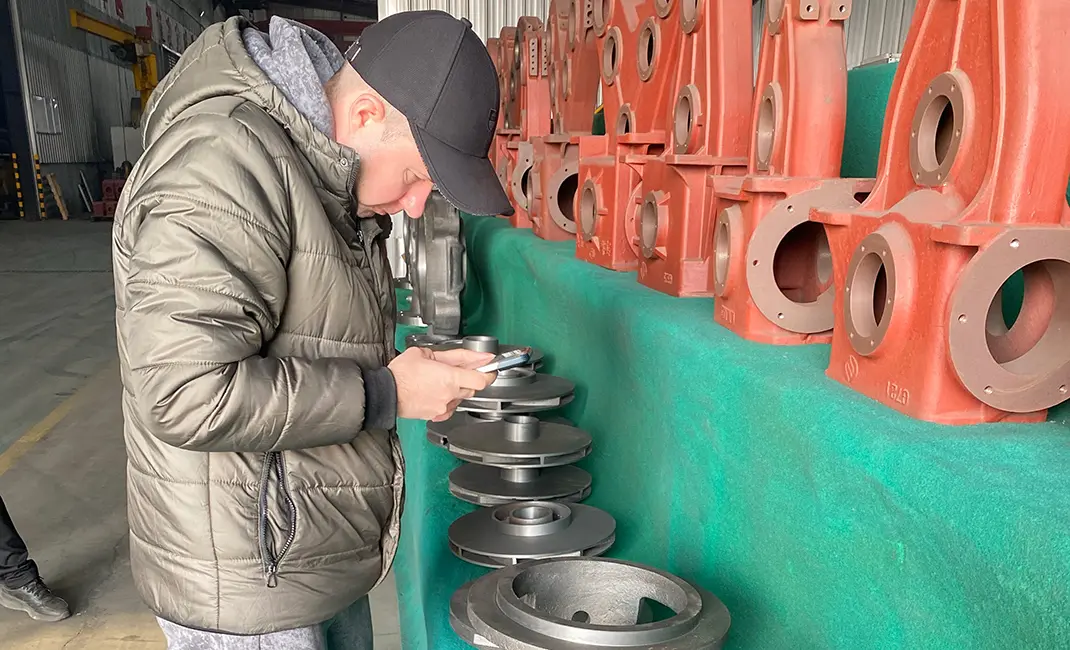
Explore some of our heavy manufacturing and custom casting delivery cases, demonstrating our capacity to pour, heat-treat, and machine critical, high-load assemblies.
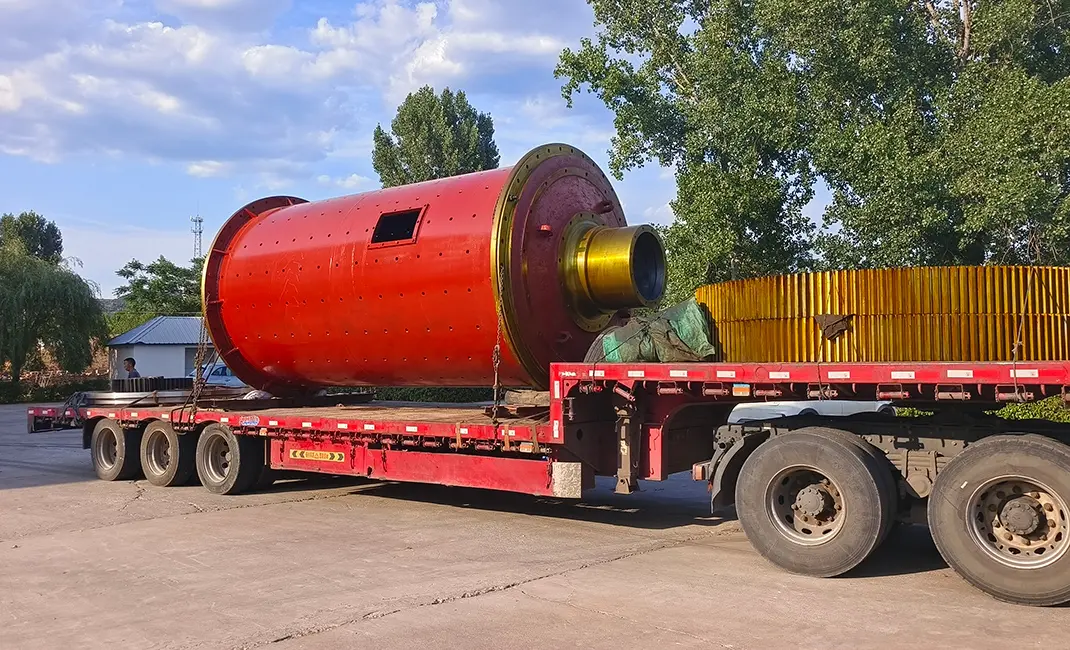
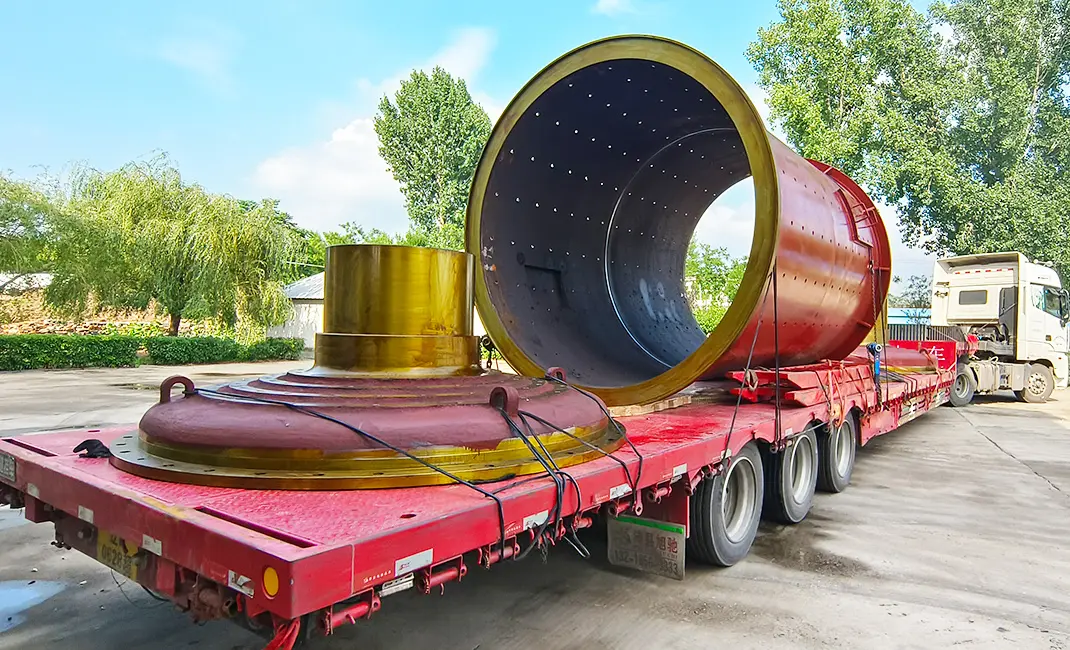
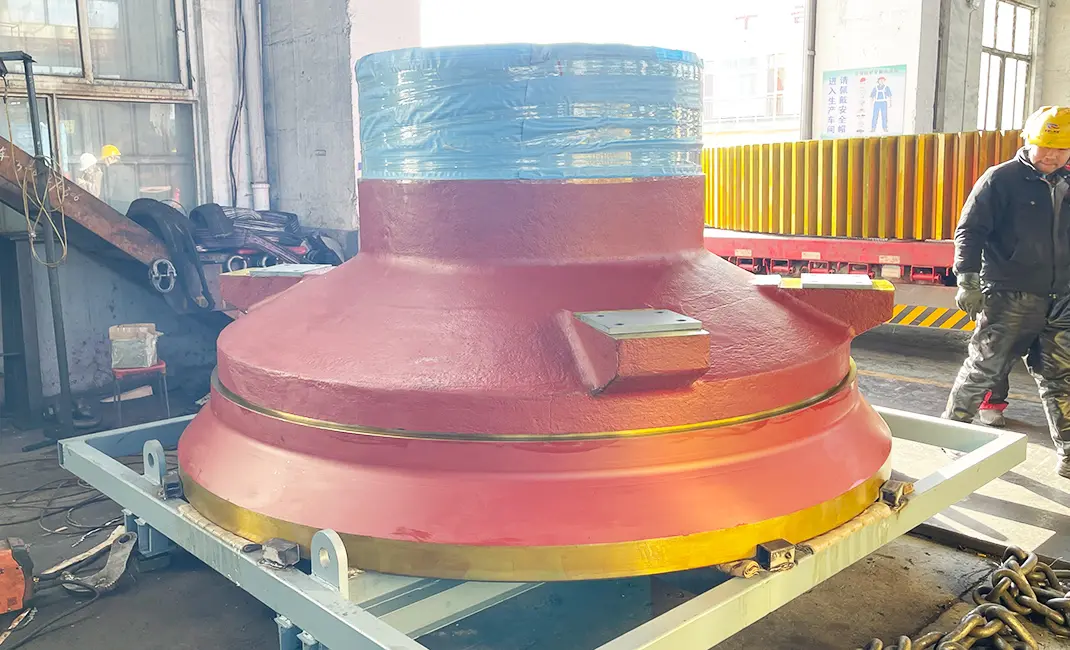
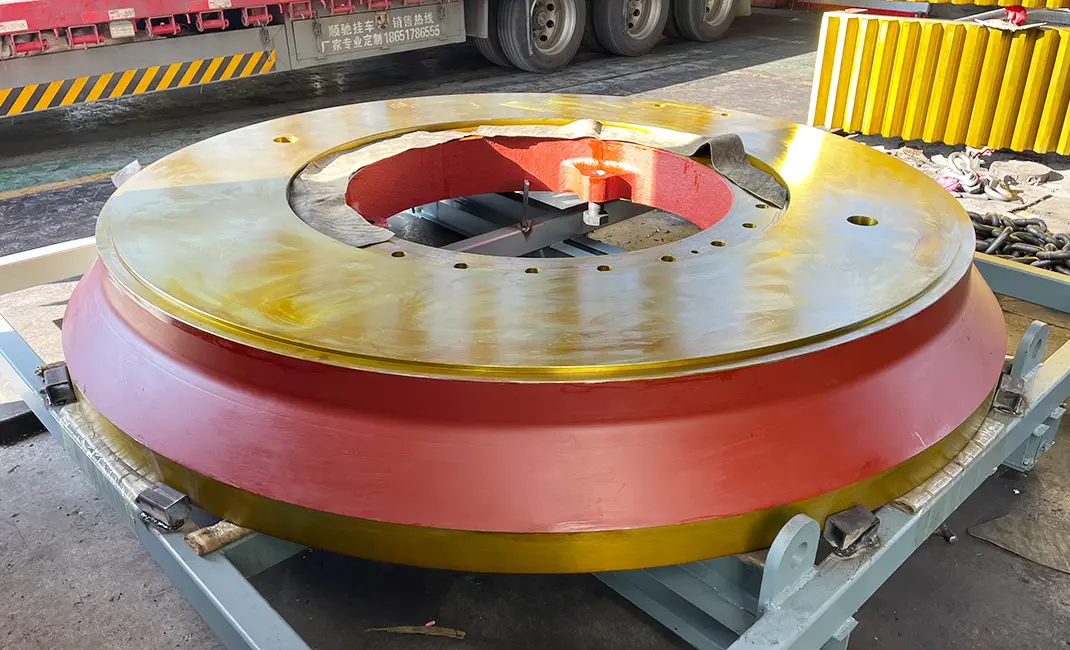
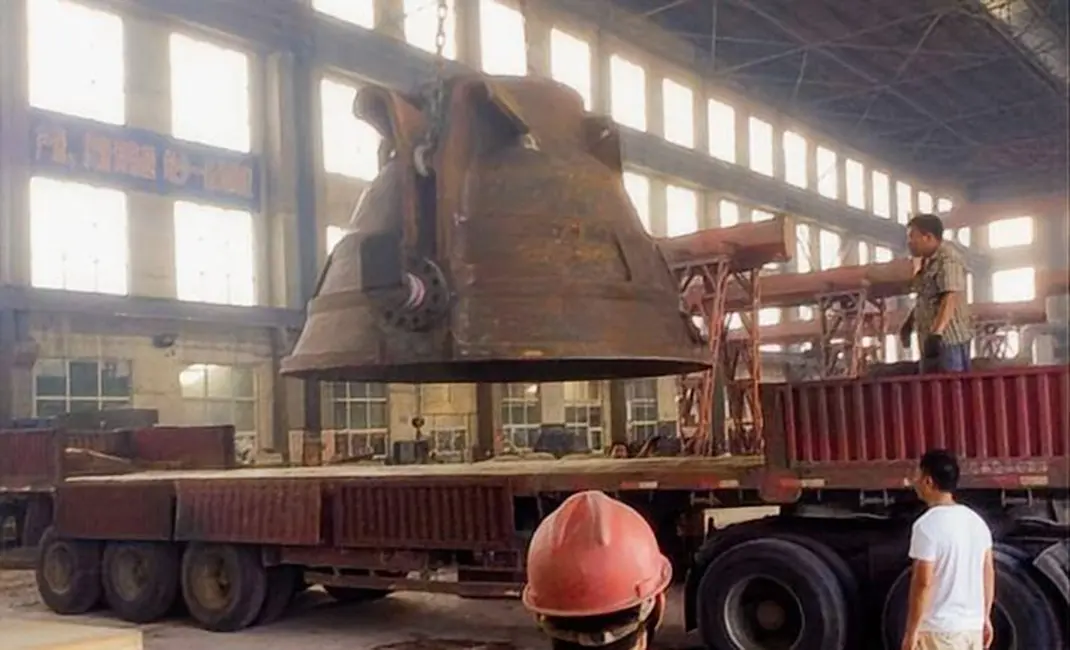
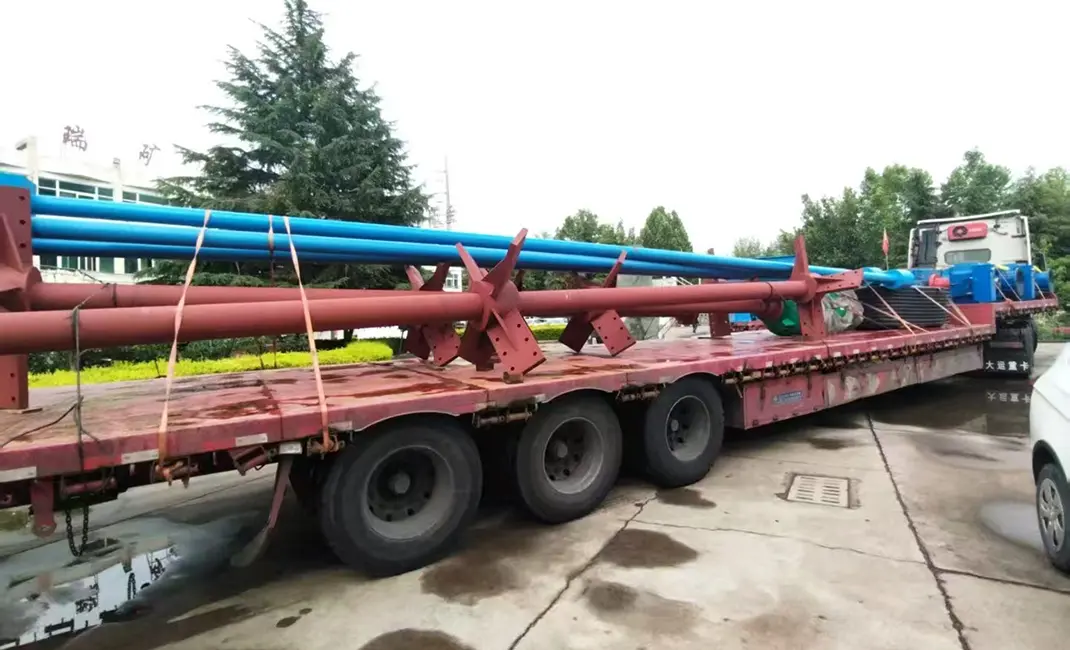
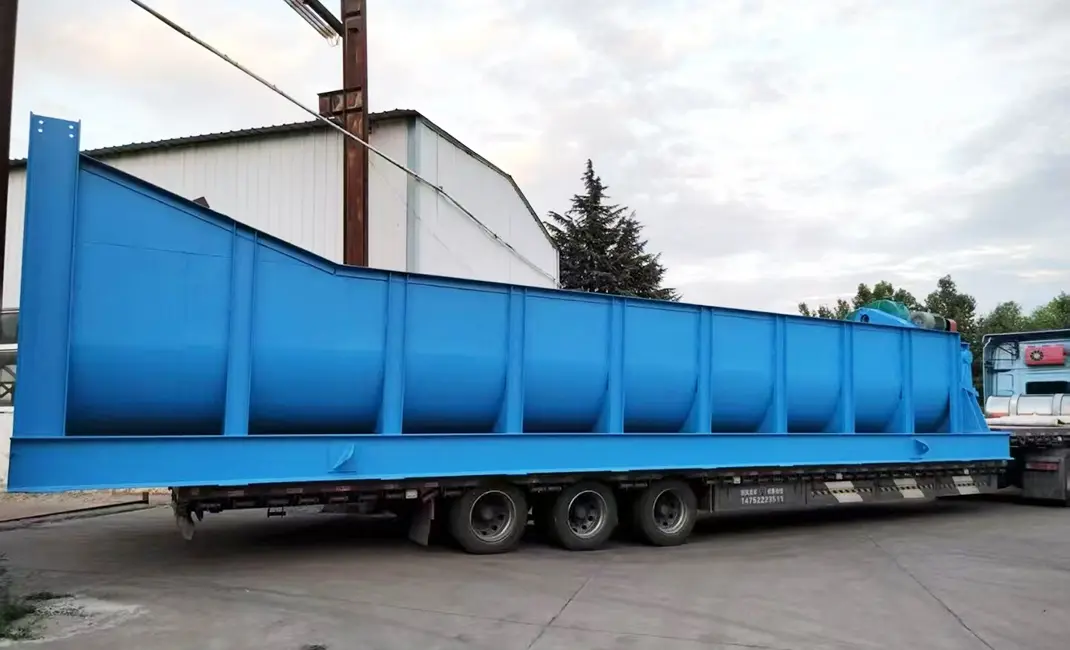
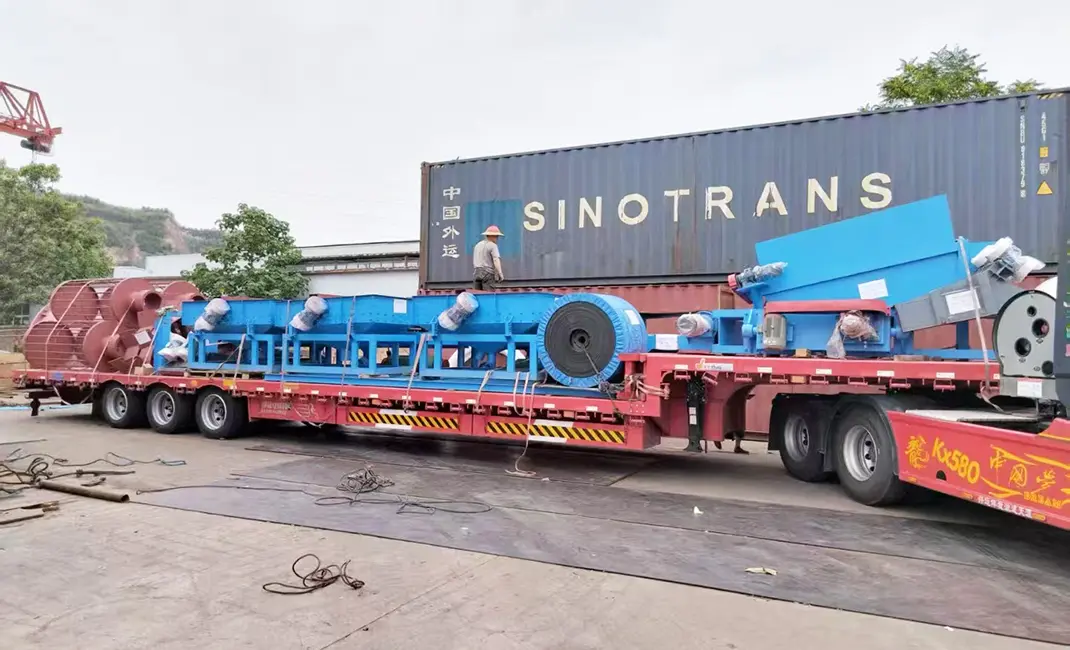
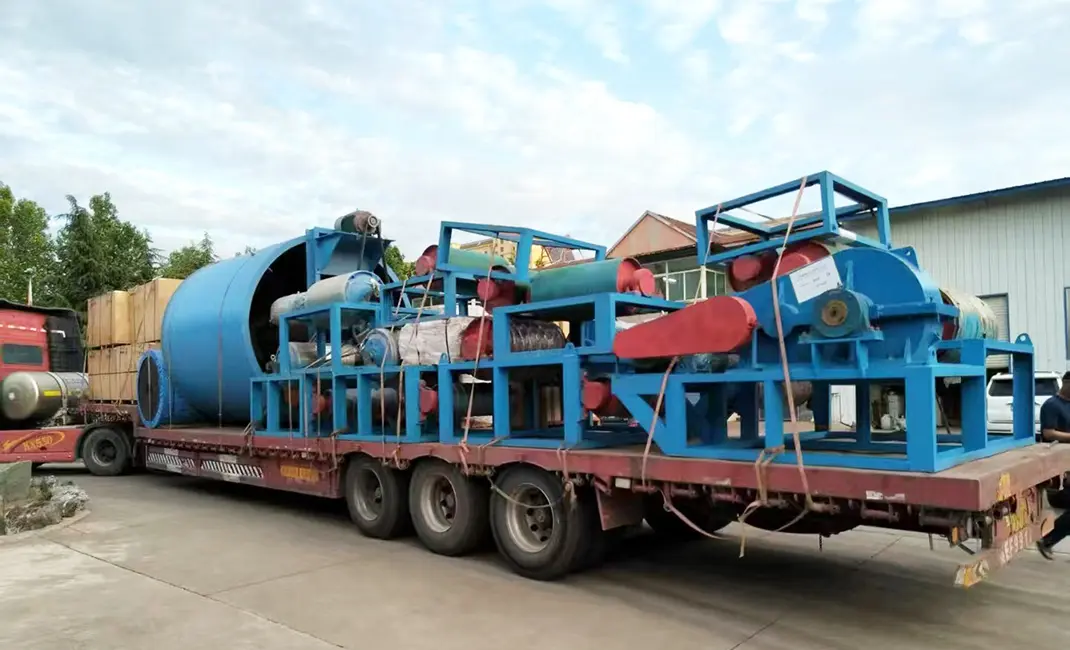
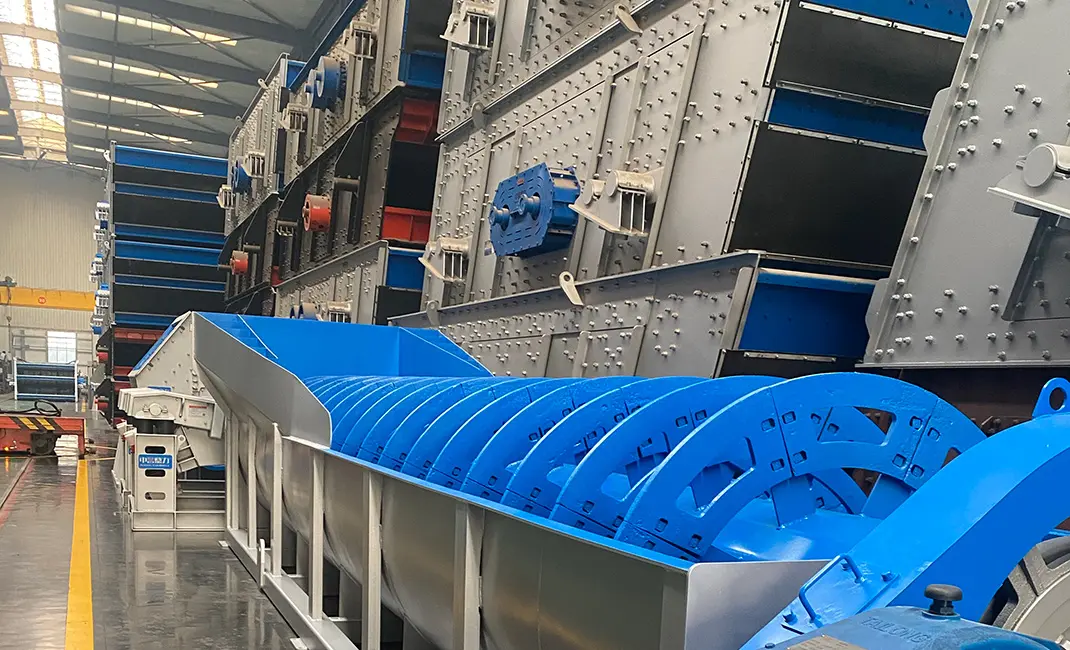
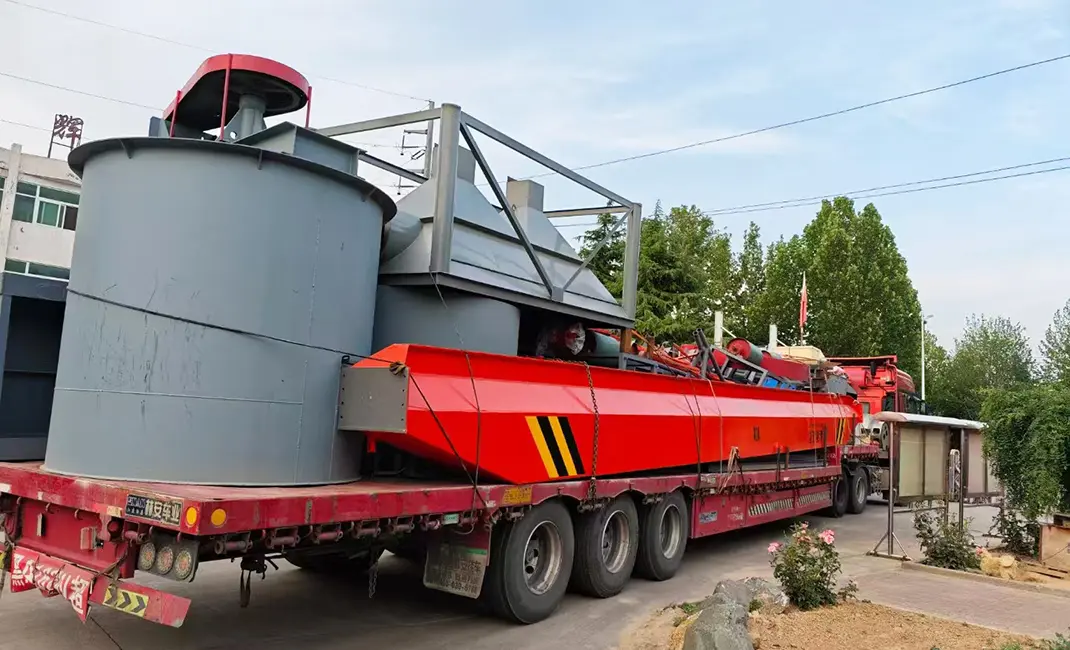
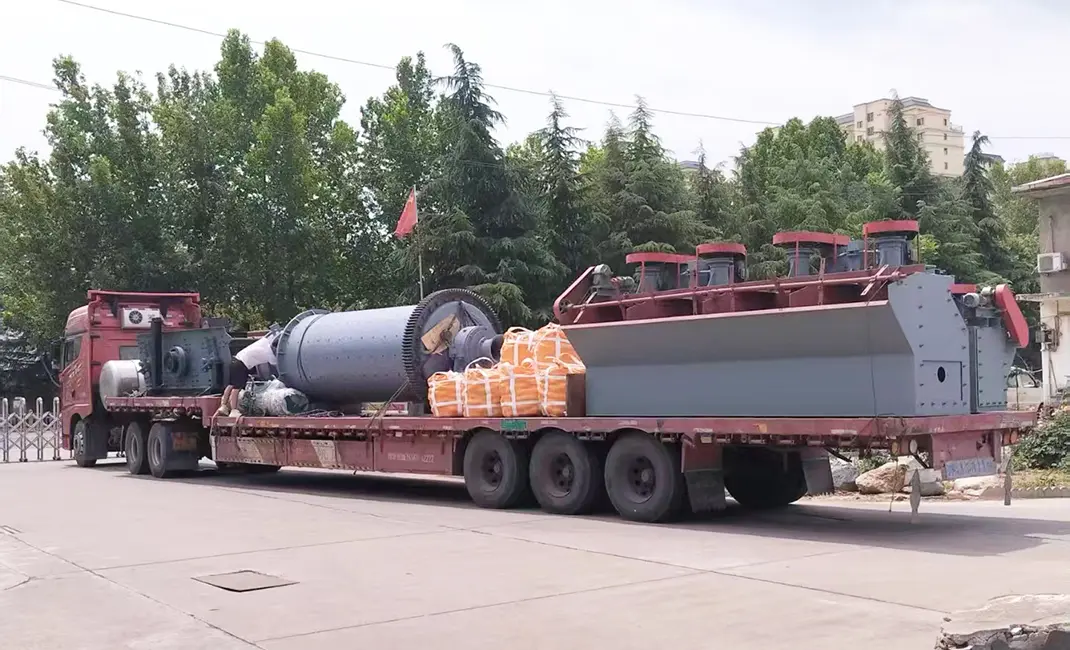
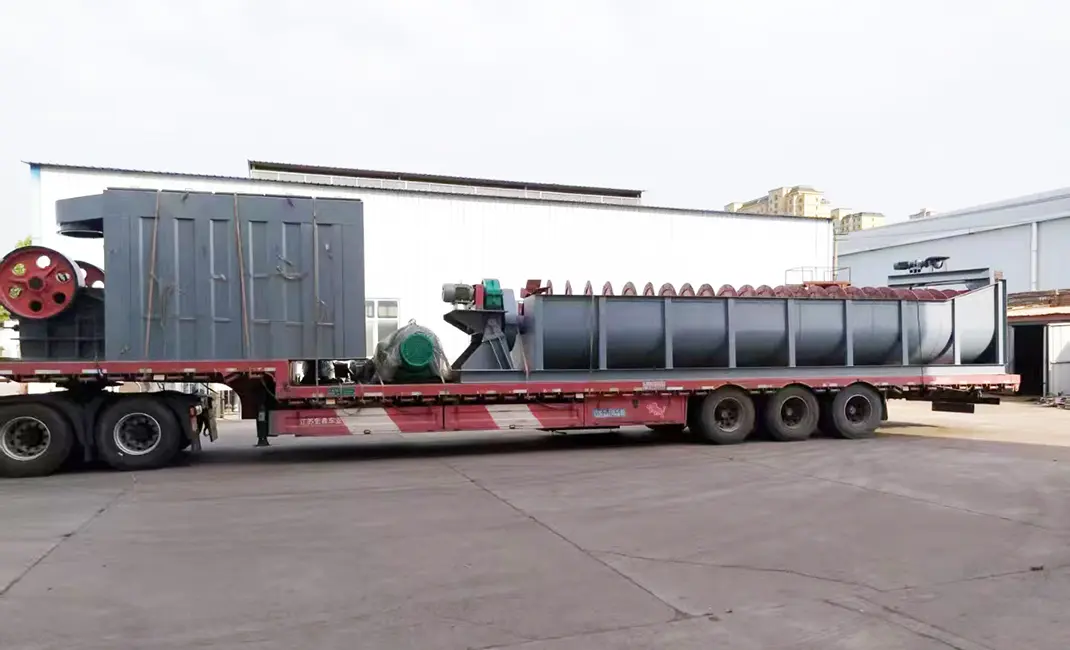

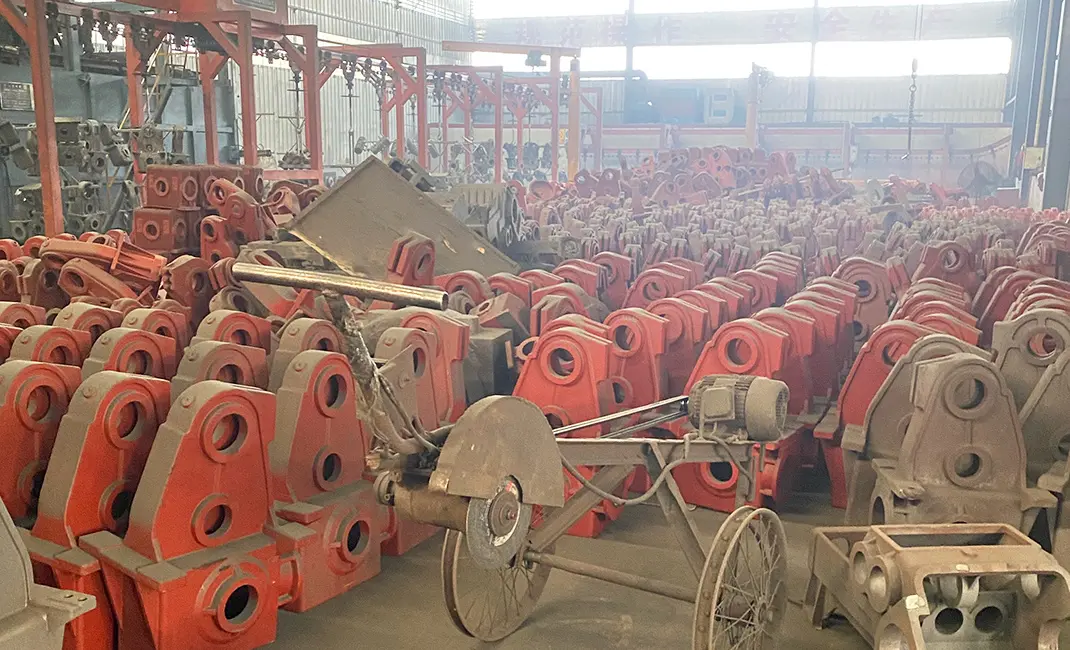
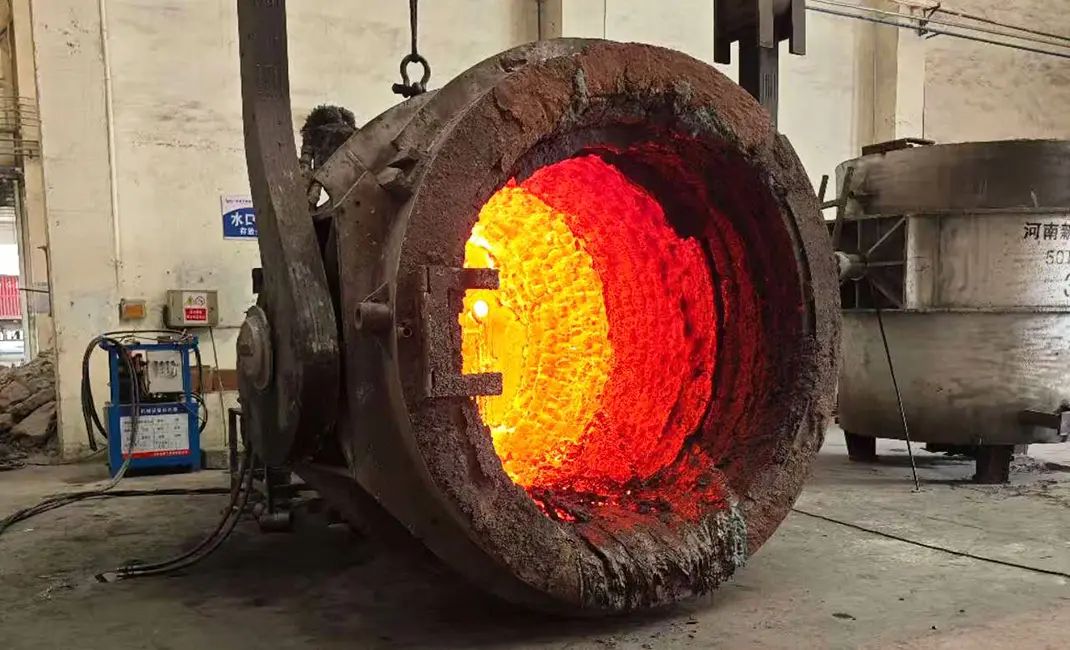
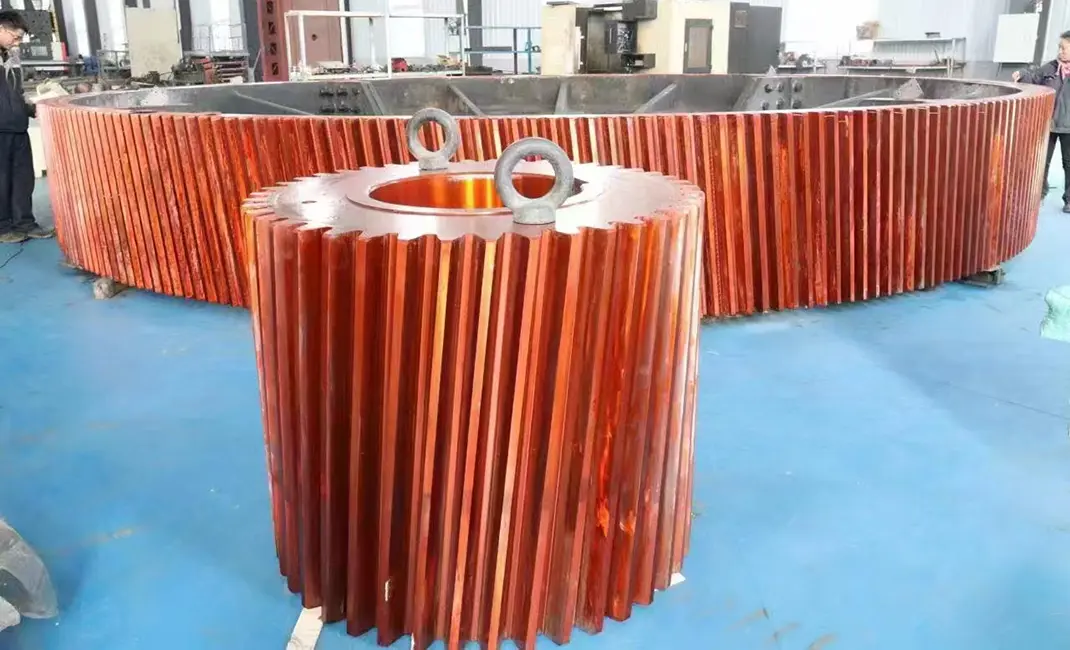
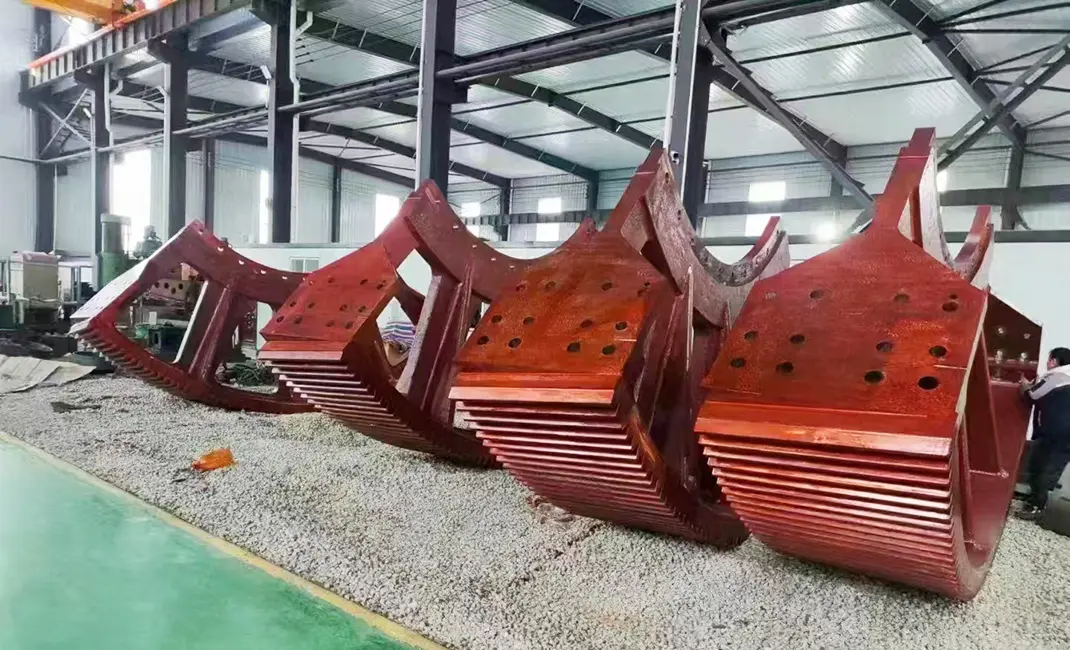
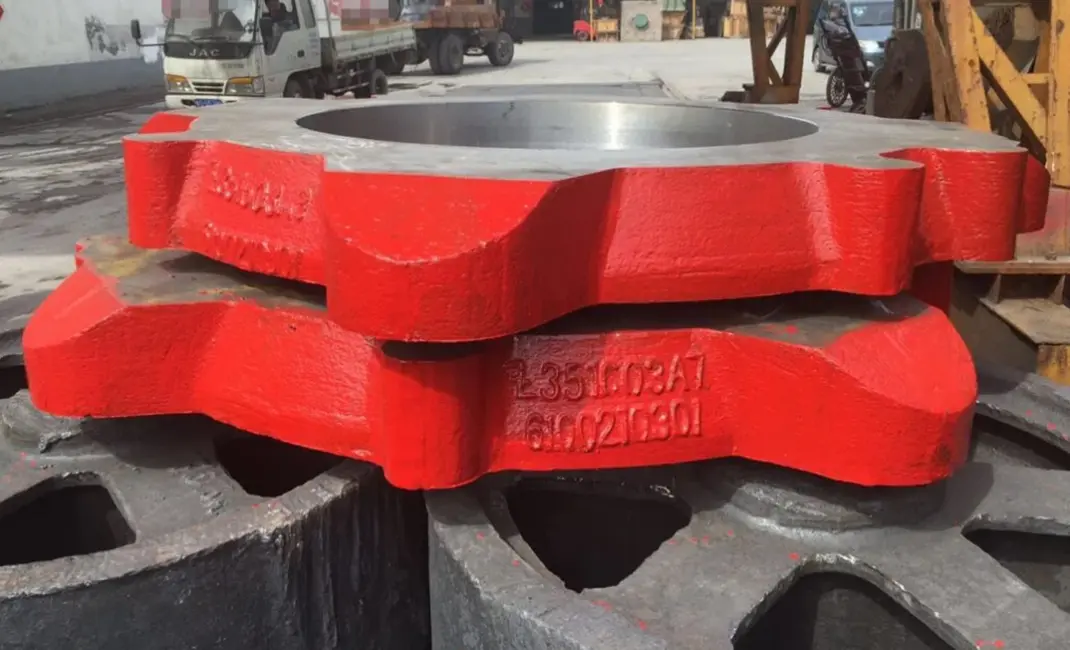
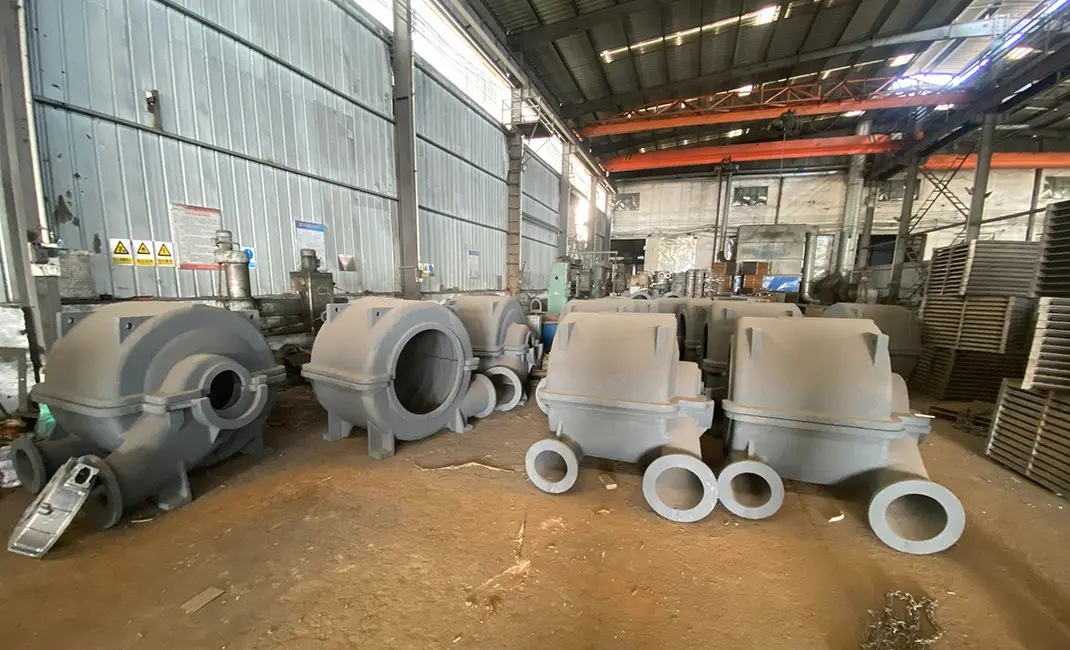
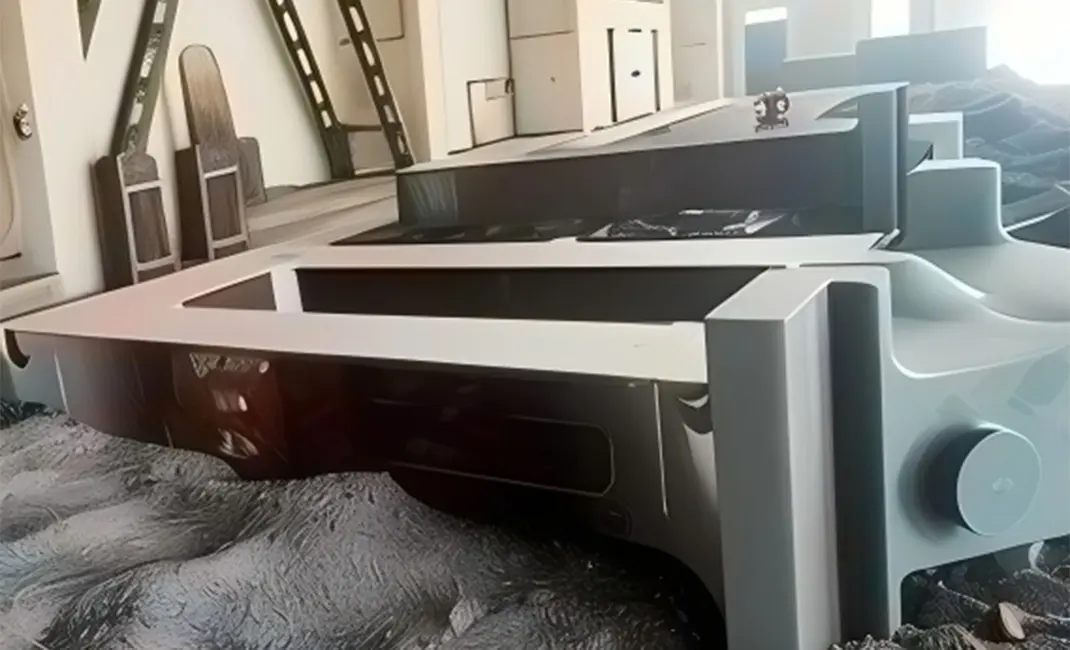
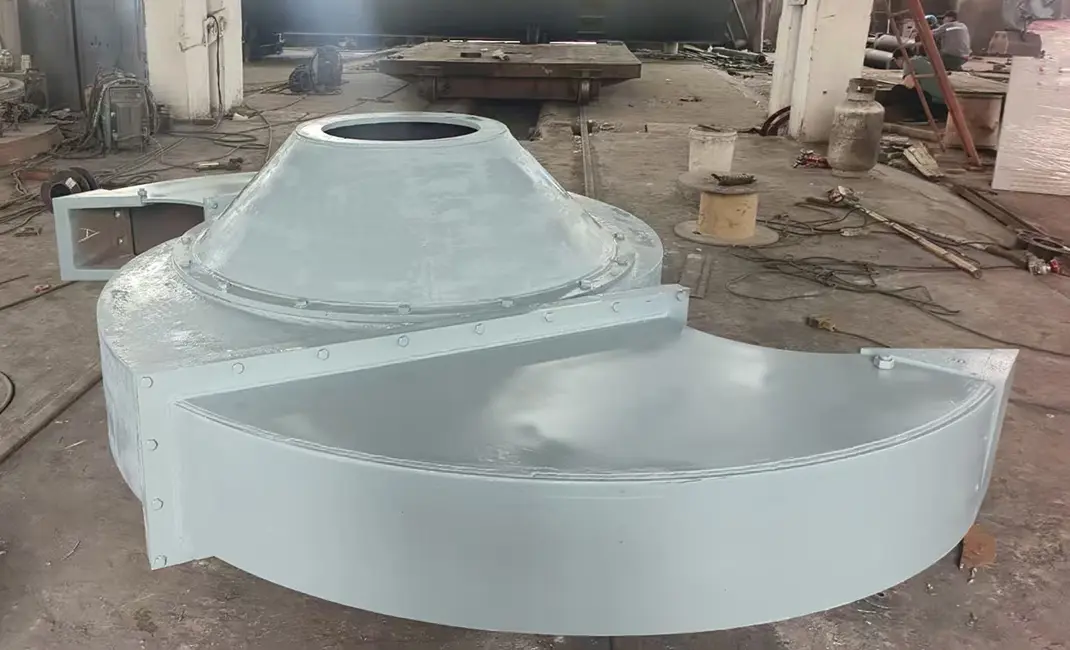
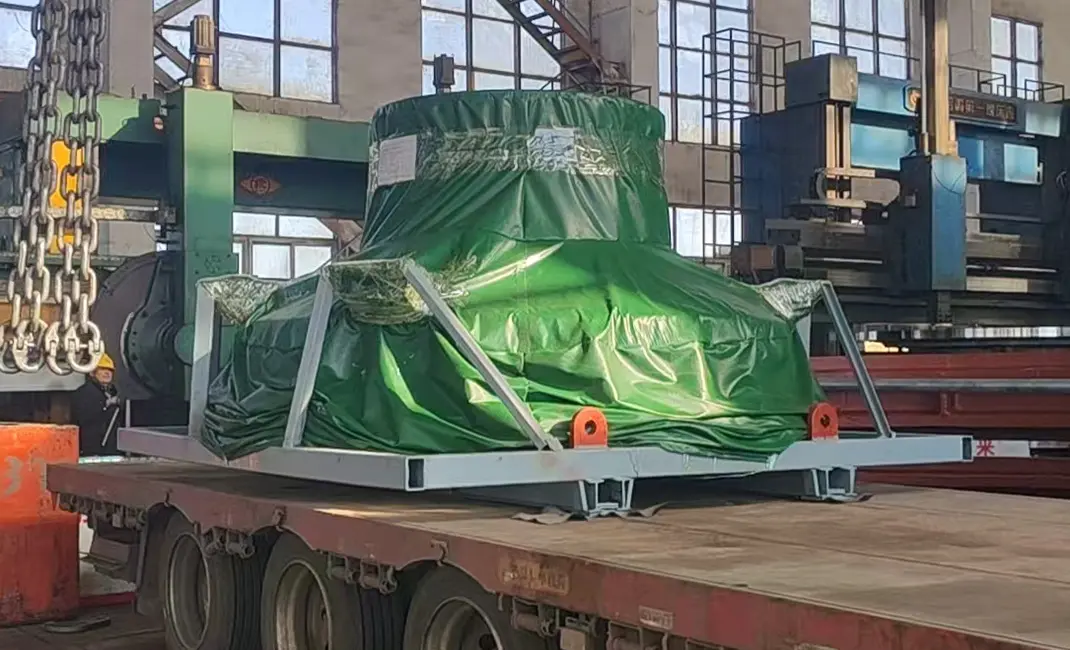
Supplying robust components for critical environments, including mineral extraction and metal processing.
We provide specialized, high-durability castings designed to meet the demands of various industrial sectors:
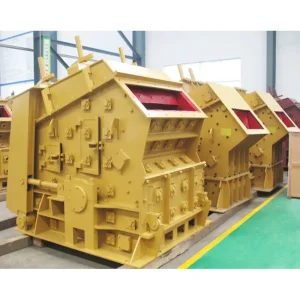
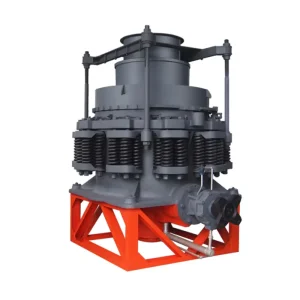
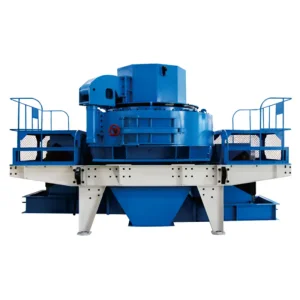
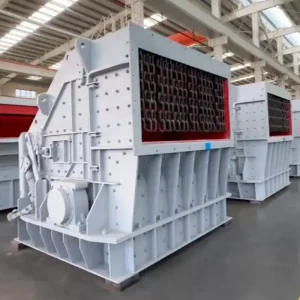
Our engineering catalog covers three primary fields of heavy machinery:
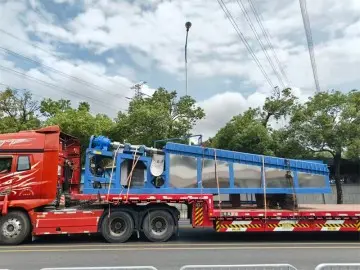
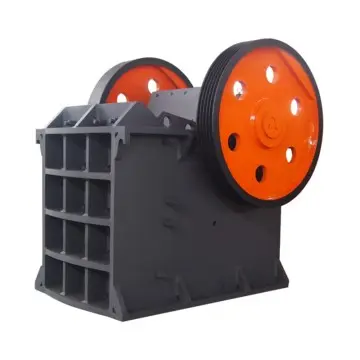
Custom castings and heavy mining parts require close technical alignment and quality control. Our workflow ensures precise material compliance, dimensional accuracy, and reliable delivery, from the initial inquiry to final installation support:
Collection of project requirements, custom drawings (CAD/STEP), and chemical composition requirements.
Solidification simulation and mold designs proposed by our engineering team to reduce potential defects.
Finalization of engineering tolerances, material standards (ASTM, DIN, EN), and commercial agreements.
Carefully managed induction melting, sand molding, pouring, and computerized heat-treatment processes.
Non-destructive testing (UT, MT, PT), chemical spectrum analysis, and dimensional checks before shipping.
Corrosion-preventive packing and shipping in compliance with international transport standards.
Remote or on-site engineering assistance for structural fitment and assembly adjustments.
Delivery of detailed maintenance manuals and operating guides to the client's on-site team.
Fast replacement parts supply and engineering reviews to help extend component wear life.
Addressing metallurgical, quality control, and procurement questions for industrial projects.
Aluminum bronze alloys (such as ASTM B148 C95400 or C95800) offer excellent tensile strength, corrosion resistance, and low wear rates under high loads. These properties make them ideal for high-impact bushings, wear plates, and support sleeves in jaw and cone crushers, where steel-on-steel contact must be prevented.
We combine modern solidification simulation software with strict quality control. Melt batches are checked using optical emission spectrometers before pouring. Once cast, components undergo non-destructive testing (NDT), including ultrasonic (UT), magnetic particle (MT), and liquid penetrant (PT) testing, to verify structural integrity.
Yes. Our foundry matches chemical compositions to international standards like ASTM, DIN, EN, ISO, and JIS. We adjust alloying elements in our electric induction furnaces based on detailed specification requests, ensuring compliance with local requirements.
Lead times depend on design complexity, mold preparation, and post-casting requirements. Simple patterns may take 4 to 6 weeks, while large, highly machined components requiring custom tooling and heat treatment can take 8 to 12 weeks. We provide detailed timeline estimates for each project.
As an experienced exporter, we handle export documentation, customs clearance, and secure packing. Our heavy castings are packed in custom steel crates with anti-rust coatings, ready for long-term ocean shipping and overland transport to mine and plant sites globally.
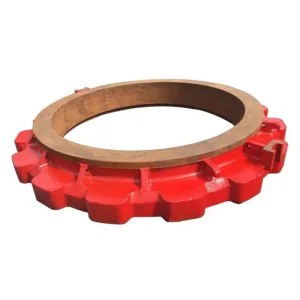
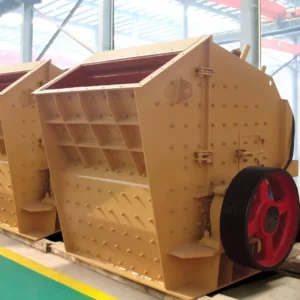
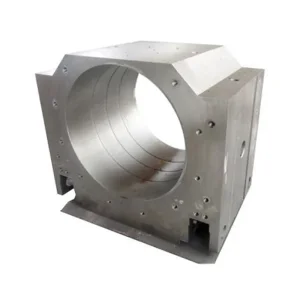
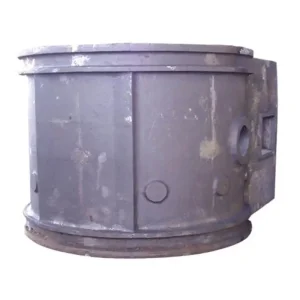
Review our heavy industrial castings, bearing housings, and primary crushing systems ready for worldwide export.
 Hanhai