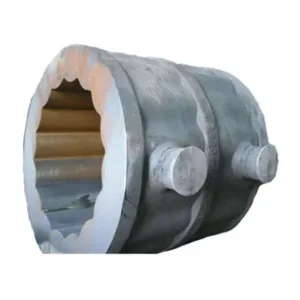
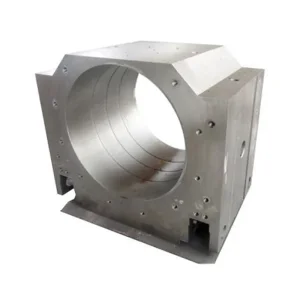
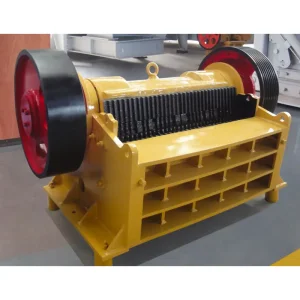
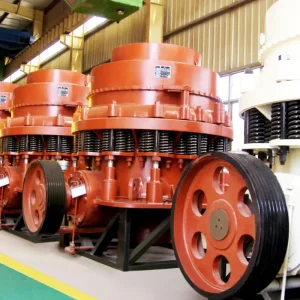
As a global leader in industrial components, the "China Metal Casting Business" has transcended traditional manufacturing boundaries. Today, exporters are not merely suppliers; they are strategic partners in the global industrial value chain. By integrating sophisticated metallurgical science with Industry 4.0 paradigms, Chinese foundries are setting new benchmarks for durability and precision.
Modern Chinese casting facilities have undergone a radical transformation. Through the adoption of Digital Twin technology, IoT-enabled furnace monitoring, and automated robotic casting cells, factories now achieve near-zero defect rates. This shift provides global buyers with unprecedented supply chain resilience, ensuring that high-volume, complex castings are produced with consistent material properties and dimensional accuracy, regardless of external market fluctuations.
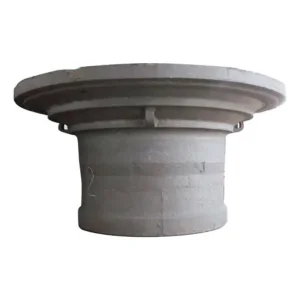
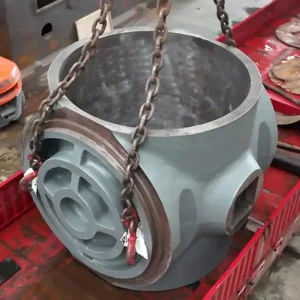
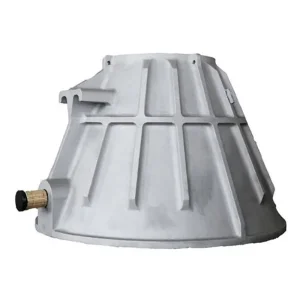
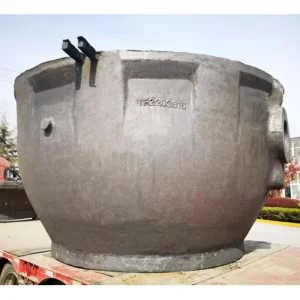
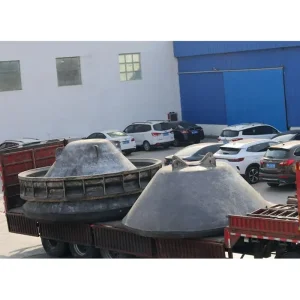
The roadmap for metal casting is increasingly defined by material innovation—specifically, the development of high-entropy alloys and advanced heat-treatment protocols. As we look toward the future, the integration of AI-driven defect detection systems (using X-ray spectral analysis) ensures that every component—from valve bodies to massive crusher mantles—meets stringent international structural integrity standards. This evolution positions China as a critical hub for high-performance metallurgy, driving innovation in mining, energy, and heavy infrastructure sectors.
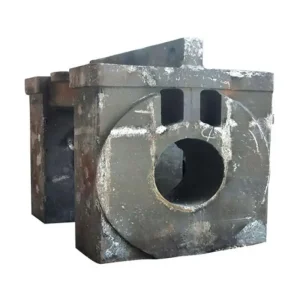
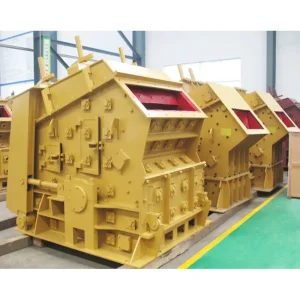
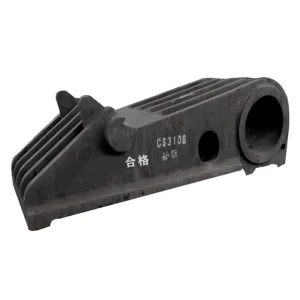
We provide comprehensive solutions across the entire lifecycle of heavy equipment. From initial CAD design and mold flow analysis to metallurgical chemistry matching and final precision machining, our end-to-end service model reduces lead times and minimizes procurement friction for global enterprises. Our expertise spans diverse sectors, including aggregate processing, steel metallurgy, and fluid control systems.
We operate under strict Quality Management Systems (QMS), ensuring that every batch of raw material traceability and heat batch reports are documented for international auditing.
Understanding international trade standards (ASTM, DIN, JIS, ISO) is central to our export model. We facilitate seamless logistics and customs navigation.
Our engineering team bridges the gap between client blueprints and casting physics, optimizing designs for longevity and cost-effectiveness.
Beyond the product, we provide technical consultancy for installation, wear-part life optimization, and preventive maintenance strategies.
Leading Chinese foundries utilize advanced spectrometric analysis for chemical composition and rigorous NDT (Non-Destructive Testing) including ultrasonic and X-ray inspection to ensure compliance with ASTM, DIN, and ISO global standards.
The "China Factory 4.0" model leverages vertical integration—from raw ore processing to finished machining. This creates cost-efficiencies and inventory stability that are difficult to replicate in high-cost labor markets.
Yes. Our engineering department specializes in reverse engineering and new component development based on client CAD files, ensuring perfect fitment and performance optimization.
Lead times vary based on complexity, but through our digitized production scheduling and established logistics partnerships, we maintain industry-leading delivery times for global mining and metallurgy clients.
 Hanhai