Premium industrial casting solutions and crushing components engineered for maximum operational wear resistance and durability.
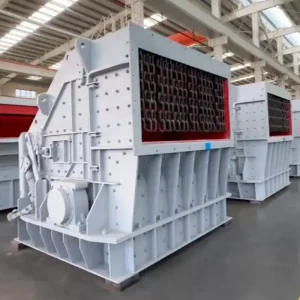
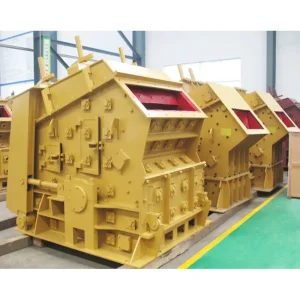
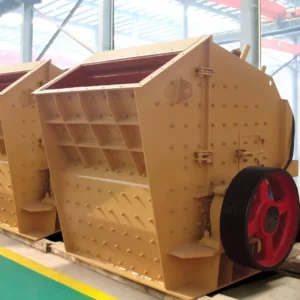
In the global quarrying, mining, and recycling sectors, processing hard and highly abrasive materials demands high-capacity reduction tools. Among these, the impact crusher is prominent. At the operational heart of this machine are the blow bars—high-mass, thick slabs of engineered alloy metal that are fixed to the heavy spinning rotor. Their primary purpose is to strike material (such as granite, limestone, concrete, or asphalt) instantly shattering it along natural fault lines.
As premier Chinese foundry suppliers, Henan Hanhai Metallurgy Mining International Trade Co., LTD produces high-durability alloy parts. We recognize that choosing the right material composition for blow bars is critical to optimizing wear resistance, reducing fracture risk, and maintaining crushing efficiency under variable operational loads.
Blow bar selection requires balancing abrasion resistance with impact toughness. Different material configurations are suited to specific processing environments:
| Alloy Type | Key Elements | Ideal Application Scenario | Toughness vs Wear Resistance |
|---|---|---|---|
| High Manganese Steel (Mn13, Mn18, Mn22) | 13% - 22% Mn, 1.2% C | Highly impact-heavy quarries, large aggregate primary crushing | Highest toughness, work-hardens under extreme impact load |
| High Chrome Iron (Cr15, Cr20, Cr26) | 15% - 28% Cr, Mo, Ni | Secondary crushing of dry, medium-hard to abrasive rocks | High wear resistance, lower shock resistance (prone to fracture under large tramp iron) |
| Martensitic Alloy Steel | Cr-Mo-Ni Low Alloys | Recycling concrete with rebar, variable demolition waste feed | Balanced toughness and wear resistance, handles high shock load without cracking |
| Ceramic Composite (MMC) | High-Chrome / Martensite matrix with ceramic particles | Extremely abrasive sand and gravel, high-silica feeds | Optimized service life, combines steel toughness with ceramic hardness |
Developing effective wear parts requires understanding how these alloys perform under operating conditions. Selecting high-chrome bars for feed containing tramp metal can lead to sudden fractures. Conversely, using manganese for low-impact, highly abrasive sand production can result in rapid wear before the material can properly work-harden. Tailored manufacturing ensures components are configured to meet specific site requirements.
Understanding the technical and logistical advantages of modern Chinese foundry clusters.
Modern Chinese foundries use V-method casting, lost foam casting, and electric arc furnace melting. Integrated heat-treatment facilities ensure uniform grain structure and eliminate residual stress, extending the operating life of the castings.
Products undergo strict testing protocols, including ultrasonic testing (UT), magnetic particle inspection (MPI), spectrographic chemical analysis, and dynamic balancing tests, meeting ISO 9001 and CE standards.
Chinese industrial centers provide ready access to raw alloy materials, high-precision CNC machining shops, and logistics networks, enabling shorter production lead times for custom wear-part designs.
A trusted manufacturing partner with over two decades of experience in heavy castings and metallurgy.
Henan Hanhai Metallurgy Mining International Trade Co., LTD is a leading foundry manufacturer in China, specializing in cast steel and cast iron parts. Utilizing advanced production lines and strict quality control, we supply durable castings for the mining, metallurgy, power generation, and construction industries globally.
Our integrated facilities cover design, casting, and precision machining, yielding an annual capacity of 80,000 tons. Certified with ISO9001 and CE, Hanhai designs and supplies parts trusted by clients in Asia, the Middle East, Europe, and South America.

Hanhai Casting was established with a focus on heavy steel and iron castings, establishing the base for our technical and production processes.
We introduced advanced melting and molding technologies, expanding production capacity to serve critical mining and metallurgy projects.
Achieved ISO9001 certification and upgraded our material testing systems, beginning direct exports of high-performance castings to Asia and the Middle East.
Annual Casting Output
Years of Foundry Experience
Countries Exported To
ISO9001 & CE Quality Checked
Providing engineered answers for challenging work environments worldwide.
Recycling demolition waste containing concrete and structural steel requires blow bars that resist both abrasive wear and high-impact stress. Using martensitic alloy steel blow bars prevents premature cracking from contact with embedded rebar, helping keep recycling plants operational.
Crushing highly abrasive rocks like granite requires high-chrome blow bars or ceramic matrix composites. These materials resist micro-scratching, helping to maintain the original crushing profile of the blow bar and reduce maintenance intervals.
Cement plants process large volumes of raw limestone. Our large-scale cast crusher parts and blow bars are designed to handle consistent feed rates, supporting continuous plant operations and reducing maintenance down-time.
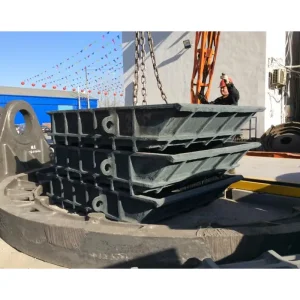
We supply complete casting sets, including blow bars, impact plates, side liners, and rotor protection parts. This integrated approach ensures even wear across all internal crusher components, reducing maintenance downtime and optimizing overall production efficiency.
Our structured methodology ensures quality control, commercial alignment, and post-delivery support.

We collect detailed site conditions, raw feed analysis, crusher models, and mechanical specifications to understand your project needs.
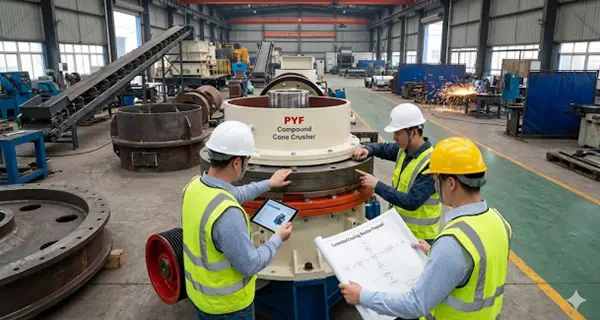
Our engineering team proposes custom alloy compositions and geometries designed to optimize wear resistance for your specific application.
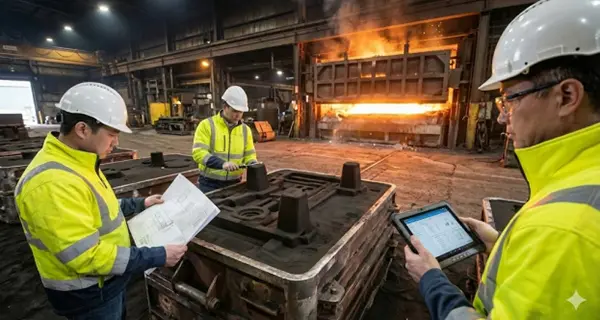
We finalize material specifications, dimensional drawings, tolerances, and commercial terms to ensure alignment before production begins.
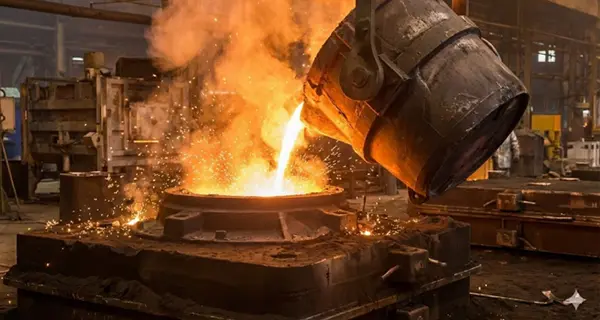
Production is carried out in our ISO-certified foundry under monitored heating and cooling parameters to ensure consistent casting quality.

Castings undergo non-destructive testing, including ultrasonic and magnetic particle examinations, to verify internal structural integrity.
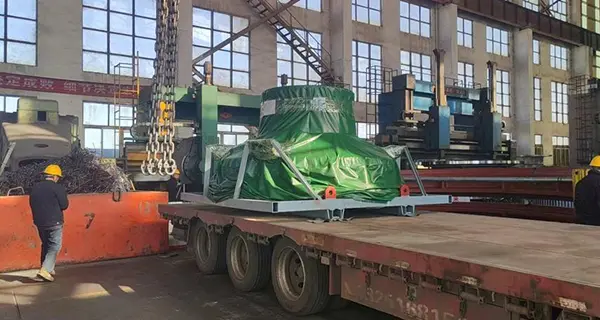
Components are secured with heavy-duty packaging and prepared for export and shipping, ensuring safe transit to your facility.
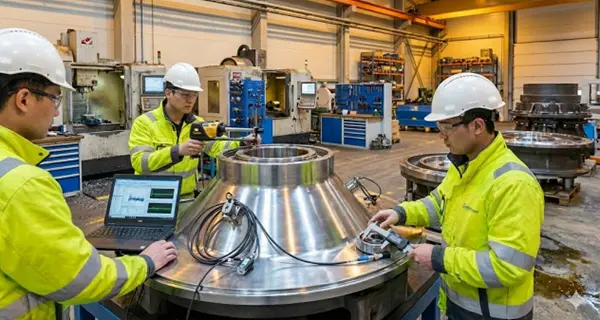
We provide technical documentation and support to assist with the installation and configuration of your new components.

We work with your maintenance team to establish standard inspection schedules and operating protocols for the new parts.
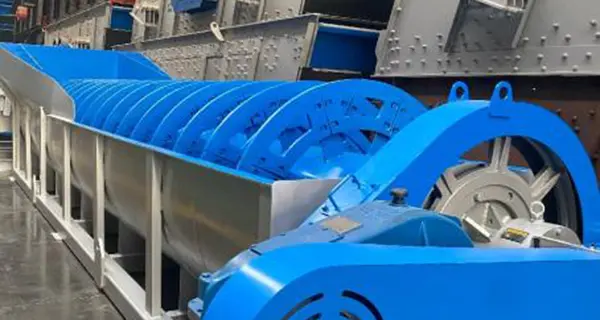
We monitor component wear patterns and maintain safety stock inventory to support your ongoing replacement schedule.
Expert metallurgical advice to help optimize your crushing operations.
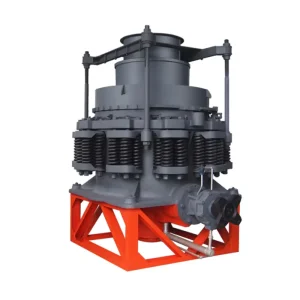
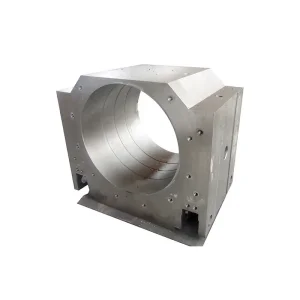
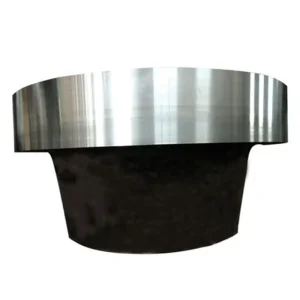
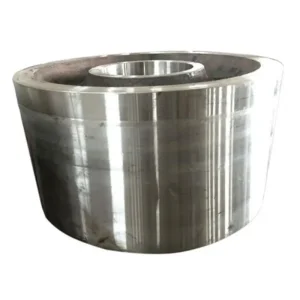
Browse our selection of specialized industrial castings and processing equipment.
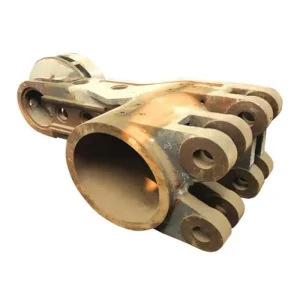
 Hanhai