Precision-engineered components and primary crushing assemblies certified to global durability benchmarks.
The industrial landscape of comminution requires continuous evolutionary adaptations to balance raw output tonnage against component lifecycle decay. The Double Rotor Hammer Crusher represents a major technological leap beyond conventional single-rotor impactors and jaw crushers. By positioning two counter-rotating or co-rotating shafts in parallel alignment within a single reinforced crushing chamber, this mechanical layout addresses the primary bottlenecks of traditional industrial mills: materials clumping, limited crushing ratios, and high energy usage.
At the center of this mechanism is the kinematics of synchronized dual rotors. As feedstocks enter the primary feed throat, they face a double-impact field. The first rotor intercepts the falling run-of-mine (ROM) materials, breaking down larger rock structures. The partially crushed pieces are then instantly projected into the path of the second high-velocity rotor, which is spinning in the opposite direction. This causes intense inter-particle collisions and high-energy secondary impacts.
Unlike single-rotor units that rely heavily on a bottom discharge grate (screen) to determine final particle sizing—which often causes clogging when moisture exceeds 8%—double rotor systems utilize a screenless, gravity-assisted discharge system. Sizing is regulated by adjusting the gap between the two rotor circles and the impact plates. This makes it possible to crush highly sticky, clay-rich limestone, mineral slag, and wet coal with up to 15% to 20% moisture levels without experiencing production shutdowns.
By removing discharge screen plates, materials flow unimpeded through the lower chamber. This reduces wear on the hammer heads, saves energy by avoiding over-crushing, and prevents fine materials from building up. This engineering approach makes the double rotor hammer crusher highly effective in cement clinker plants, limestone quarries, and power plant coal processing lines, where material quality can vary significantly.
| Engineering Attribute | Traditional Single Rotor Impactor | Double Rotor Hammer Crusher (CE Design) | Performance Benefit |
|---|---|---|---|
| Maximum Moisture Tolerance | < 8% (capping and screening failures) | Up to 15% - 20% (wet material handling) | Eliminates raw material drying requirements |
| Crushing Ratio | 10:1 to 15:1 | Exceeds 30:1 to 40:1 | Enables single-stage primary/secondary operation |
| Discharge Configuration | Bottom screen / grate plate dependent | Screenless gravity-flow design | Prevents internal clogging; reduces frictional heat |
| Hammer Wear Pattern | Asymmetrical, localized impact loading | Dynamic cross-impact distribution | Extends wear life of high-manganese parts by 35% |
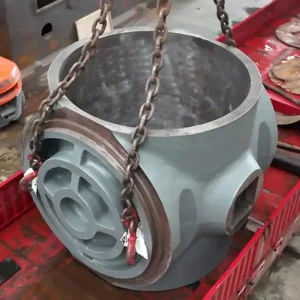
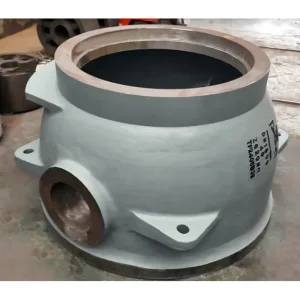
For heavy industrial equipment, casting quality determines overall durability. Henan Hanhai Metallurgy Mining International Trade Co., LTD leverages its modern foundry capabilities to manufacture high-strength alloy steel castings and wear-resistant materials. The massive mechanical forces generated within a double rotor chamber require high structural stability. The main casing, bearing seats, and internal rotors must withstand constant vibration and heavy impacts.
The hammers are the most critical wear component. Hanhai uses advanced alloy formulations like high-manganese steel (Mn13Cr2, Mn18Cr2, up to Mn22Cr2) and bimetallic composites. In bimetallic castings, the working head is cast from high-chromium cast iron (HRC 58-62) to resist abrasive wear, while the hammer shank is made from high-strength alloy structural steel to absorb heavy impact loads without cracking.
Rotor shafts are forged from high-grade alloy steel (such as 42CrMo), undergoing vacuum degassing and precision quenching. This eliminates internal micro-voids, ensuring long-term fatigue resistance during high-speed rotation.
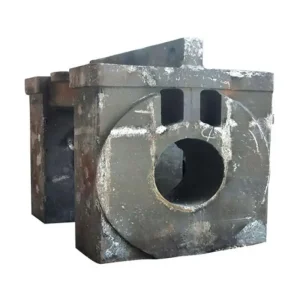
Bearing housings are cast from heavy-duty structural steel to prevent deformation and heat buildup, helping maintain proper bearing alignment under high dynamic forces.
Chamber walls are protected by bolt-on liners cast from high-strength chromium-molybdenum alloy steels. These liners are engineered for easy replacement and provide excellent resistance to continuous abrasive wear.
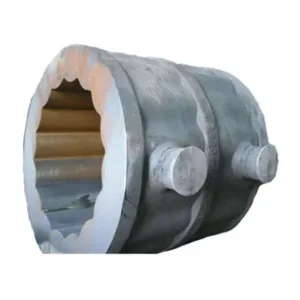
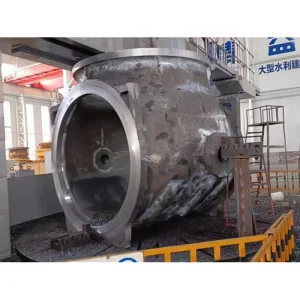
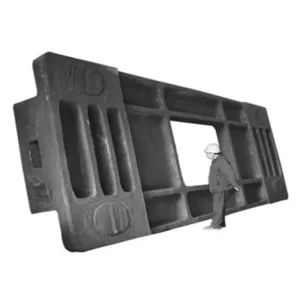
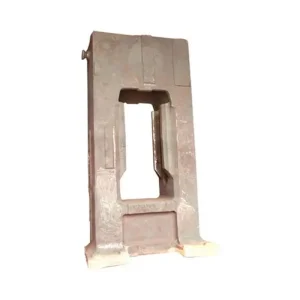
Hanhai’s foundry applies rigorous Quality Assurance (QA) protocols, including Non-Destructive Testing (NDT) methods like Ultrasonic Testing (UT), Magnetic Particle Inspection (MPI), and Radiographic Testing (RT). These testing procedures ensure that key cast elements, such as support sleeves, main valve bodies, and large frame castings, are free from internal shrinkage, porosity, and gas inclusions, meeting global industrial standards.
As a leading foundry manufacturer in China, we specialize in high-durability cast steel and cast iron parts. With advanced production lines and strict quality control, we supply durable castings for the mining, metallurgy, power generation, and construction industries worldwide.
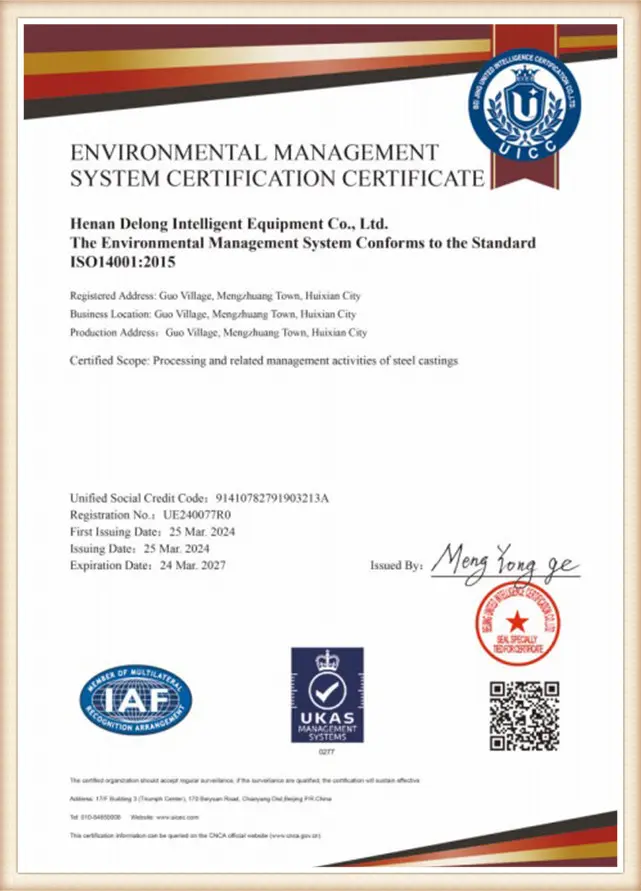
By integrating design, casting, and machining, Hanhai achieves an annual output of 80,000 tons. Certified with ISO9001 and CE, our precision-engineered castings are trusted by clients across Asia, the Middle East, Europe, and South America.

Over two decades of innovation, metallurgical breakthroughs, and international growth.
Hanhai Casting was established, focusing on heavy steel and iron castings, laying a solid technical and production foundation.
Introduced advanced melting and molding technologies, expanded production capacity, and began serving key mining and metallurgical sectors.
Achieved ISO9001 certification, upgraded non-destructive testing systems, and expanded the export of high-performance castings to Asia and the Middle East.
Integrated intelligent foundry systems and digital management, driving sustainable manufacturing and global customer partnerships.
CE certification is a key requirement for importing machinery into the European Economic Area (EEA) and other global markets. For heavy industrial equipment like double rotor hammer crushers, CE compliance involves a thorough review of mechanical safety, electrical integration, and operational protection systems.
Machinery safety is guided by the EU Machinery Directive 2006/42/EC. Under this framework, heavy equipment must pass rigorous risk assessments, structural stress calculations, and protective hazard shielding audits. Key CE compliance requirements include:
Hanhai’s foundry processes and machinery designs align with these safety standards. This ensures that every double rotor crusher from our factories is ready for smooth commissioning and safe operation in demanding international projects.
Custom metallurgical and casting workflows tailored for global heavy industries.
Used in mining, metallurgy, infrastructure, and recycling to crush rock, ore, aggregates, slag, and industrial materials.
Applied in cement kilns, mills, and crushers, providing wear-resistant solutions for large-scale production plants.
High-load castings designed for hydraulic presses, heavy metallurgy, and large-tonnage metal forming systems.
High-integrity valve bodies, pump housings, and manifolds for fluid control systems in heavy industrial machinery.
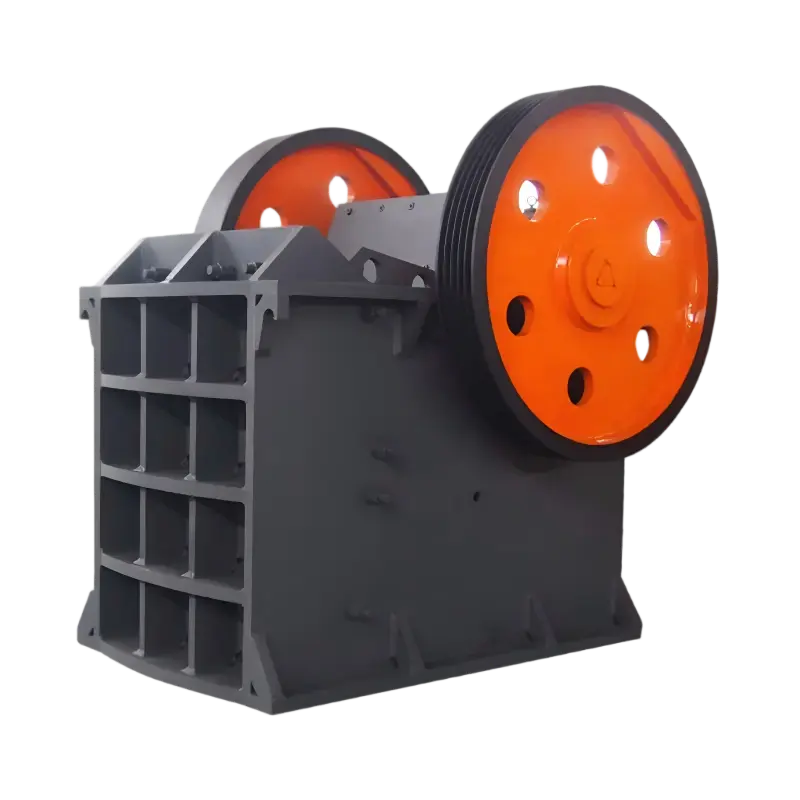
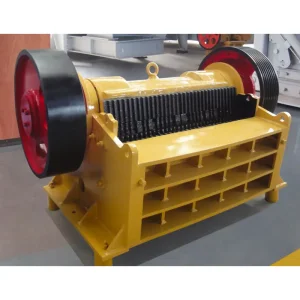
Robust primary jaw crushing unit with high material reduction capability.
View Details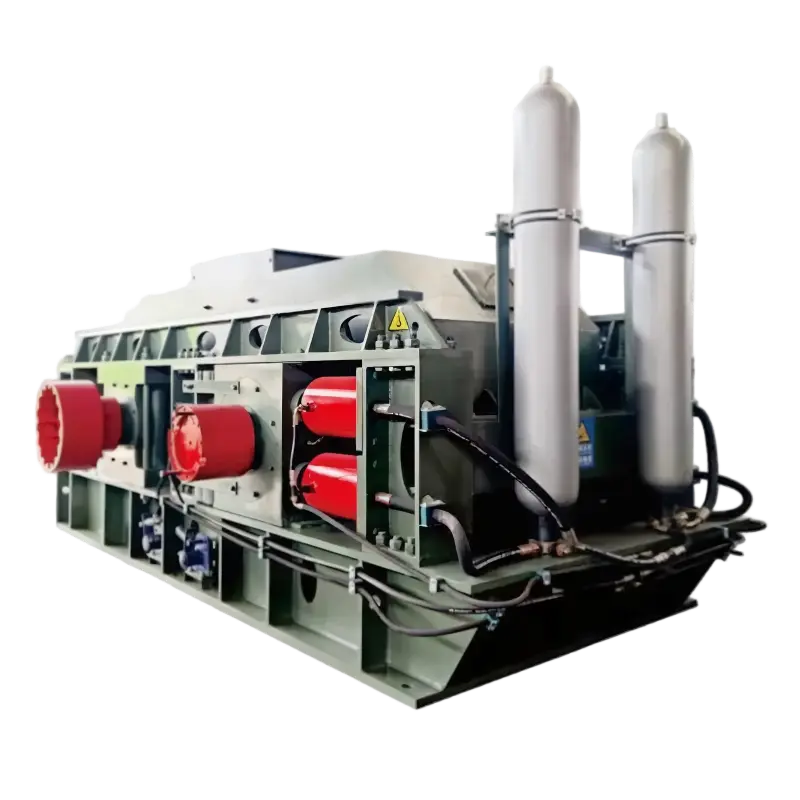
Excellent double roll mechanism for crushing medium-hard ores and aggregates.
View Details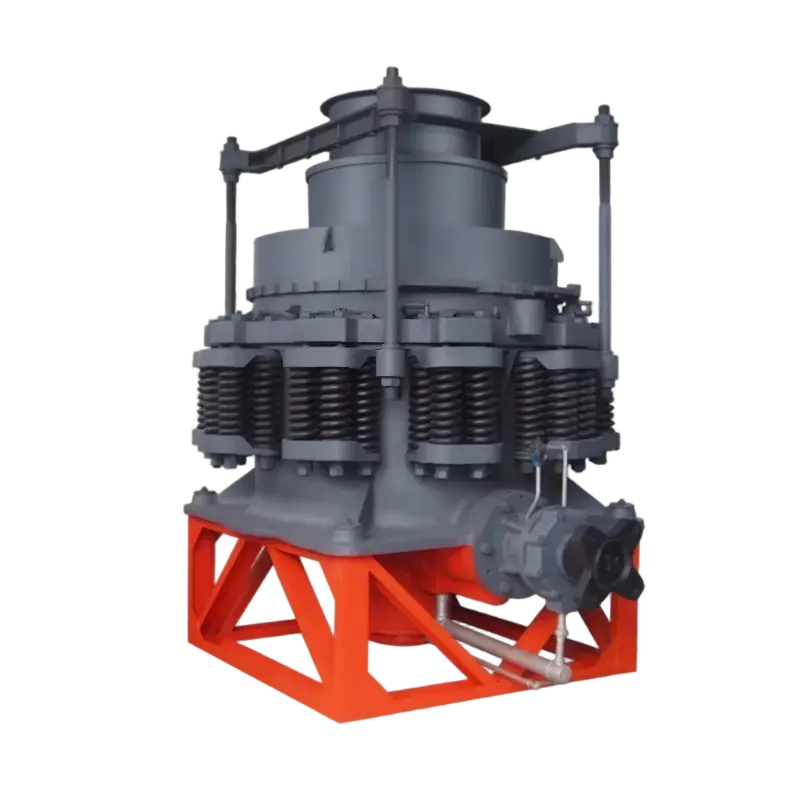
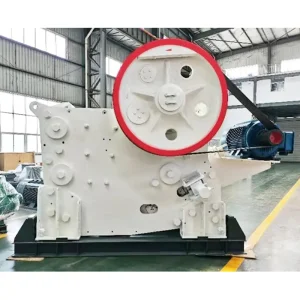
Classic compression crusher for medium and fine size reduction.
View DetailsDouble Rotor Hammer Crushers are key components in high-volume processing lines, supporting operations from quarry extraction to final raw material prep.
In cement plants, limestone is often blended with clay or shale, resulting in a sticky, high-moisture mix. Traditional single-rotor or impact crushers can struggle here, as materials build up on internal grates, restricting discharge flow. The screenless, gravity-flow double rotor hammer crusher handles these conditions effectively. Its dual-shaft layout applies continuous mechanical force to break up clay and limestone without clogging, ensuring a steady feed for downstream milling.
Steel slag recycling is an abrasive application that challenges standard crushers. The material contains trapped metallic iron particles within a hard silicate matrix. Hanhai's crushers use high-performance, wear-resistant alloy liners and impact plates to handle this abrasion. The double rotor impact action shatters the brittle silicate matrix, freeing the metallic iron for magnetic recovery while sizing the remaining slag for use as concrete aggregate or road base material.
Power generation requires consistent, fine fuel sizing for pulverizers. In winter or wet seasons, power plants often receive coal with high surface moisture, which can clog bottom screens. The screenless double rotor hammer crusher processes wet coal to the required size without buildup, helping maintain stable boiler fuel feeding.
Proven installations and critical castings delivered to our global partners.

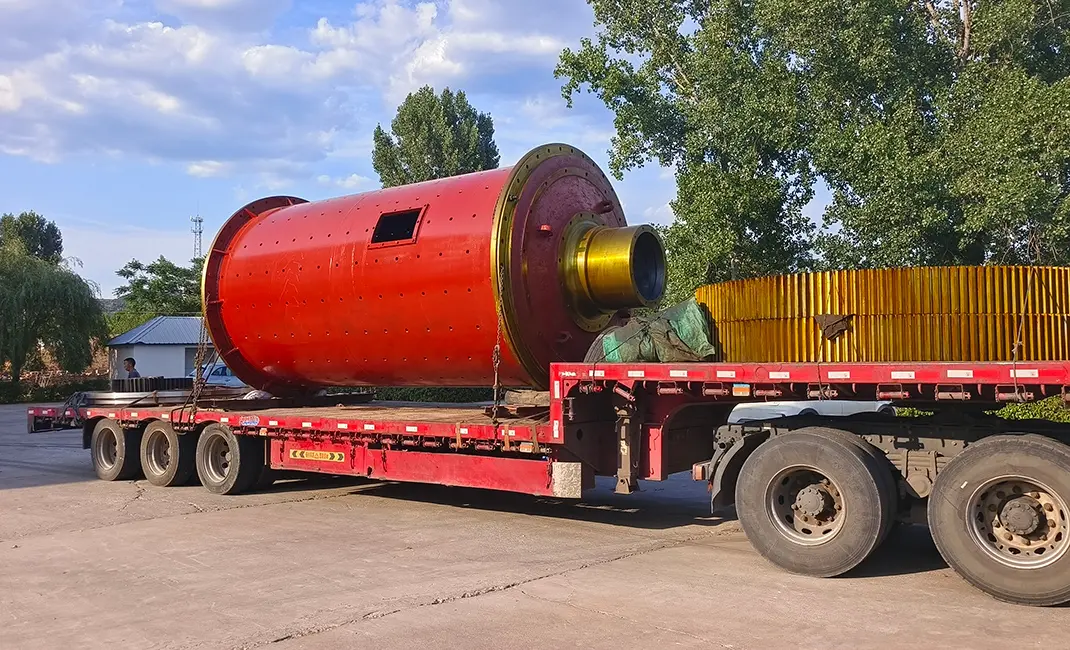
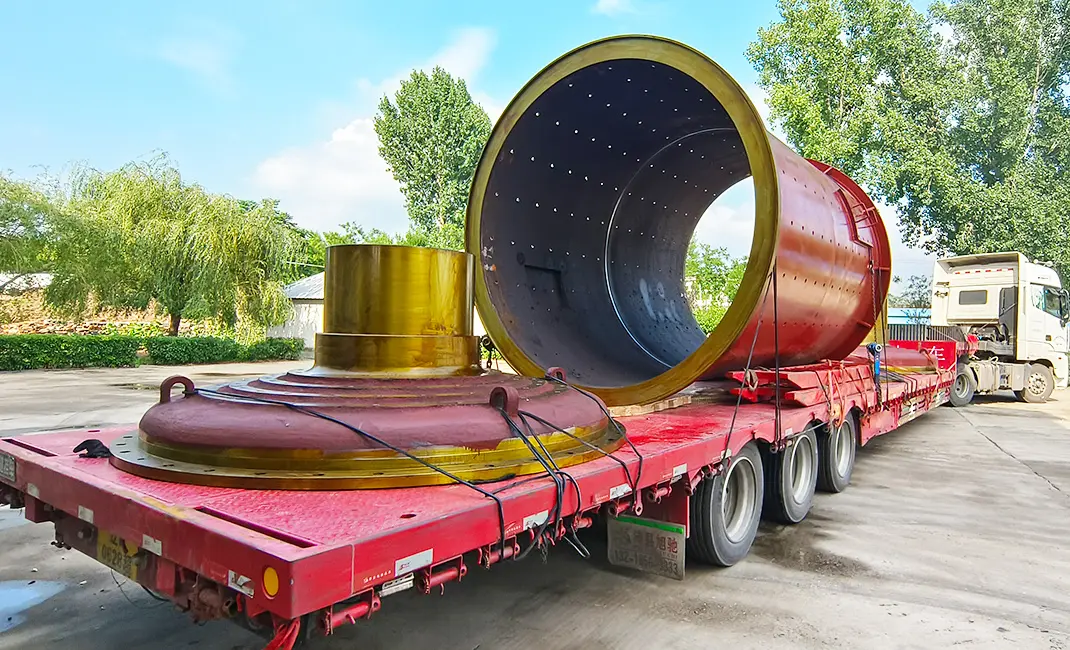
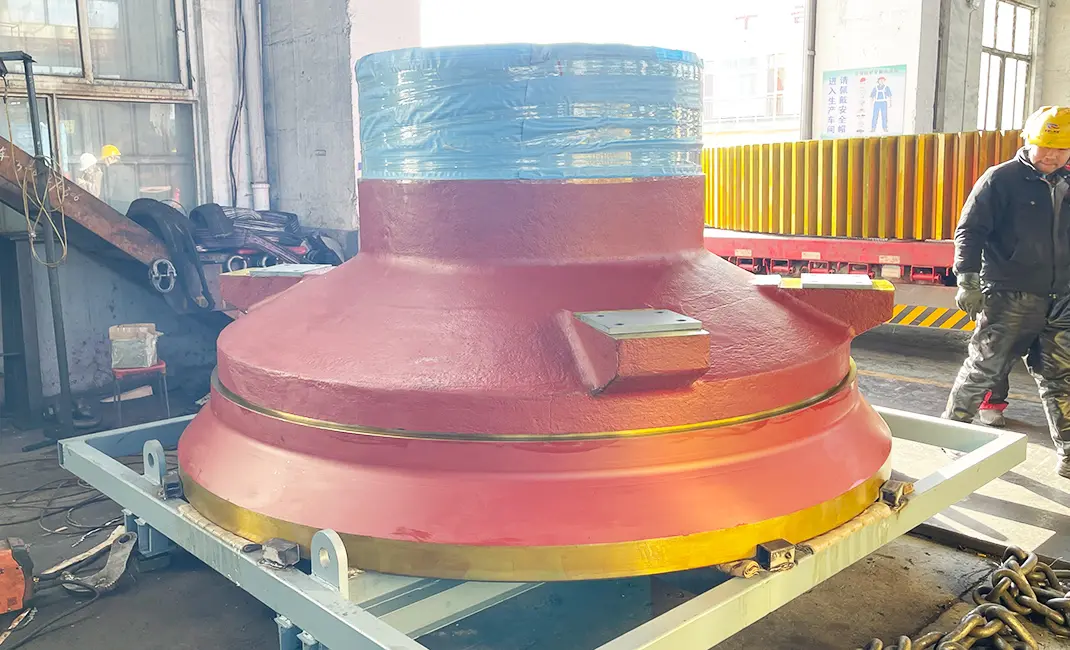
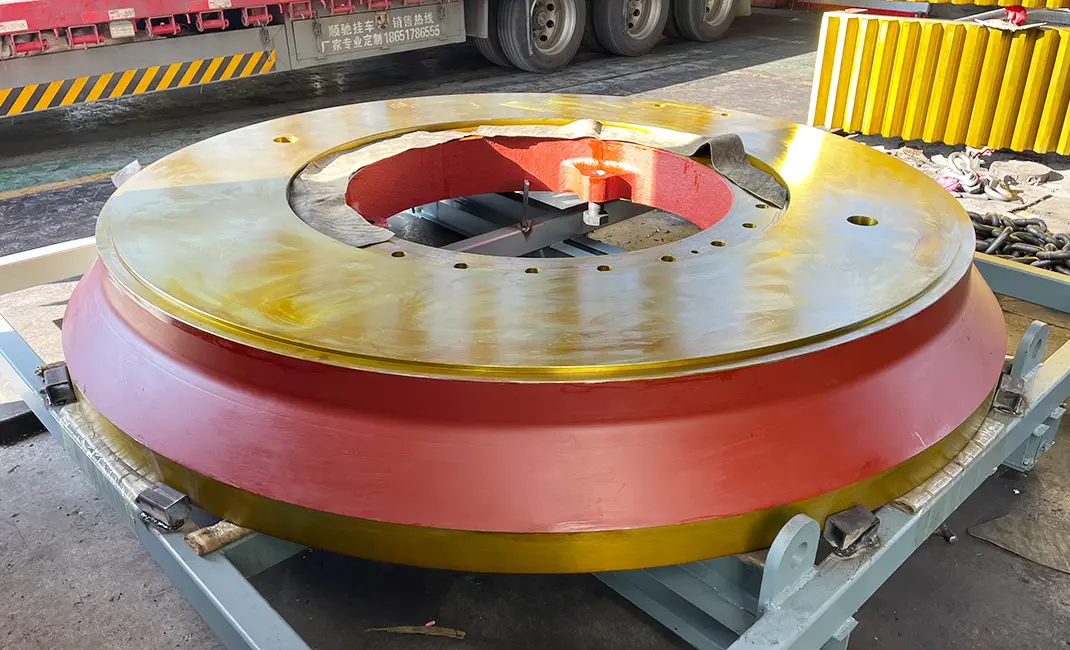
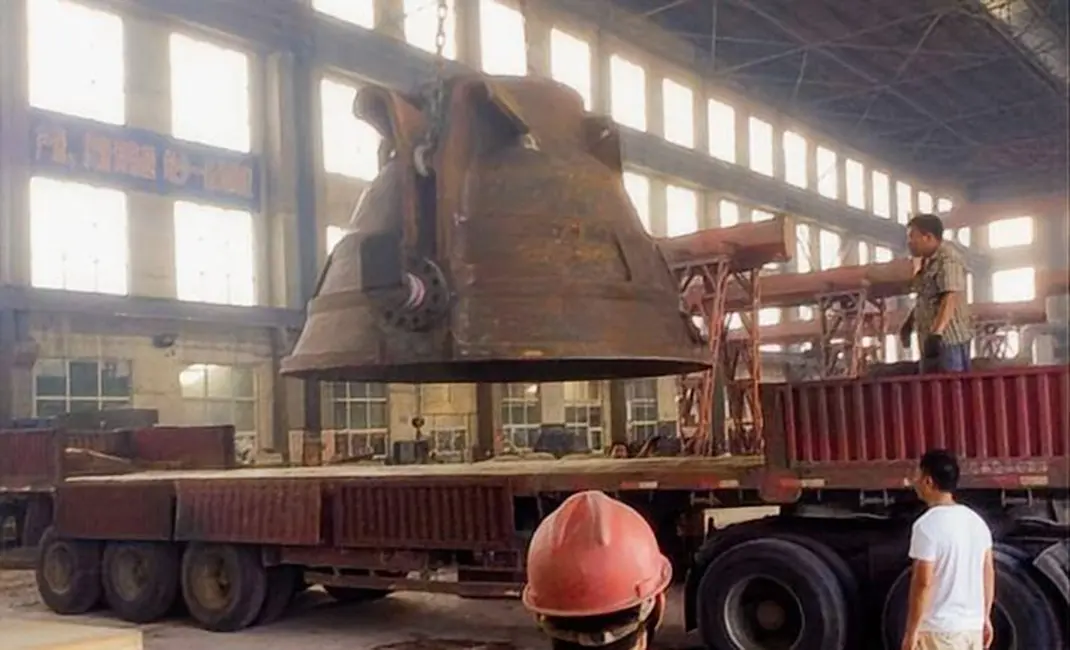
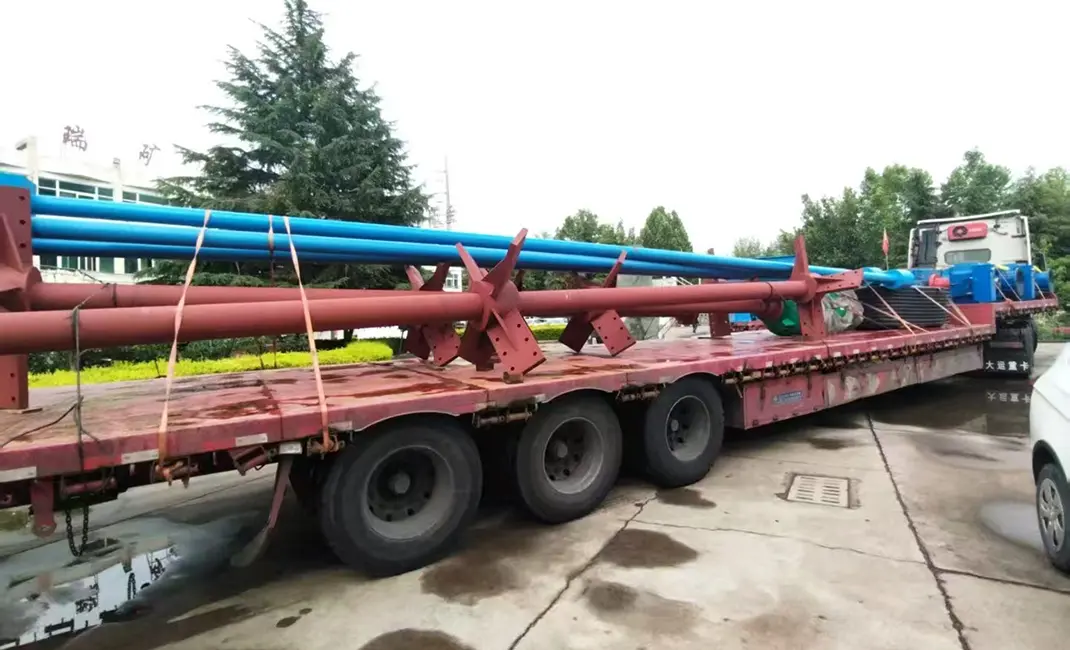
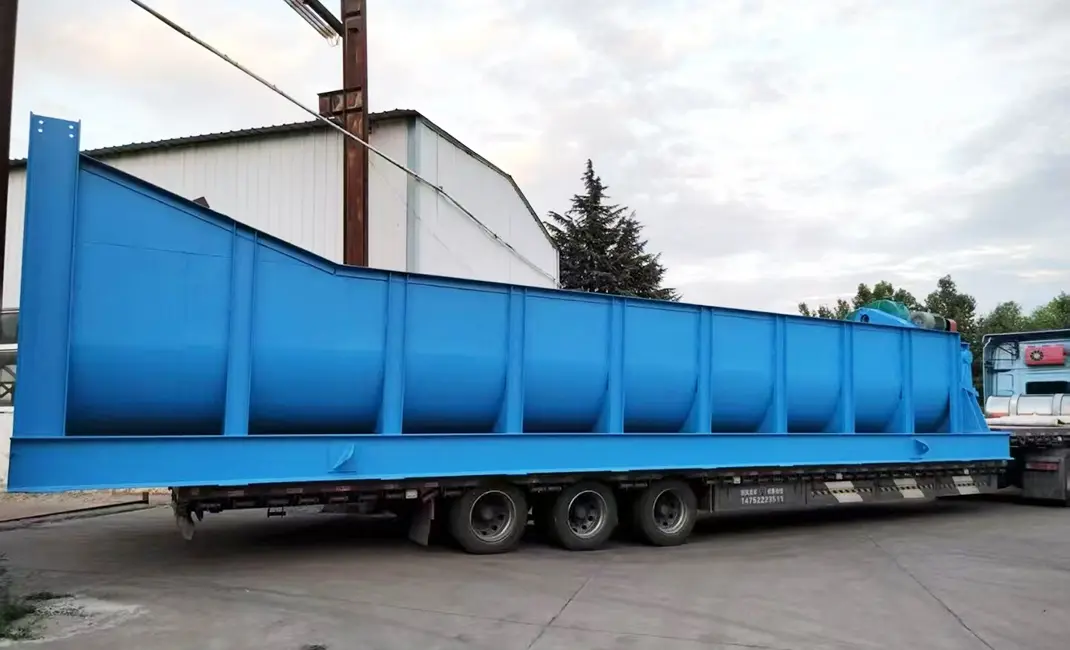
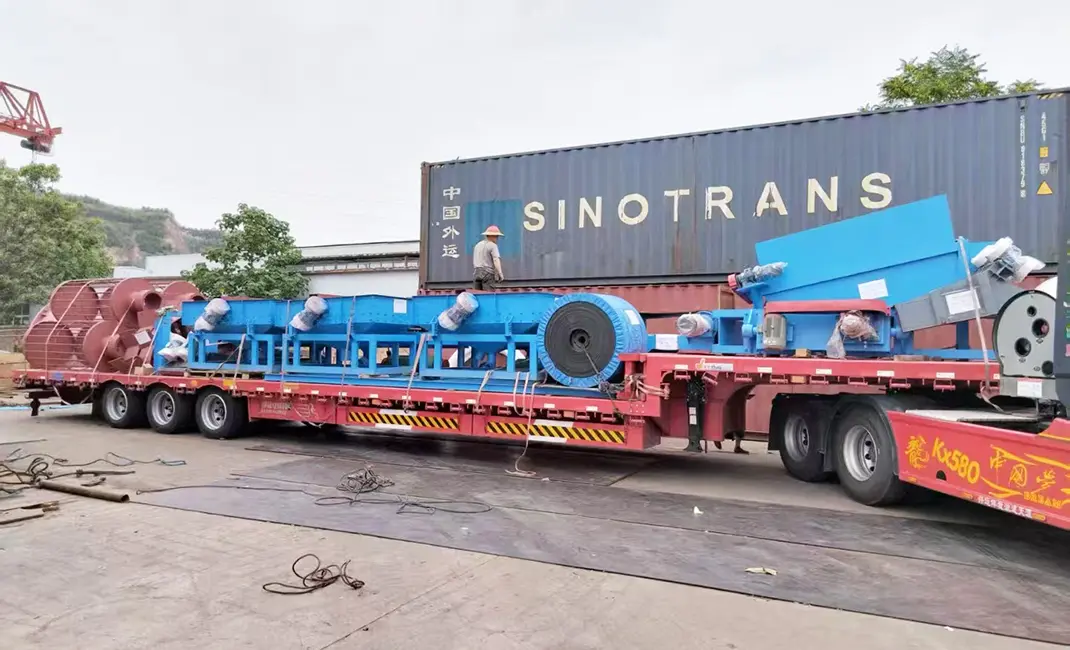
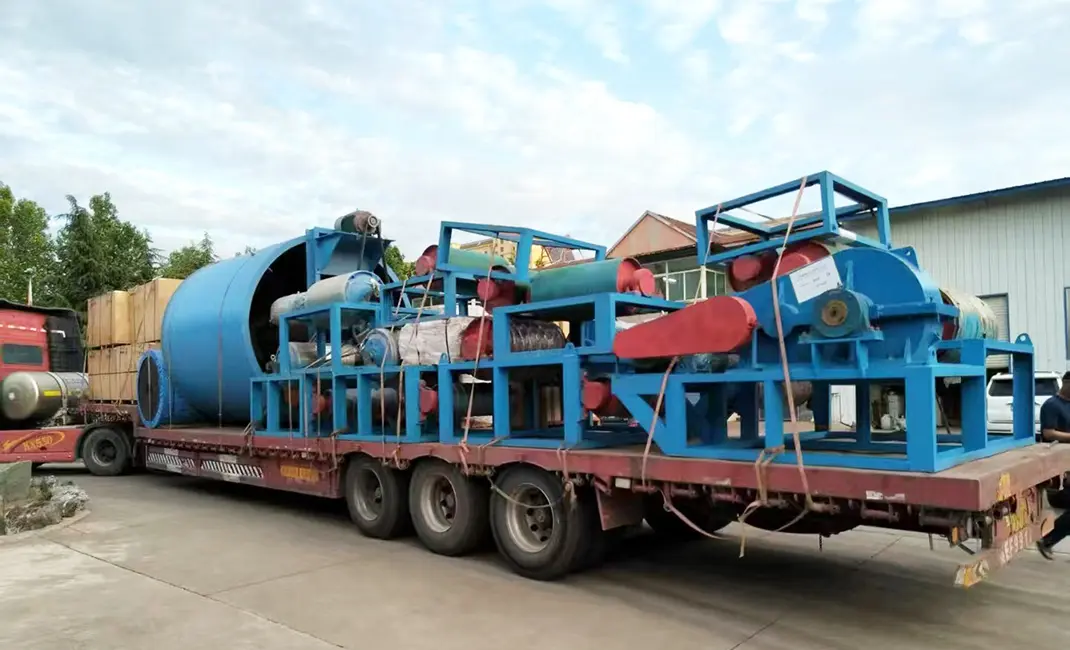
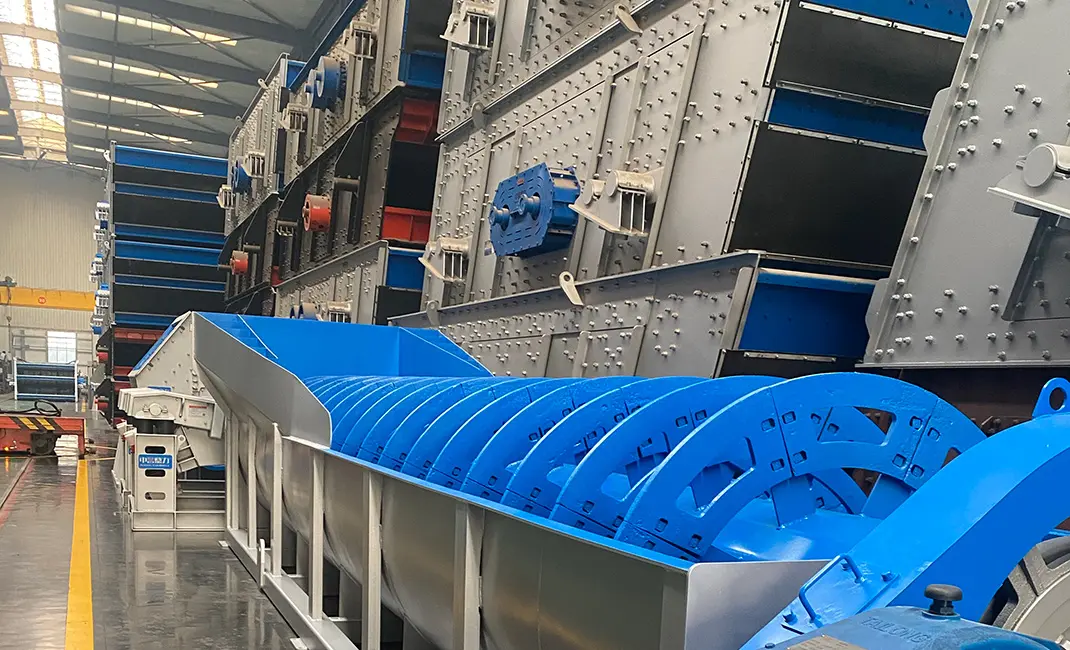
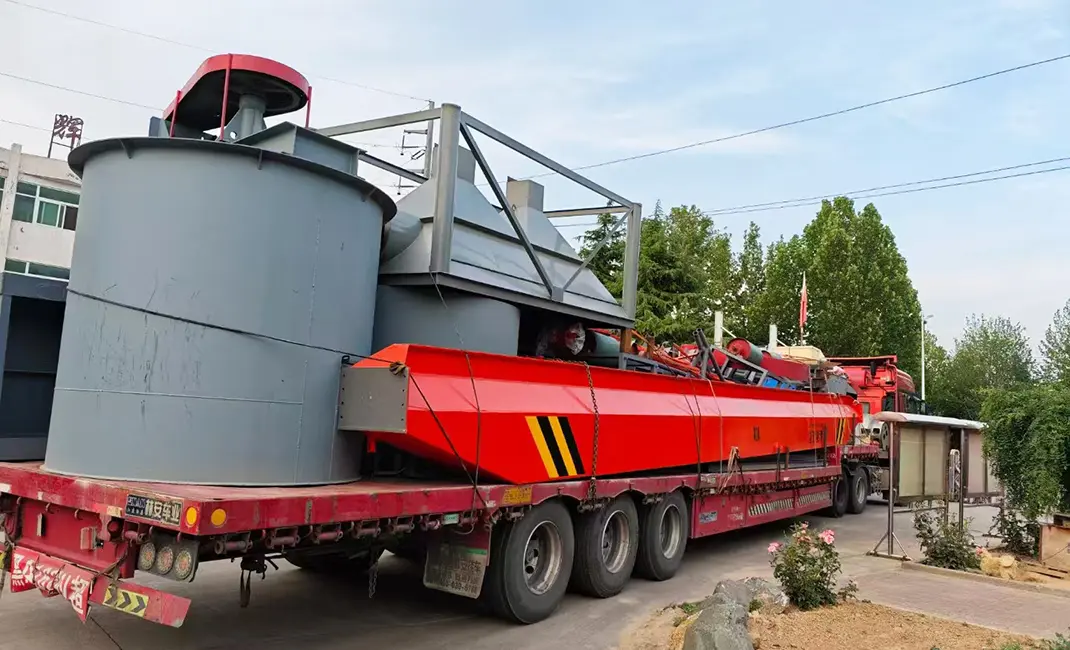
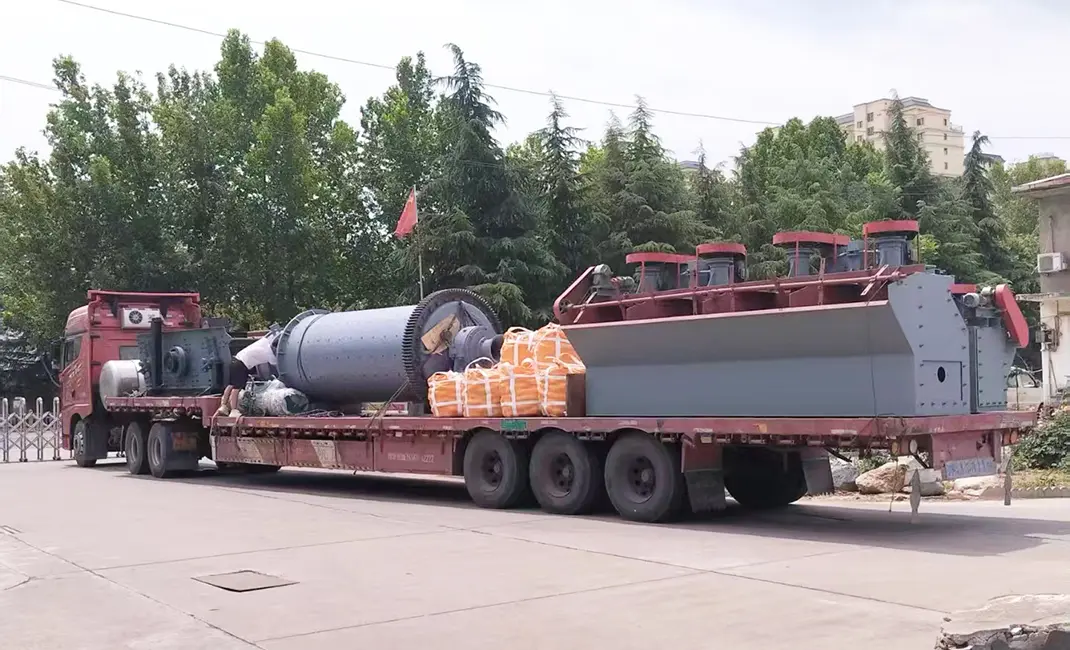
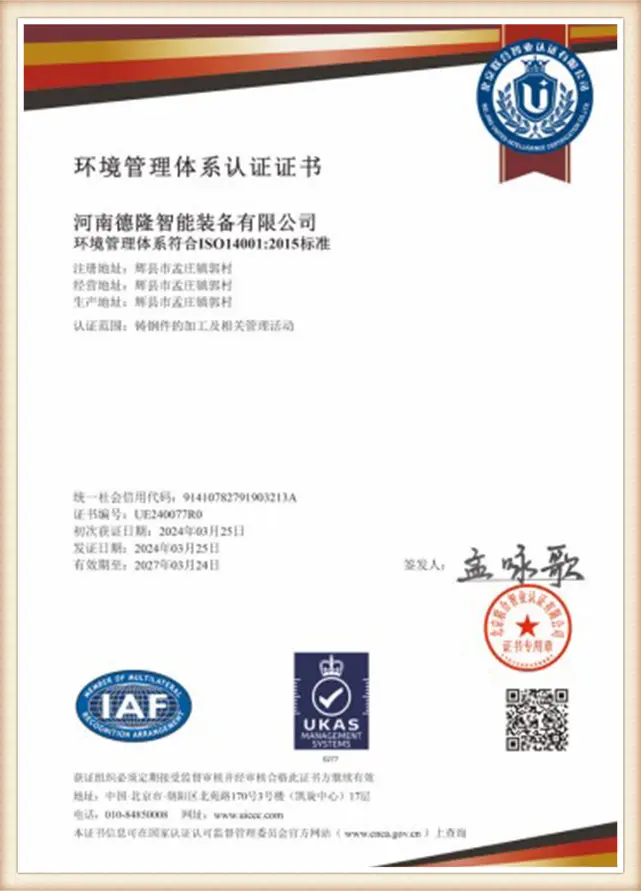
Customized Engineering and Casting Workflows Built for Global Delivery

Gathering site parameters, hardness indices, moisture rates, and production volumes.
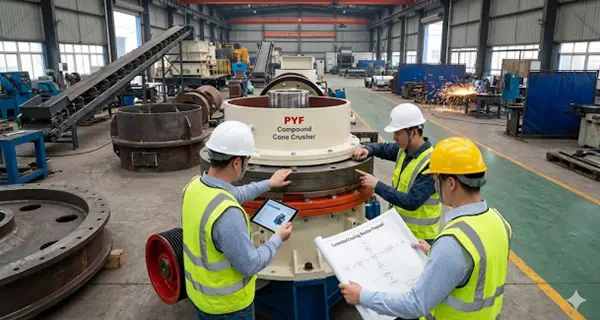
Creating customized crusher parameters and chamber wear profiles to match client targets.
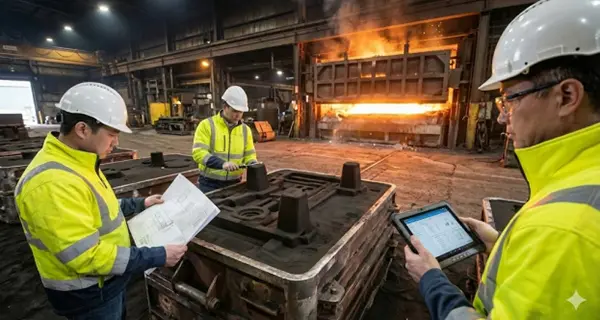
Alignment on tolerances, metallurgical composition, safety features, and final drawings.
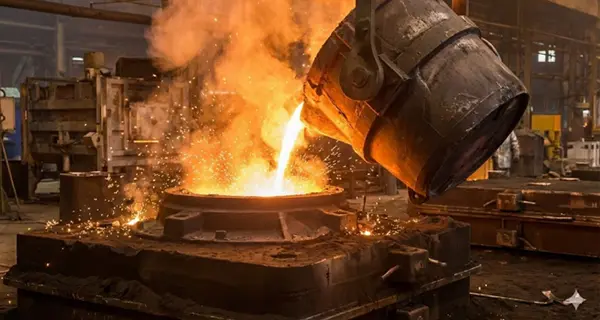
Foundry molding, electric arc furnace melting, heat treatment, and precision machining.

NDT testing, balance verification, and dimensions audits before shipment.
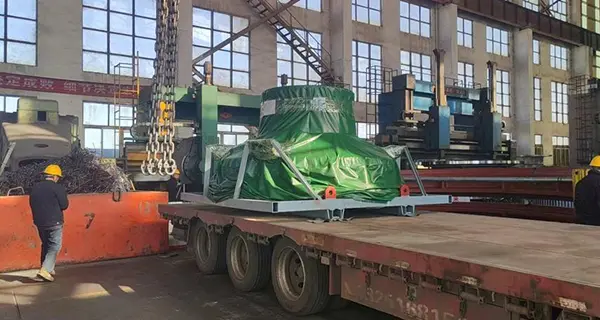
Applying protective anti-rust coatings, secure packaging, and handling global freight.
Modern heavy industry is shifting toward smart, automated operation and lower carbon emissions. Standard mechanical crushers are being updated with advanced monitoring and control systems to optimize performance.
Integrating telemetry sensors helps monitor key operating metrics in real time. Vibration sensors detect rotor imbalances early, preventing potential bearing damage. Thermal sensors monitor temperature trends in high-load spherical roller bearings (like SKF or FAG), automatically flagging issues before they cause unexpected downtime.
Hydraulic adjustment systems are replacing manual mechanisms for gap management. Operators can modify the spacing between rotors and impact plates from a central control room. This makes it easy to adjust final product sizing on the fly to match varying material conditions, optimizing output and reducing energy usage.
Additionally, dust management and noise control are increasingly important to meet strict environmental regulations. Modern crusher designs incorporate acoustic damping structures and integrated water-mist suppression ports to control emissions at the source. This helps operations meet strict workplace safety standards while maintaining high processing efficiency.
Expert answers to technical questions about double rotor hammer crushers.
Premium OEM and custom-engineered industrial components direct from our ISO-certified foundry.
 Hanhai