Explore our leading industrial assemblies designed for high-stress mining, quarry, and metallurgy operations.
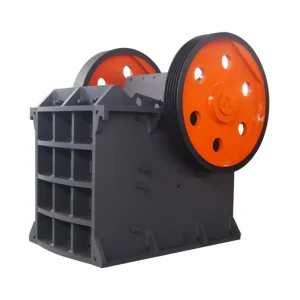
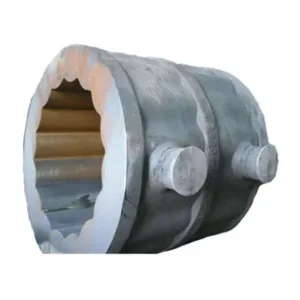
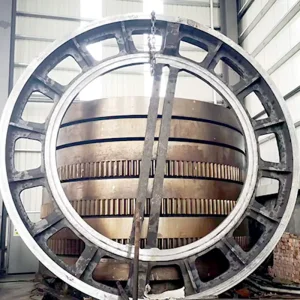
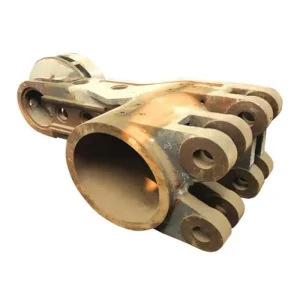
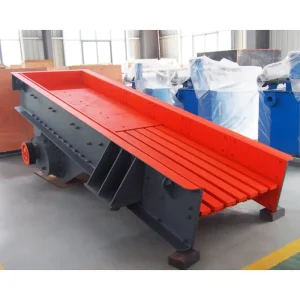
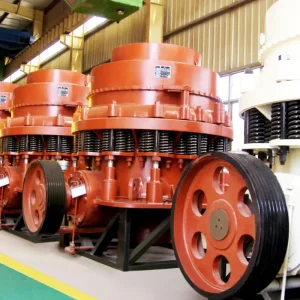
How CE-Certified Compact Impact Crushers redefine material size reduction under stringent regulatory and environmental standards.
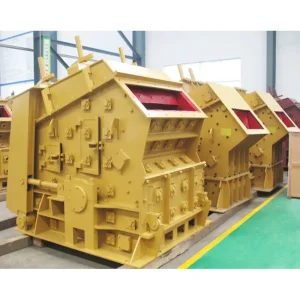
In the contemporary mining, quarrying, and demolition recycling landscape, the demands for efficiency, mobility, and strict regulatory alignment have converged. Compact Impact Crushers represent a vital engineering milestone, offering modular processing capacity that matches or exceeds legacy systems while maintaining a vastly reduced physical and environmental footprint. Henan Hanhai Metallurgy Mining International Trade Co., LTD, leveraging decades of heavy casting and machinery production experience, serves as a pivotal global partner in supplying precision-engineered crushing components, wear-resistant parts, and complete processing lines.
Securing a certified and reliable partner is paramount. CE Certification is not merely a European marketing requirement; it is a holistic safety, structural, and ecological framework that ensures machines handle explosive mechanical forces without endangering local workforces. By ensuring every weldment, casting, and hydraulic connection aligns with European Directives, our operations guarantee structural integrity under continuous peak load. This detailed whitepaper analyzes the procurement dynamics, technological specifications, and strategic roadmaps critical for industrial procurement officers, project managers, and metallurgical engineers looking to deploy high-efficiency impact crushing systems worldwide.
Aligning capital expenditure with durability, compliance, and long-term operating efficiency.
Global procurement teams prioritize CE-compliant machinery to systematically bypass regulatory audits, avoid project halts, and protect human resources from high-velocity kinetic failures standard in lower-tier assemblies.
Strategic buyers balance initial capital expenditure with wear lifecycle costs. By sourcing directly from integrated foundry-to-fabrication suppliers like Henan Hanhai, enterprises secure robust pricing on structural castings (jaw plates, blow bars, eccentric shafts) with minimized intermediate markups.
Deploying modular compact units capable of processing recycling aggregates, basalt, granite, and metallurgical slag allows modern heavy-industry players to adapt to changing commercial contracts without reinvesting in completely new processing lines.
How metallurgical precision drives the uptime of high-stress crushing components.
At the core of every high-performing Compact Impact Crusher is its casting metallurgy. Henan Hanhai Metallurgy Mining utilizes state-of-the-art electric arc furnace melting and refined casting processes to achieve highly uniform grain structures. This eliminates internal voids and thermal stress fractures in massive parts, such as the rotor, main frame housing, and toggle seat assemblies.
Our research and development pipeline focuses on high-manganese alloys (Mn13Cr2, Mn18Cr2) and ultra-high-chromium iron matrices. When impact crushers process high-abrasion ores or reinforced demolition concrete, these alloys work-harden under physical impact. The outer layer transitions into a highly wear-resistant martensitic structure, while the core remains ductile enough to absorb violent impact shocks without catastrophic fracture.
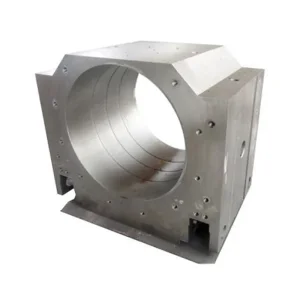
Furthermore, our precision structural machining (with tolerances within 0.02mm) ensures that critical interfaces—such as bearing housings, blow bar lock slots, and shaft keyways—experience minimal friction, preventing thermal expansion issues and keeping operational temperatures within safe design bounds.

Custom metallurgical configurations tailored to diverse global mining and recycling applications.
Urban aggregate plants require silent, dust-controlled, and highly transportable machines. Our compact crushers incorporate integrated dust suppression configurations and optimized feed geometries, processing high-volume concrete debris, asphalt, and structural brick directly on construction sites.
In gold, copper, and iron ore extraction plants, our castings are deployed as pre-crushing assemblies. Handling primary run-of-mine ores, our highly resilient impact surfaces and heavy-duty blow bars reduce material volume rapidly, relieving secondary ball mills and increasing overall plant throughput by up to 25%.
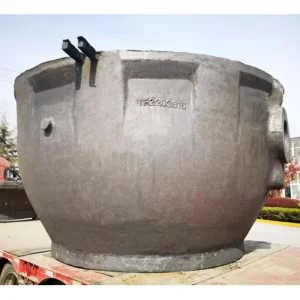
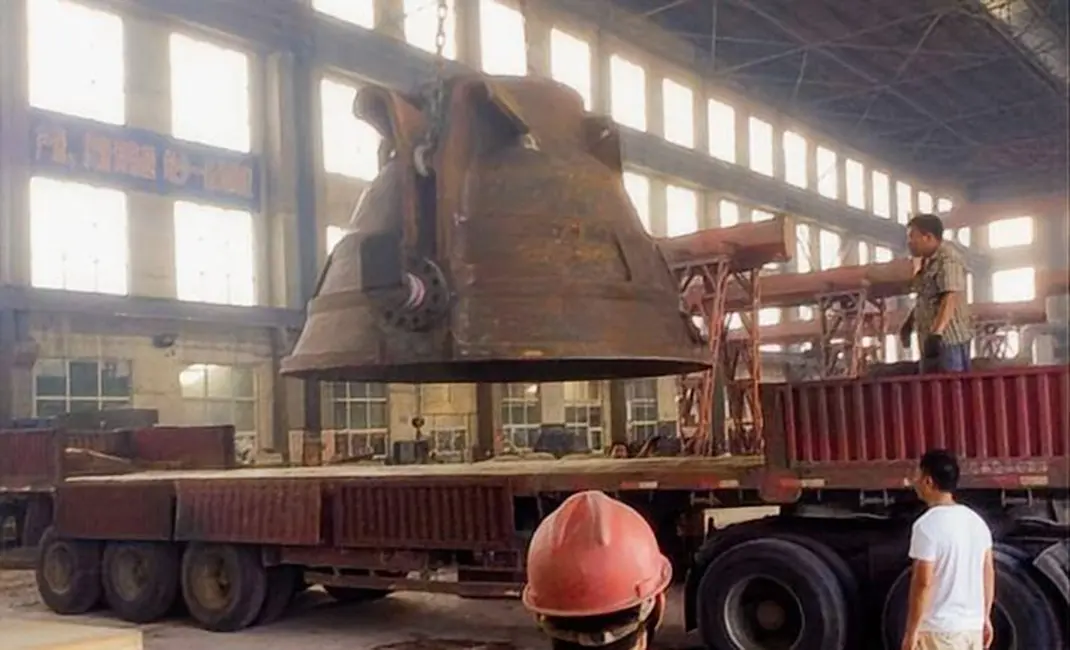
Processing hot slag or metallurgical byproduct cakes demands extreme thermal shock resistance. Our heavy-duty casting slag pots, ingot molds, and impact crushers are engineered with specialized alloy treatments that prevent cracking and surface degradation under extreme thermal cycling conditions.
A timeline of technological expansion, capacity upgrading, and global trade partnerships.
Hanhai Casting was established with a focus on heavy steel and iron castings, laying a solid technical and production foundation. Our initial workshop catered to domestic metallurgy plants, manufacturing high-integrity raw molds and basic frame structures.
Introduced advanced melting and molding technology, expanded production capacity, and served key mining and metallurgy sectors. We adopted automated sand reclamation lines and computerized spectrometer testing systems to ensure carbon and alloy content matched precise specifications.
Achieved ISO9001 certification, upgraded testing systems, and began exporting high-performance castings to Asia and the Middle East. During this era, we implemented global quality management guidelines, ensuring all structural mining castings aligned with American ASTM and European DIN certifications.
Integrated intelligent foundry systems and digital management, driving sustainable manufacturing and global customer partnerships. Real-time casting simulation software (MAGMAsoft) is now deployed to optimize mold design and prevent metallurgical defects before pouring even begins.
To empower industry with precision casting and sustainable manufacturing excellence, reducing downtime through engineered durability.
To be a trusted global foundry brand delivering high-quality steel and iron castings that form the backbone of global infrastructure.
A rigorous 9-step pipeline designed to ensure clear communication, precise engineering, and flawless execution.

Gathering mineral characteristics, desired throughput capacities, and local operating conditions to define scope.
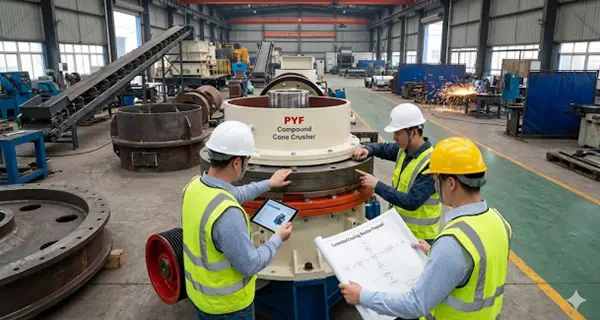
Creating CAD models and finite element analysis simulations for components and dynamic structures.
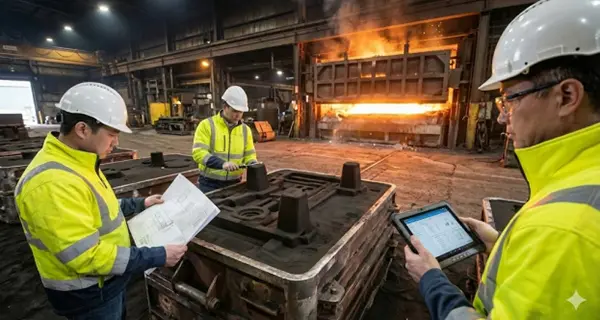
Finalizing chemical composition certifications, assembly tolerances, and commercial shipping terms.
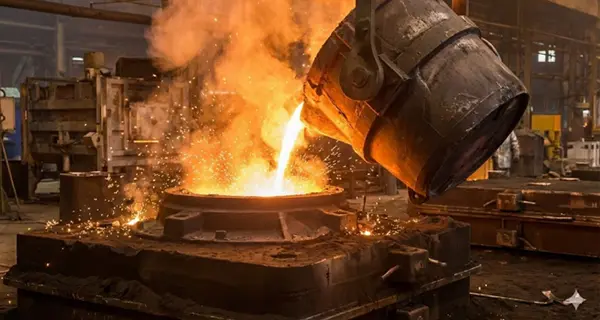
Melting, casting, heat treating, and machining parts within our ISO9001-controlled facility.

Conducting ultrasonic, magnetic particle, and dimensional tests to verify casting integrity.
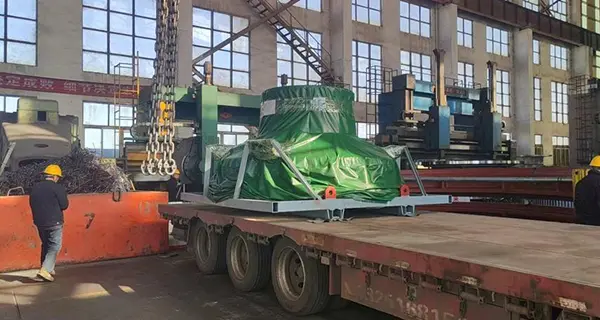
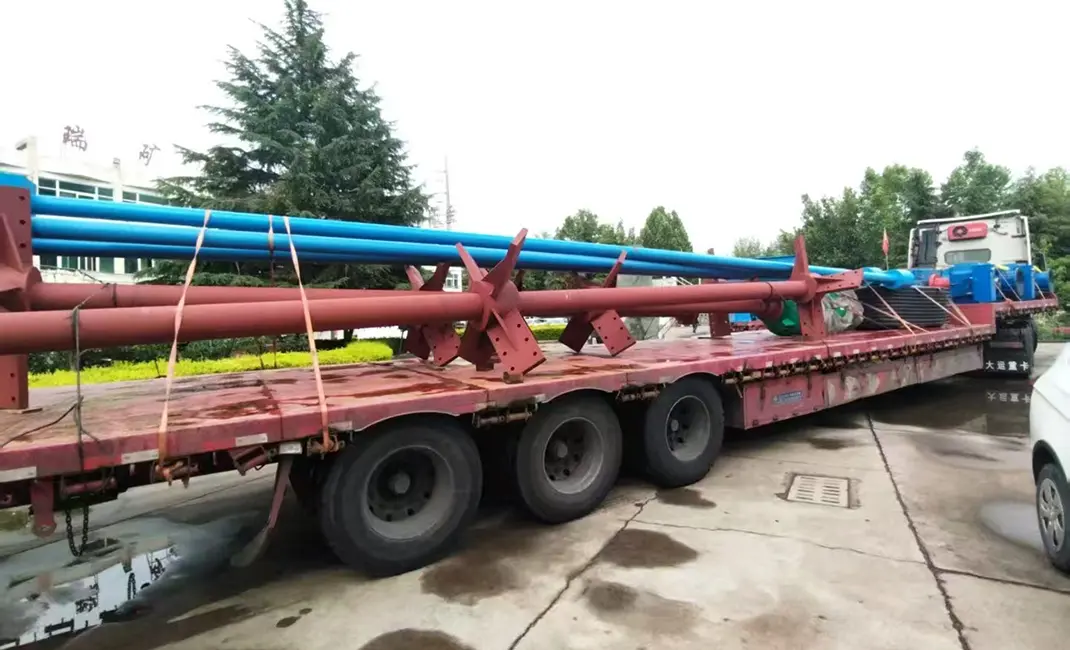
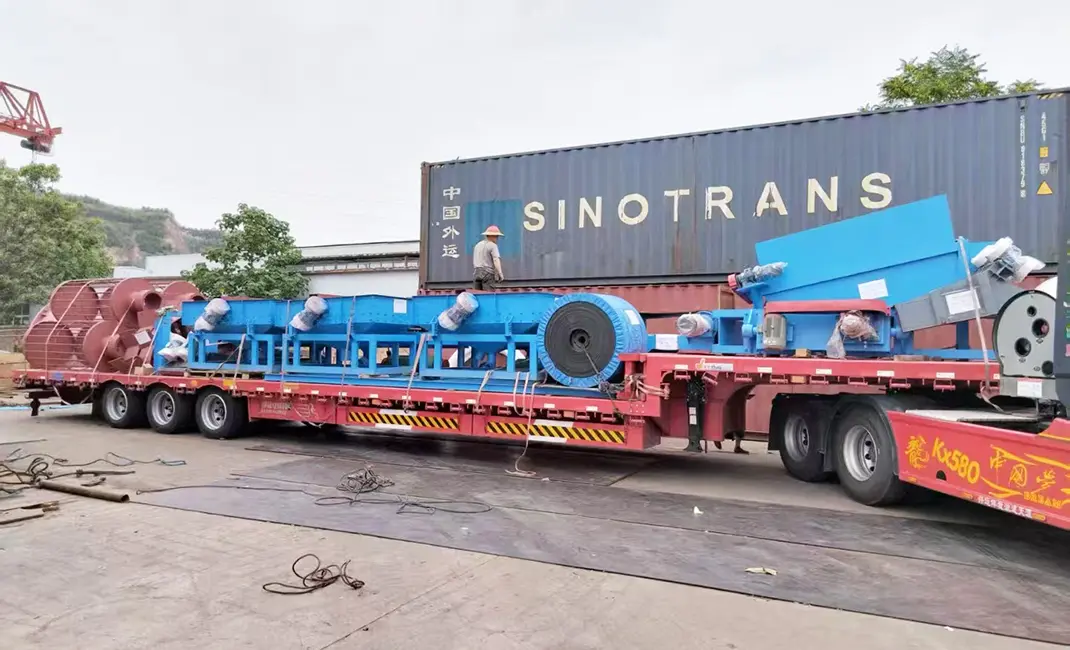
Seaworthy packaging, anti-corrosion coating, and global logistics coordination with customs clearances.
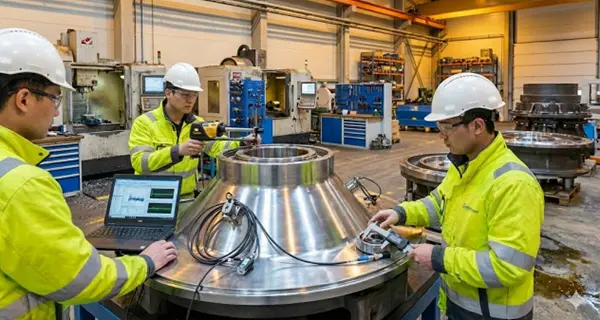
On-site assembly engineering oversight and mechanical alignment support for optimal wear life.

Operational training, maintenance log setup, and wear-profile scheduling with local teams.
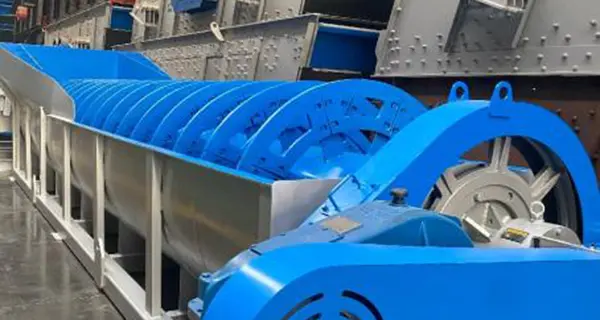
Rapid deployment of emergency spare parts, wear audits, and regular casting replacement cycles.
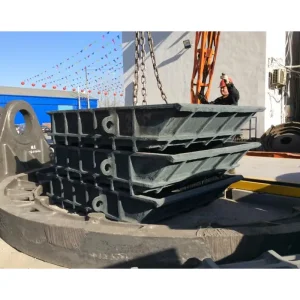
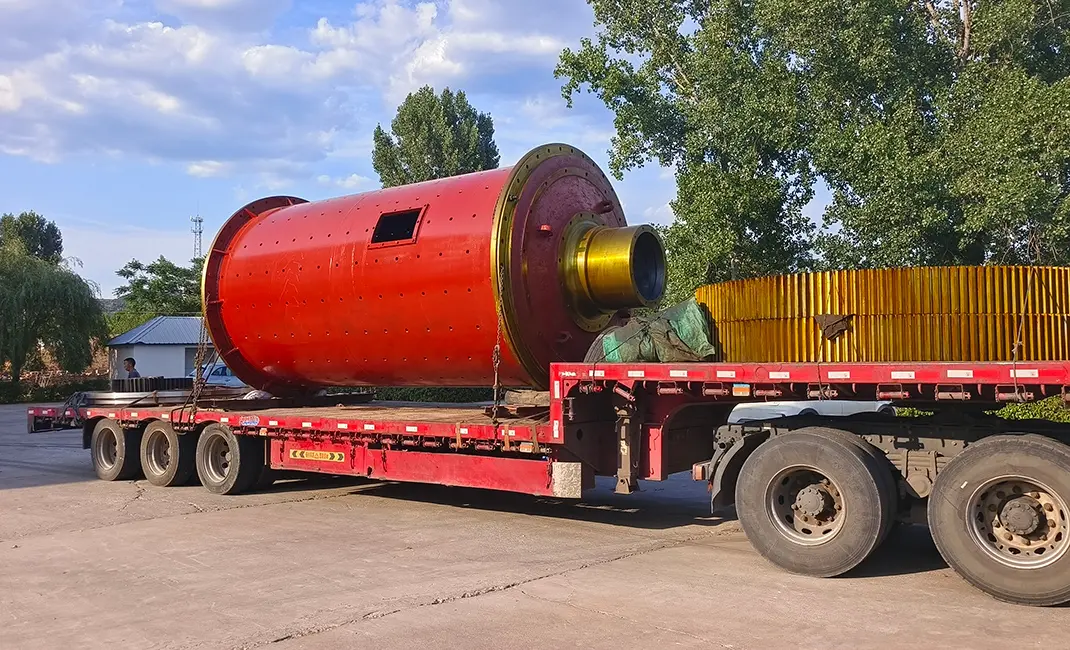
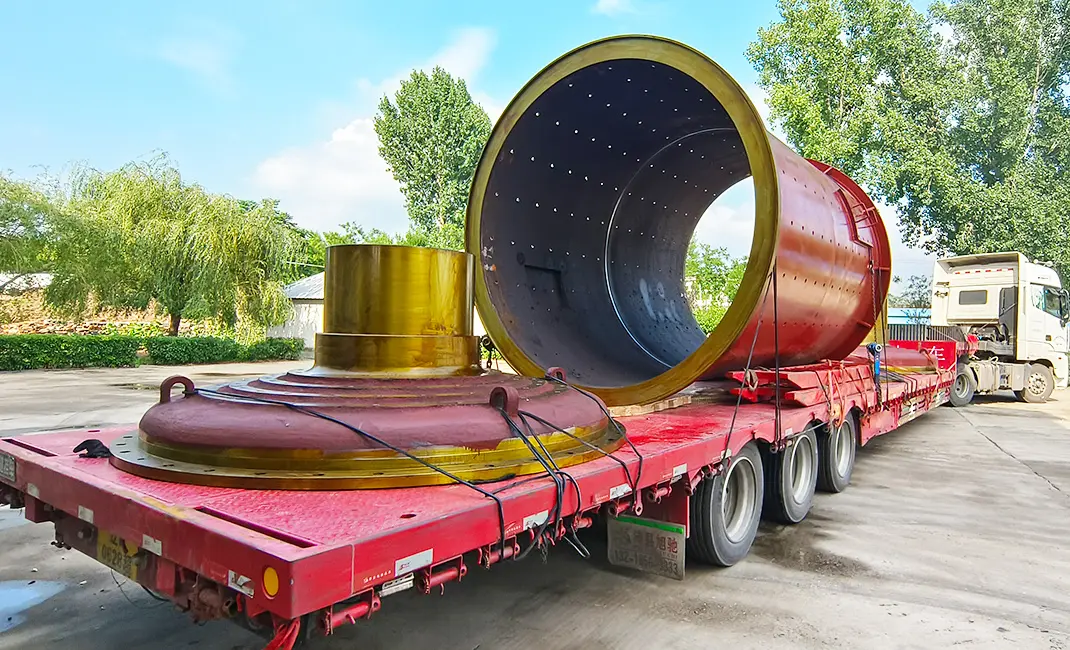
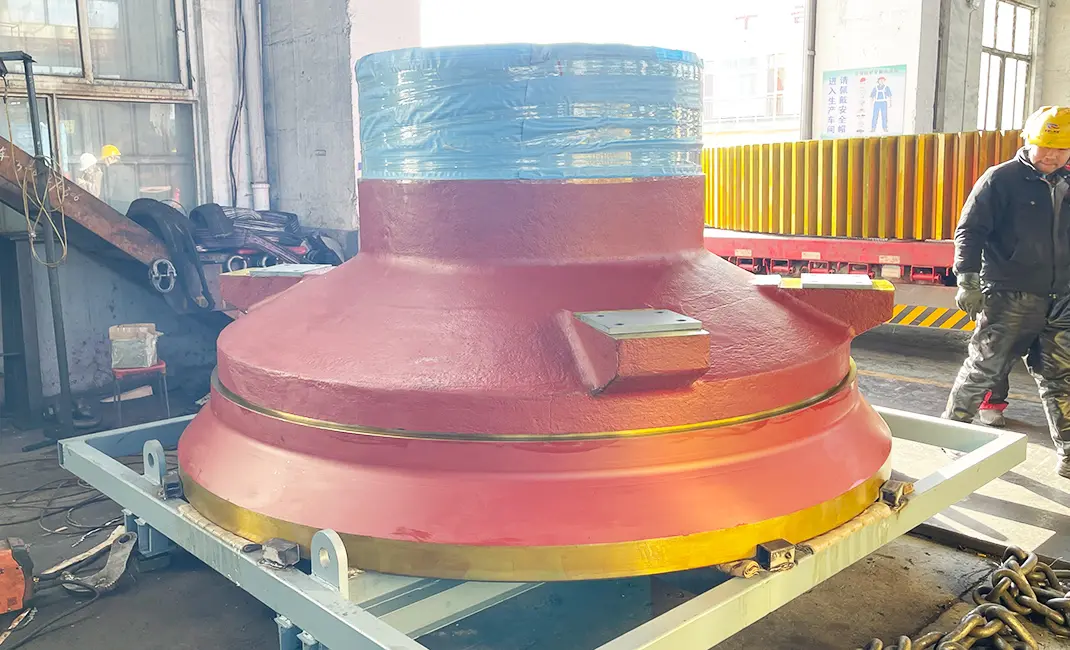
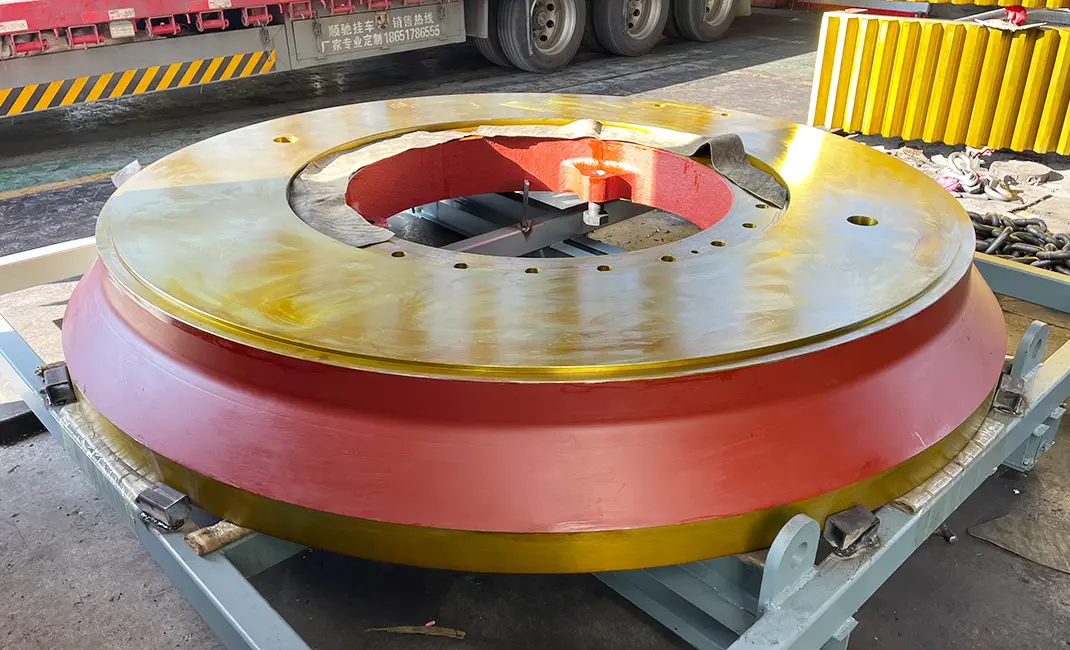
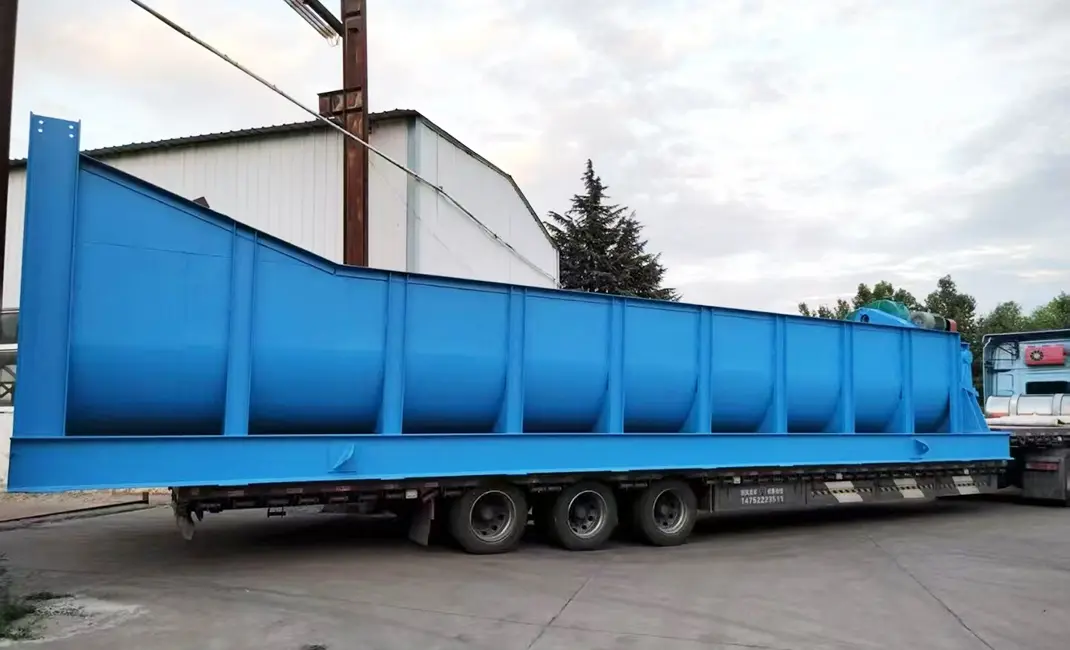
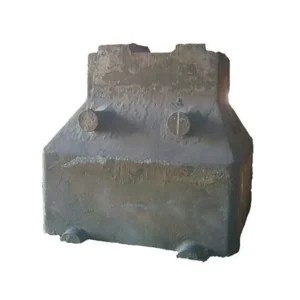
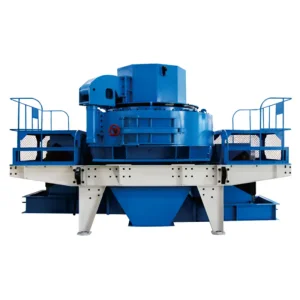
A visual gallery documenting our heavy castings, components, and equipment assemblies in operation worldwide.

Expert insights on compact impact crushing dynamics, alloy selection, and certification frameworks.
CE Certification certifies that the crushing equipment complies with key EU directives, including the Machinery Directive 2006/42/EC and the Electromagnetic Compatibility (EMC) Directive. For compact machines working in confined urban environments, CE certification ensures that noise, dust emission controls, and electrical control panels meet rigorous safety, operational, and ecological safety thresholds, preventing legal liabilities for operators.
For limestone and recycling concrete containing rebar, high-chromium martensitic iron blow bars are recommended because they resist micro-scratching. If the feed contains highly abrasive materials like basalt or granite, high-manganese alloys (such as Mn18Cr2) are preferred. The high manganese content deforms and work-hardens under continuous impacts, keeping the core ductile and shock-absorbent while maintaining a hard exterior layer.
We use Magmasoft casting simulation software during the mold design stage to analyze solidification and prevent shrinkage cavities. After casting, all critical load-bearing steel components undergo heat treatment (normalizing and tempering) followed by Non-Destructive Testing (NDT), including Ultrasonic Testing (UT) and Magnetic Particle Testing (MT), to verify that no internal fractures exist.
Depending on casting size and machining complexity, customized orders range from 45 to 75 days. Components are coated with anti-rust oils, wrapped in heavy protective plastics, and secured in custom steel-braced crates to prevent movement and maritime corrosion during transit.
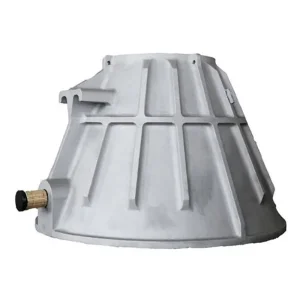
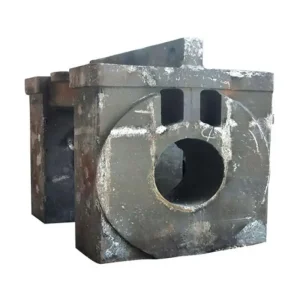
Heavy duty components designed to support mining, metallurgical slag handling, and stone crushing setups globally.
 Hanhai