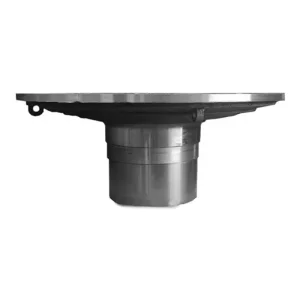
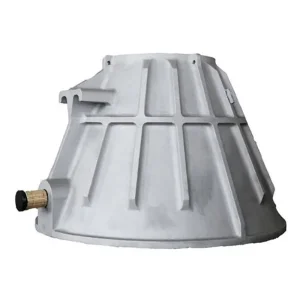
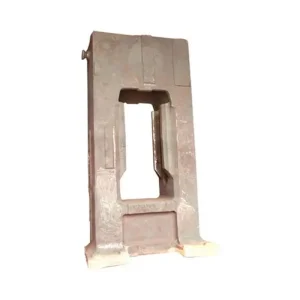
In the modern landscape of material reduction and aggregate processing, the demand for agility, low footprint, and heavy duty performance has driven the evolution of the compact crusher. Historically, crushing installations required substantial fixed civil foundations, massive electrical infrastructures, and months of preparation. Today, environmental restrictions, rapid urban demolition projects, and decentralized underground mining demand mobile, flexible, yet structurally uncompromised crushing machinery.
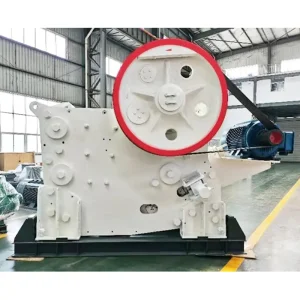
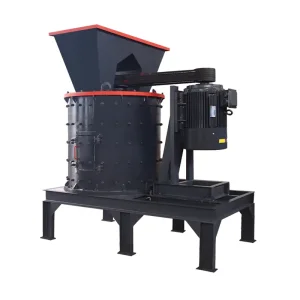
An industry-grade compact crusher integrates heavy crushing jaw mechanism or cone assemblies within a optimized chassis that can be easily transported or relocated. However, downsizing the footprint without sacrificing feed sizing limits or aggregate reduction ratios introduces profound engineering challenges. The structural integrity of the main frame, the metallurgy of the wear castings, and the thermal stability of the bearing housings must meet or exceed the performance parameters of stationary heavy duty machines.
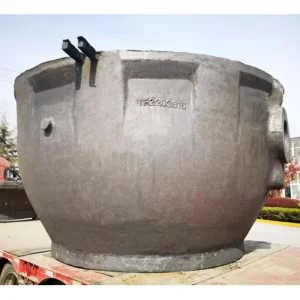
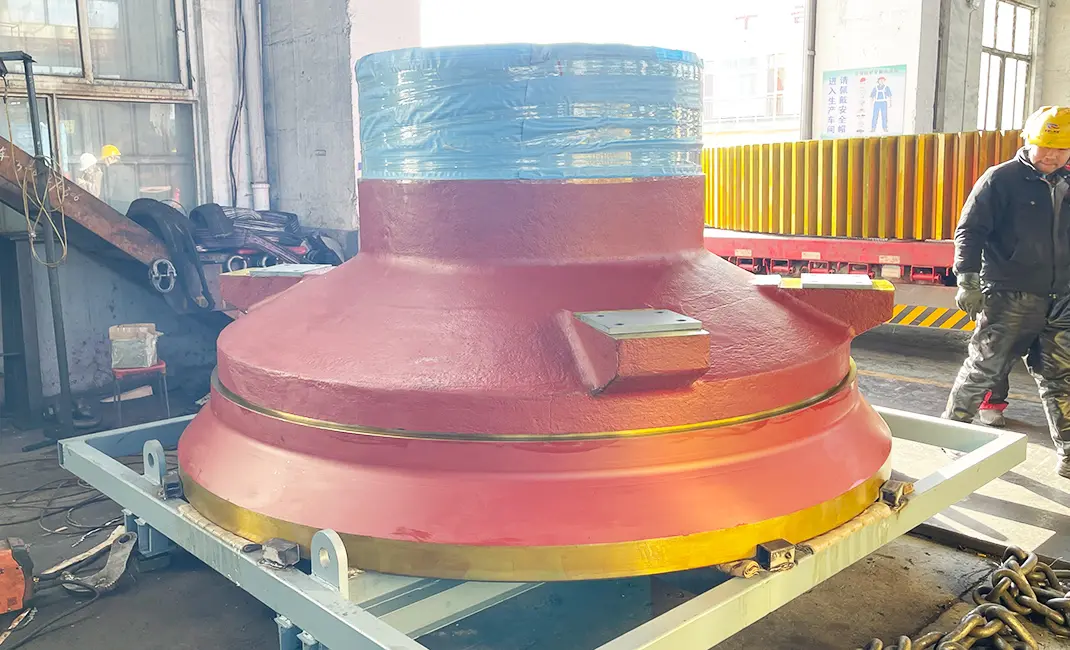
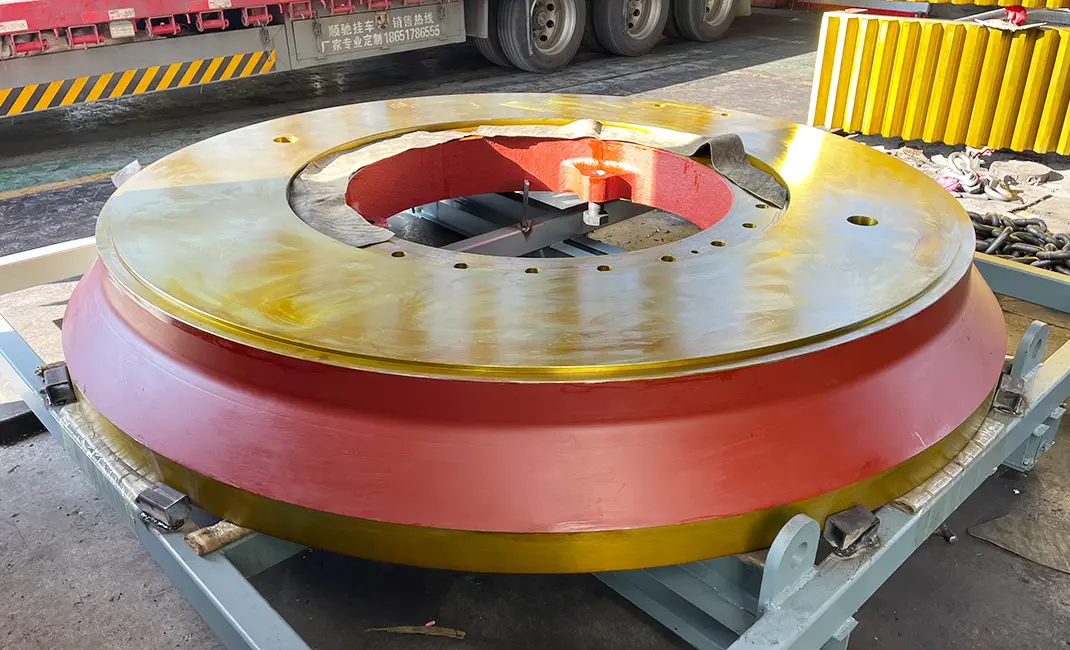
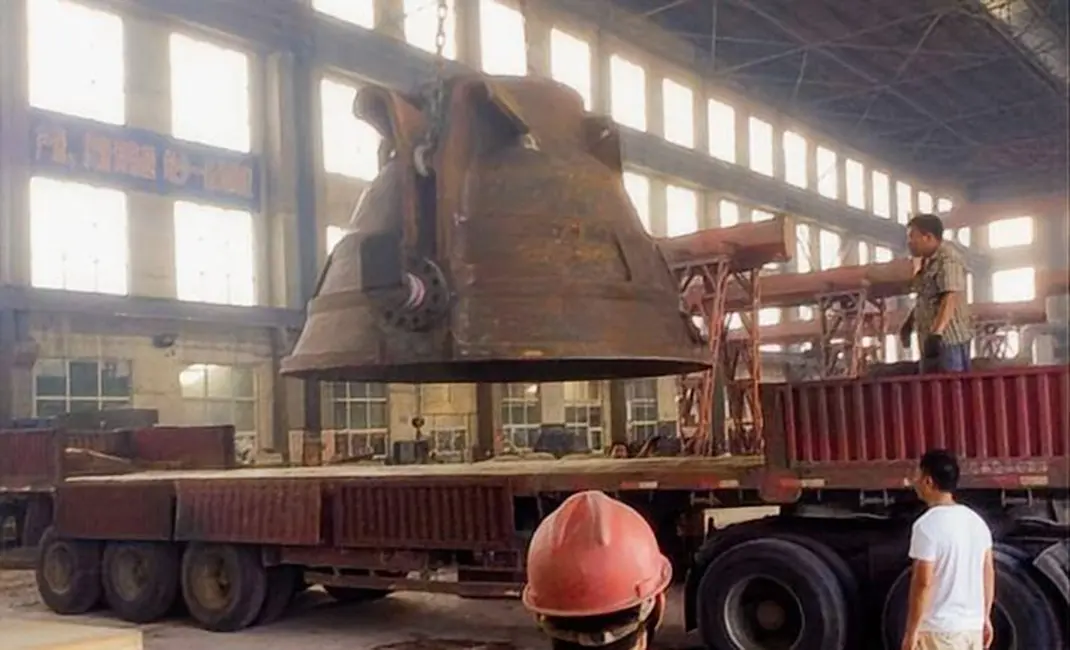
As a leading innovator, Henan Hanhai Metallurgy Mining International Trade Co., LTD utilizes advanced casting techniques to engineer wear-resistant structural frames and internal components that absorb peak crushing loads. By consolidating melting, molding, heat treatment, and precision CNC machining, we provide compact crushing solutions and heavy replacement components that guarantee operational reliability under high-impact conditions.

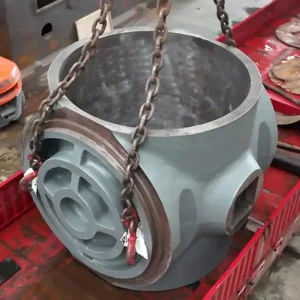
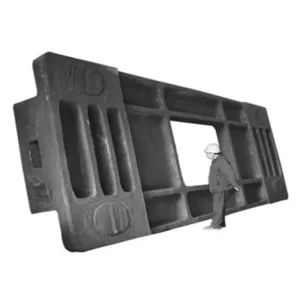
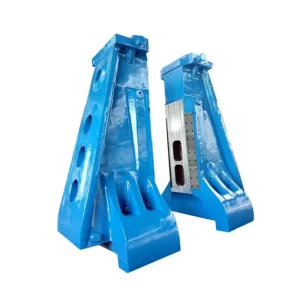
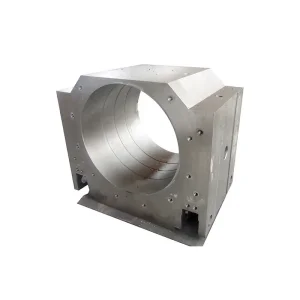
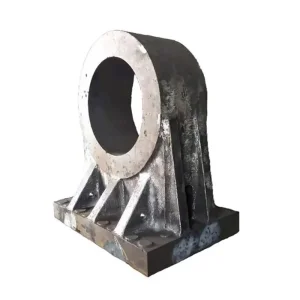
The operating life of a compact crusher is determined by the wear limits of its primary components. Compact systems operate under extreme cyclic fatigue and impact forces, meaning that ordinary welded fabrication frames often suffer from stress cracking at joints. Henan Hanhai solves this core engineering vulnerability by designing and casting unified steel frame bodies, heavy duty eccentric shafts, and high-manganese wear liners.
| Equipment Type | Ideal Application Scenario | Key Cast Material / Alloy Used | Structural Benefit |
|---|---|---|---|
| PE/PEW Jaw Crusher | Primary coarse reduction of hard ore, granite, basalt | Mn13Cr2 / Mn18Cr2 (Manganese Steel) | Work-hardening properties; wear resistance increases under impact load |
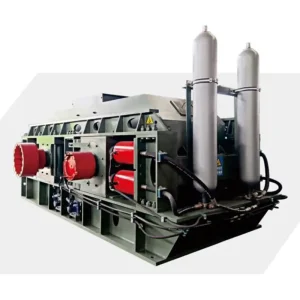
| PG Roller Crusher | Medium and fine reduction of sticky, soft, or coal-based feeds | High Chromium Cast Iron / Alloy Steel | High surface hardness prevents localized grooving from abrasive wear |
| PY/PYF Cone Crusher | Fine secondary crushing for high quality cubical aggregate | Alloy Steel Frame, Bronze Bushings | Optimized cavity layout; absorbs constant high-frequency compression forces |
| VSI / VSI5X Impact Crusher | Artificial sand-making and aggregate shape correction | Tungsten Carbide Inlays, High-Chrome Alloys | Exceptional resistance to high-speed kinetic erosion |
For our compact systems, we employ Finite Element Analysis (FEA) to identify high-stress concentration areas. The frame thickness is strategically adjusted, using alloy steel castings rather than standard structural steel, resulting in a frame weight reduction of up to 20% without sacrificing loading capacity. This allows compact configurations to be integrated directly onto mobile tracks or skids, fulfilling global procurement demands for ease of shipping and transport.
Procuring mining and metallurgy equipment is a complex, long-term capital investment. Global enterprises require suppliers who don't just assemble off-the-shelf components, but manage the complete metallurgical lifecycle from alloy formulation to dimensional validation. Below is our transparent, quality-first manufacturing workflow engineered to mitigate overseas sourcing risks:
We gather detailed feed characteristics, required throughput (TPH), moisture content, and site layout requirements. Our engineering team selects the ideal metallurgical composition and designs customized crushing chambers using specialized CAD and simulation software.
At our Henan foundry, we control the entire melting process using spectrometer verification. Following casting, components undergo normalizing, tempering, or water quenching thermal treatments to maximize toughness and eliminate residual internal casting stresses.
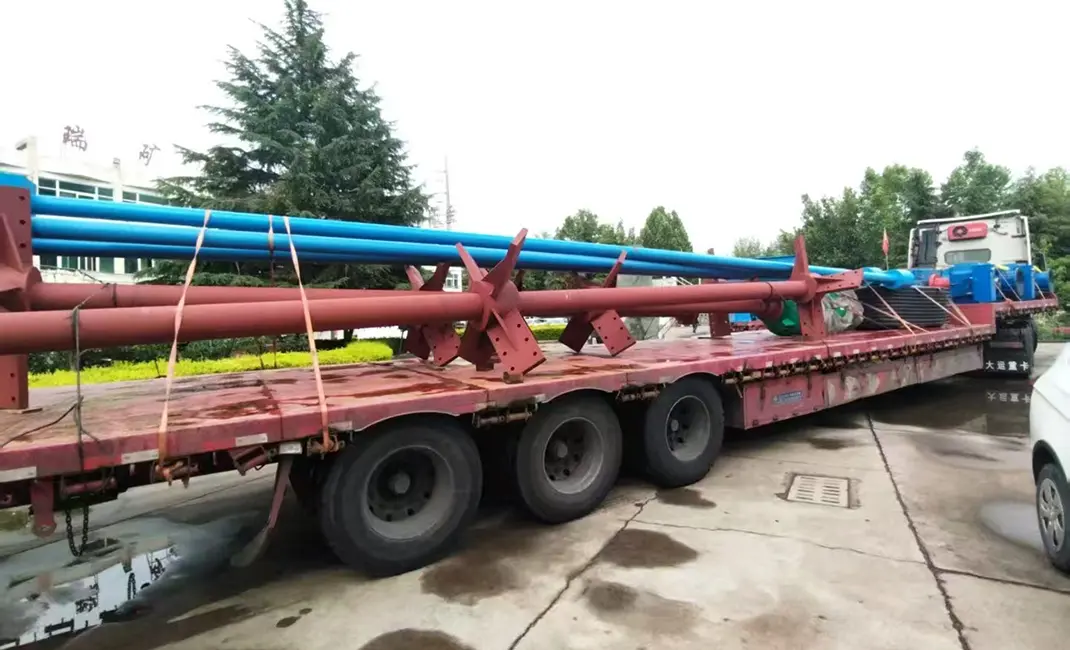
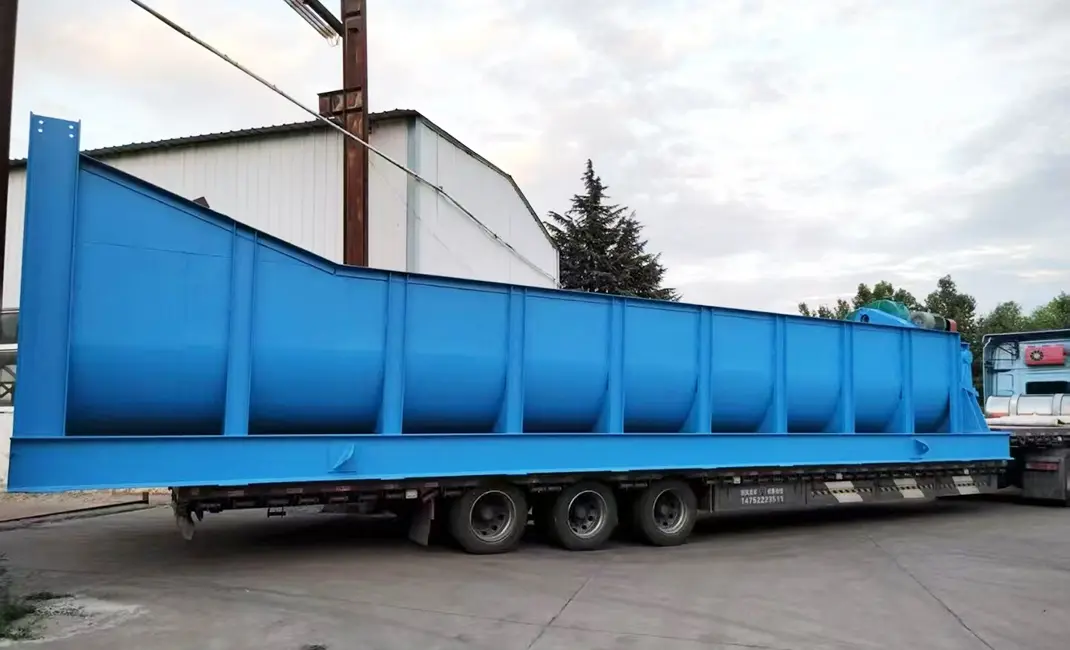
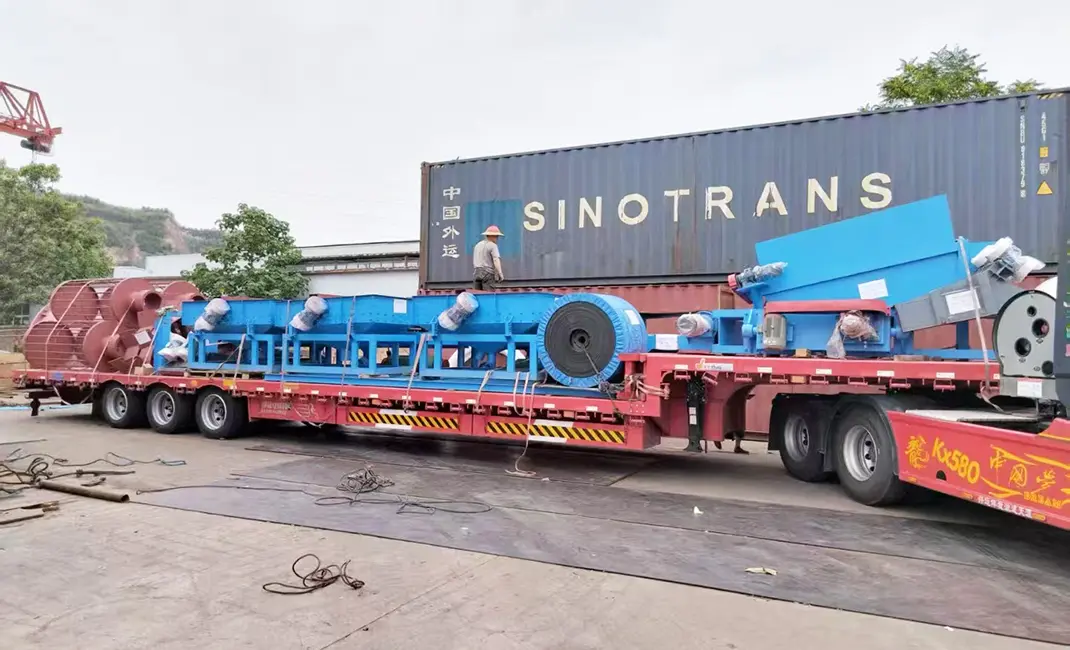
Every casting undergoes Non-Destructive Testing (NDT), including Ultrasonic Testing (UT) and Magnetic Particle Testing (MT). Once certified, the components are machined, assembled, test-run at the factory, and prepared with sea-worthy anti-corrosion packaging for global delivery.

China is home to the most comprehensive heavy machinery and metallurgical supply chains in the world. As a premium Chinese foundry and exporter, Henan Hanhai combines raw material proximity, scaled energy infrastructures, and highly skilled engineering talent to offer uncompromised technical advantages:
Industrial machinery must conform to strict localized electrical, occupational safety, and environmental protection guidelines. When exporting compact crushers and metallurgical assemblies, we work closely with buyers to ensure compatibility and swift regulatory approval:
We supply high efficiency drive motors configured to local grid requirements, ranging from 380V/50Hz throughout Europe and Asia to 460V/60Hz configurations in North America, as well as specialized high voltage motors (6kV/10kV). All electrical cabinets are equipped with IP55 or IP65 ingress protection to prevent dust and water intrusion in harsh quarrying environments.
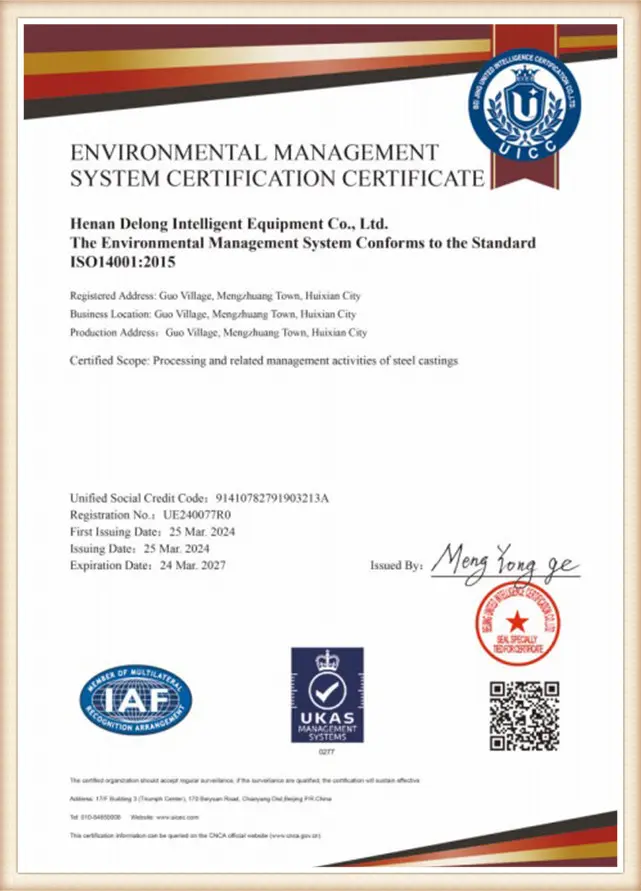
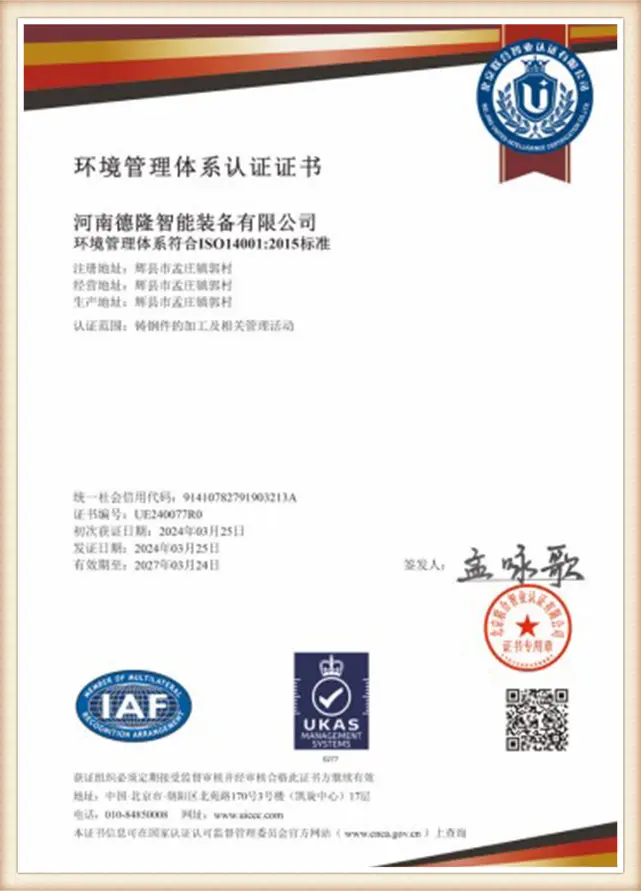
Our manufacturing processes are certified to ISO9001:2015 quality standards. For European and North American projects, we supply equipment with full CE certification. To meet modern dust and noise regulations, we integrate dust suppression water spray rings at the feed intake and discharge points, and provide optional acoustic enclosures for municipal recycling environments.
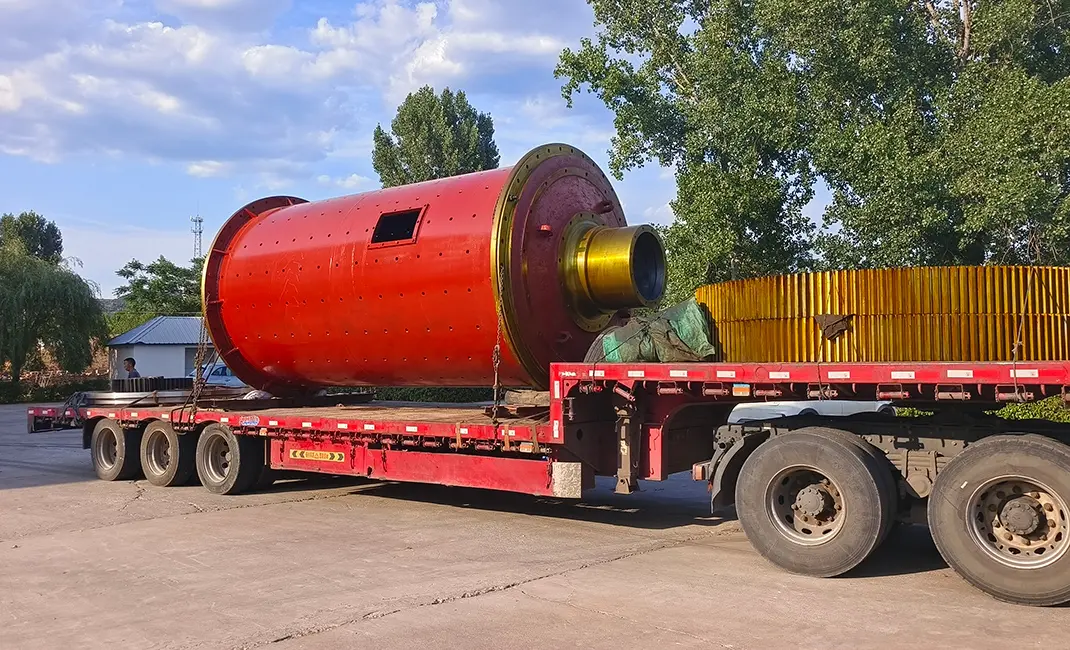
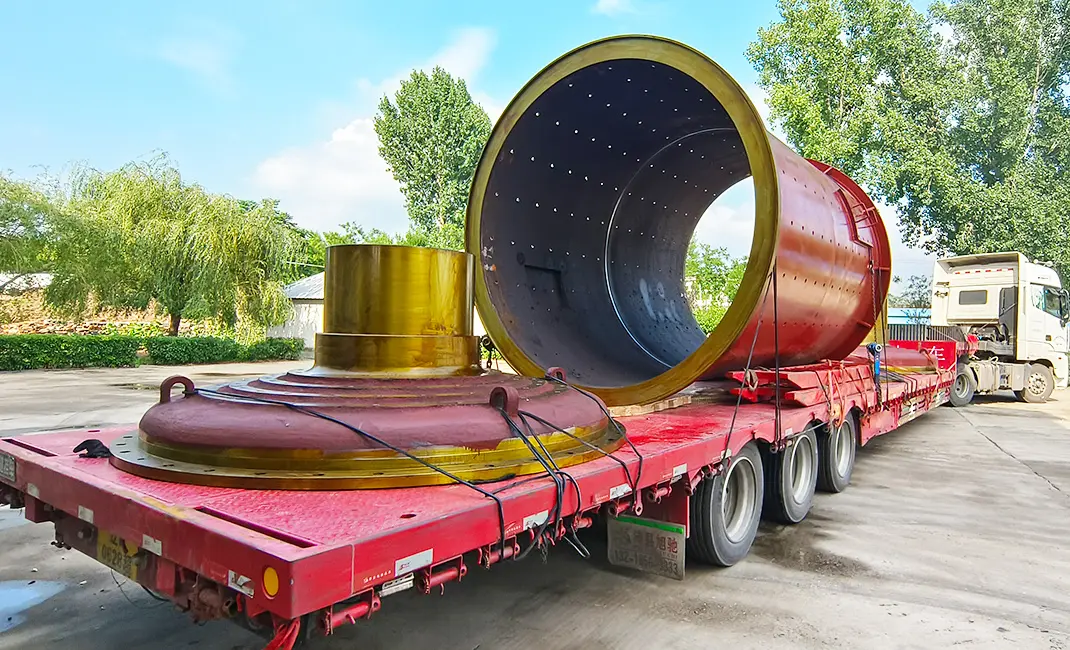
From heavy casting frame assemblies for mineral concentrators to complete compact crushing installations in remote quarries, our engineering solutions operate successfully in the most demanding conditions.
As environmental standards tighten and operating costs rise, several technology trends are redefining the design and operation of compact crushing and casting manufacturing:
Modern compact units are increasingly outfitted with intelligent monitoring sensors. Real-time vibration monitoring, bearing temperature logging, and dynamic hydraulic adjustment systems allow plant operators to prevent catastrophic failures and schedule predictive maintenance.
Rising fuel prices and carbon tax structures are prompting a shift from direct diesel-hydraulic drives to hybrid diesel-electric configurations. Electrified crushing systems offer cleaner onsite operations, lower operating noise levels, and higher motor efficiency.
The foundry industry is actively reducing its footprint. By using recycled metals in clean-burning induction furnaces and recycling sand molds up to 98%, manufacturers like Hanhai produce heavy wear parts with reduced lifecycle emissions.
 Hanhai