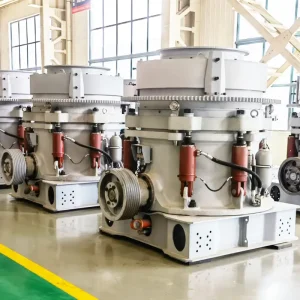
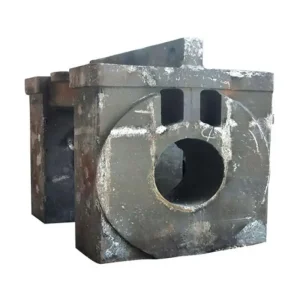
Premium metallurgy casting and crushing equipment from leading global suppliers. Discover customized engineering solutions built to maximize structural stability and operational runtime.
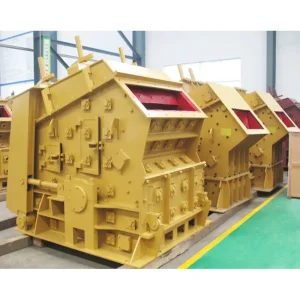
The global heavy machinery sector is witnessing a paradigm shift in size, capability, and efficiency, specifically inside the quarrying, aggregate, and recycling domains. At the core of this transition stands the Horizontal Shaft Impact Crusher (HSI). HSIs represent one of the most productive assets for processing soft-to-medium hard rocks, asphalt, concrete recycling, and industrial slag. Compared with compression crushers, HSIs use high-velocity dynamic impact forces to split feed material along natural geological fault lines, ensuring a superior, highly cubical aggregate product with minimal internal stress fractures.
Today, customized horizontal shaft impact crusher factories are responding to an unprecedented rise in urban infrastructure redevelopment. With natural aggregate supplies depleting globally, secondary raw materials recovered via concrete recycling have become vital. Custom HSIs engineered with heavy-duty cast rotors and high-alloy blow bars are critical in turning rubble into valuable aggregates, reducing the carbon footprint of structural concretes globally. Modern foundries play a key role in supply chains, offering advanced metallurgy capable of resisting extreme abrasive wear and heavy cyclic mechanical loading.

Horizontal Shaft Impact Crusher technology is rapidly advancing towards high-efficiency, micro-alloyed wear parts, and intelligent automation systems.
Modern factories are replacing standard high-manganese cast steel with high-chromium white irons and metal matrix composites (MMC) featuring ceramic inserts. These composite materials provide unmatched wear resistance and fracture toughness, extending the operational life of blow bars by up to 300% under demanding crushing conditions.
Next-generation horizontal shaft impact crushers integrate dynamic vibration sensors, temperature probes on bearing housings, and automated acoustic monitors. These systems gather real-time performance indicators to predict wear-out cycles, prevent catastrophic rotor damage, and optimize feed rates through computerized machine networks.
Hydraulically adjustable aprons allow modern plant operators to modify CSS (closed side settings) on the fly via touch-screen human-machine interfaces (HMIs). Integrated accumulator systems protect the crusher from non-crushable tramp metals by instantly lifting the impact plates and resetting them to original specs without downtime.
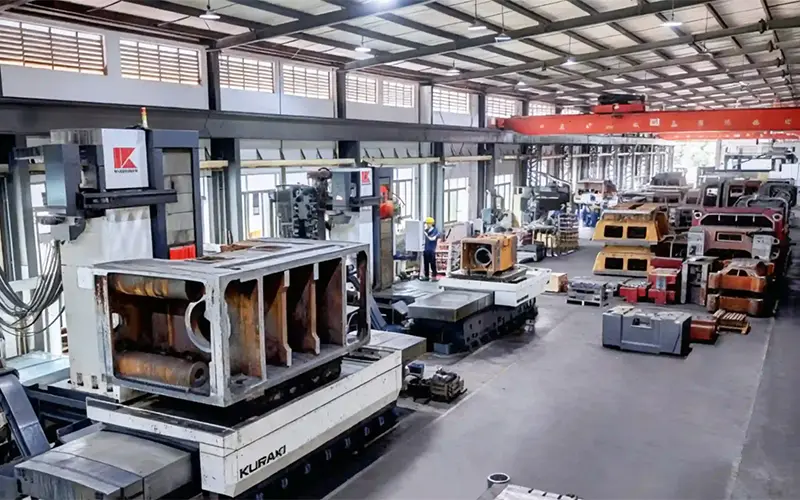
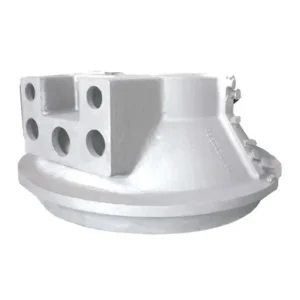
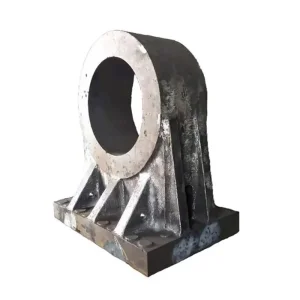
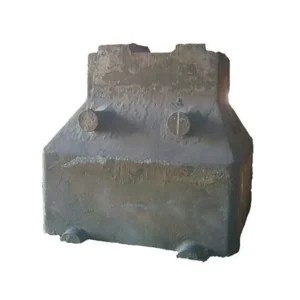
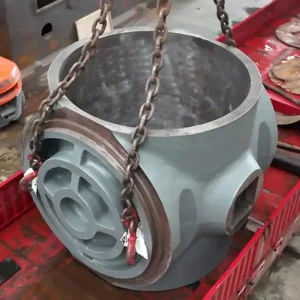
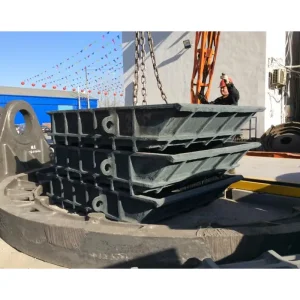
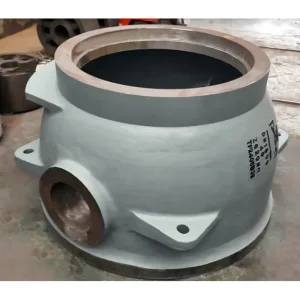
Henan Hanhai Metallurgy Mining International Trade Co., LTD is a leading foundry manufacturer in China, specializing in cast steel and cast iron parts. With advanced production lines and strict quality control, we supply durable castings for mining, metallurgy, power generation, and construction industries worldwide. Our heavy-duty casting capacities are designed to produce highly custom parts tailored for Horizontal Shaft Impact Crushers, including massive rotors, high-chromium blow bars, impact aprons, side liners, and bearing blocks.
By combining design, precise sand casting methods, complex lost-foam molding lines, and advanced mechanical machining operations, we are capable of delivering custom castings that meet the highest international standards. We aim to support our global OEM and aftermarket customers with structural castings that withstand extreme stress and abrasion.
Providing custom, sustainable, and reliable heavy engineering components to optimize resource processing plants worldwide.
To empower global mineral processing and heavy infrastructure industries with precision engineering, advanced metallurgical casting, and sustainable manufacturing excellence.
To stand as the most trusted global foundry and machinery brand, delivering high-performance cast steel and cast iron components that extend service life and improve operation efficiency.
A history of engineering innovation, capacity expansion, and strategic digital transformation in the foundry industry.
Hanhai Casting was established with a focus on heavy steel and iron castings, laying a solid technical and production foundation for global mining equipment builders.
Introduced advanced electric arc melting systems, high-speed molding technology, and expanded casting capacities to serve key international mining, cement, and metallurgy sectors.
Achieved ISO9001 and CE certifications, upgraded our non-destructive testing (NDT) systems, and initiated mass export programs of high-performance crushers and custom structural castings to Asia, Europe, and the Middle East.
Integrated intelligent green foundry systems, digitized quality management, and advanced CNC machining centers to support custom OEM engineering partnerships globally.
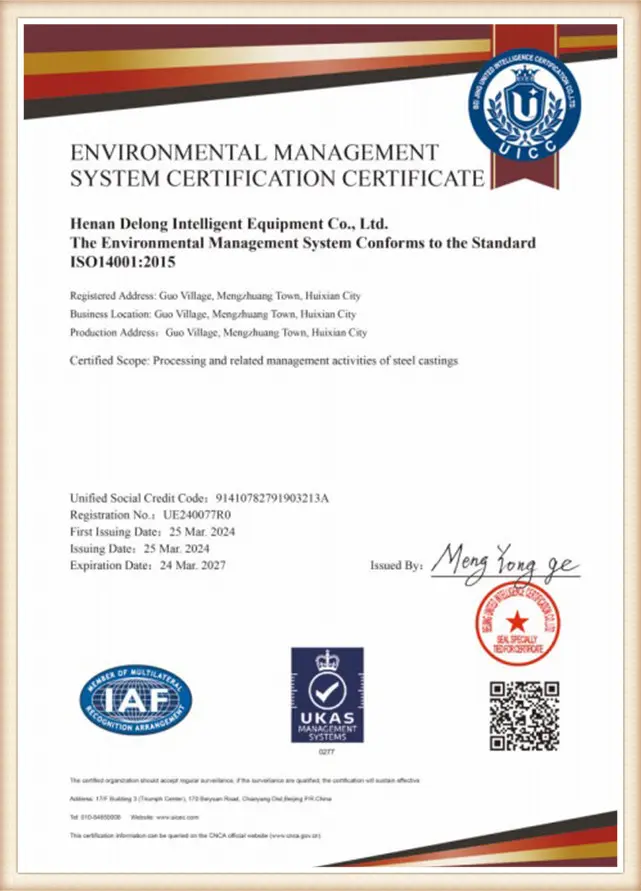
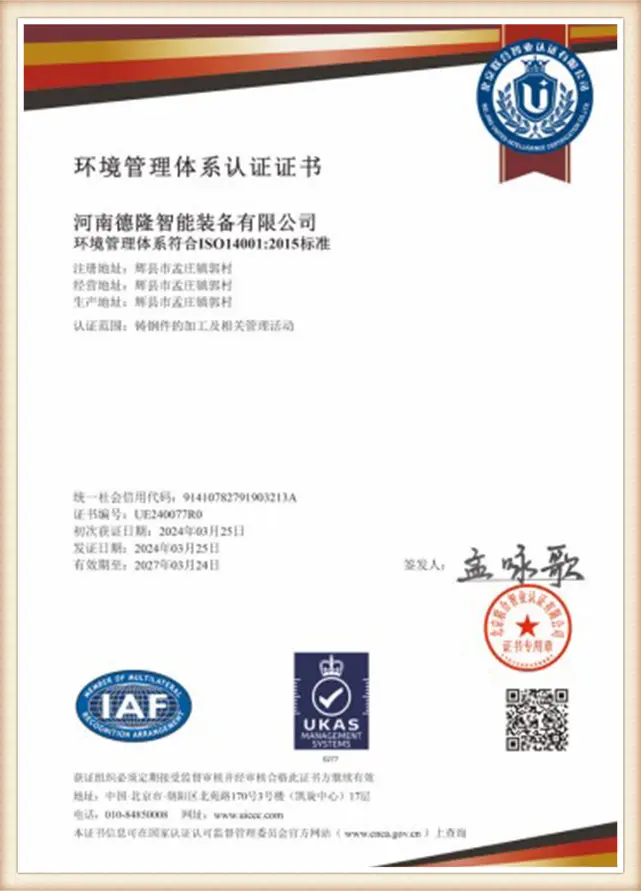
Our casting processes conform to rigorous global quality frameworks, ensuring total reliability and international standards compatibility.

How horizontal shaft impactors are tailored to specific geographical demands, feed compositions, and industrial parameters.
In Europe and North America, HSIs are widely used to recycle concrete, brick, and asphalt. Custom models feature magnetic iron separators, dust-suppression sprays, and reinforced blow bar slots to handle embedded rebar without damaging internal assemblies.
Across Southeast Asia and South America, massive infrastructure projects demand tons of high-grade limestone aggregates. Our custom crushing solutions offer high reduction ratios (up to 15:1) in a single pass, lowering secondary crushing costs and saving energy.
For metallurgic smelting zones in the Middle East and East Asia, custom-cast HSI rotors are built to handle slag processing. Engineered with heat-resistant structural steels and specialized thermal expansion bearing housings, these units maintain continuous uptime in extreme conditions.
A collection of structural casting projects, mining equipment assemblies, and custom-engineered industrial parts shipped globally.
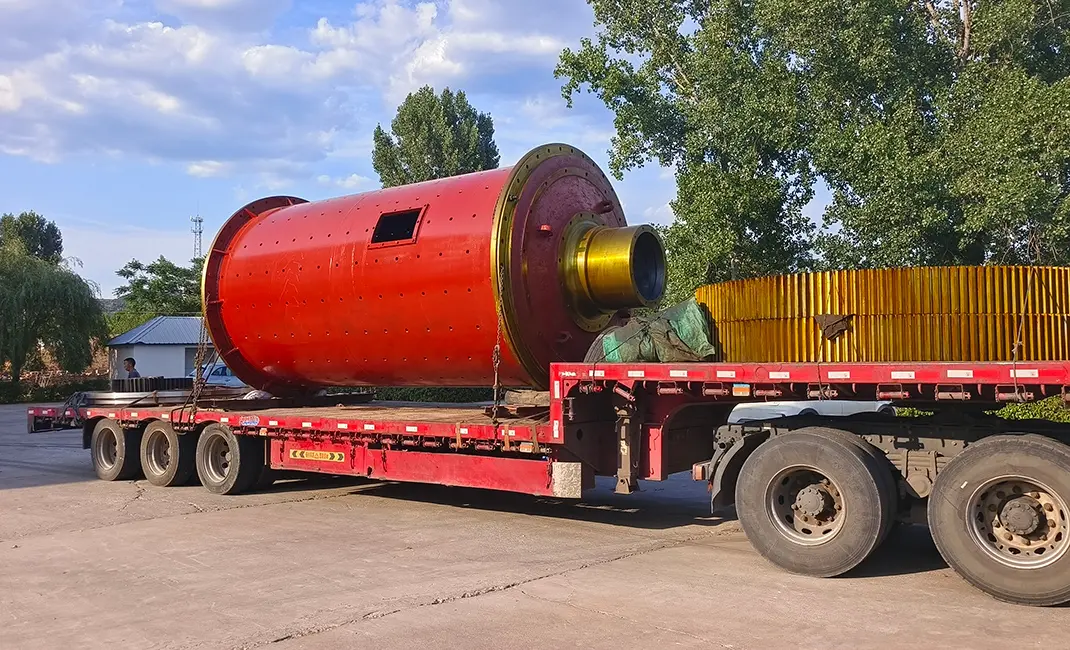
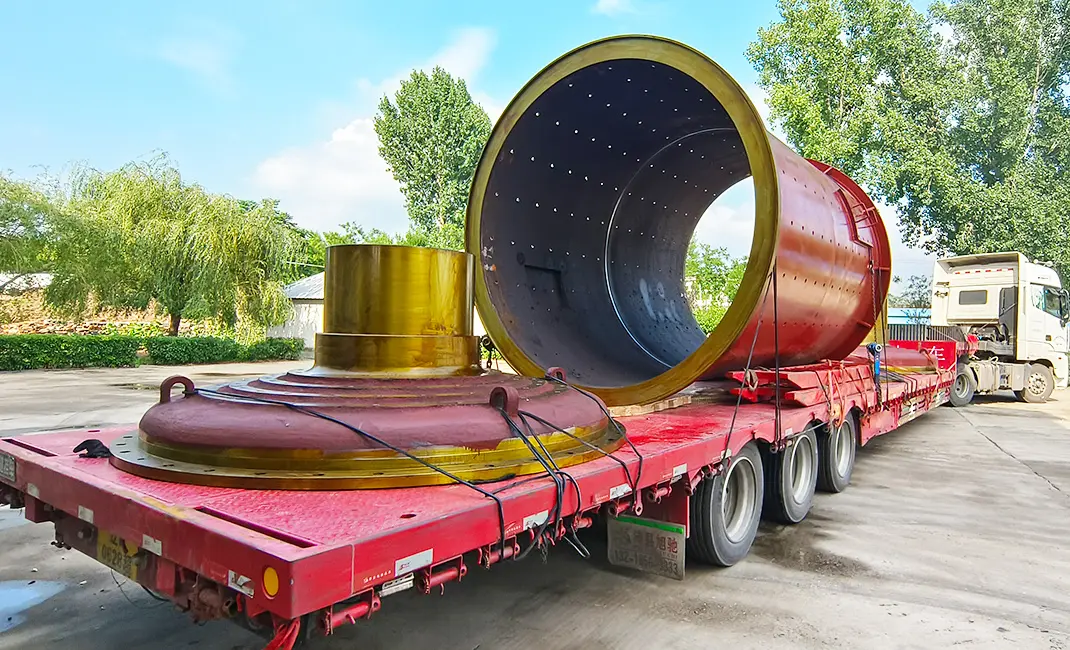
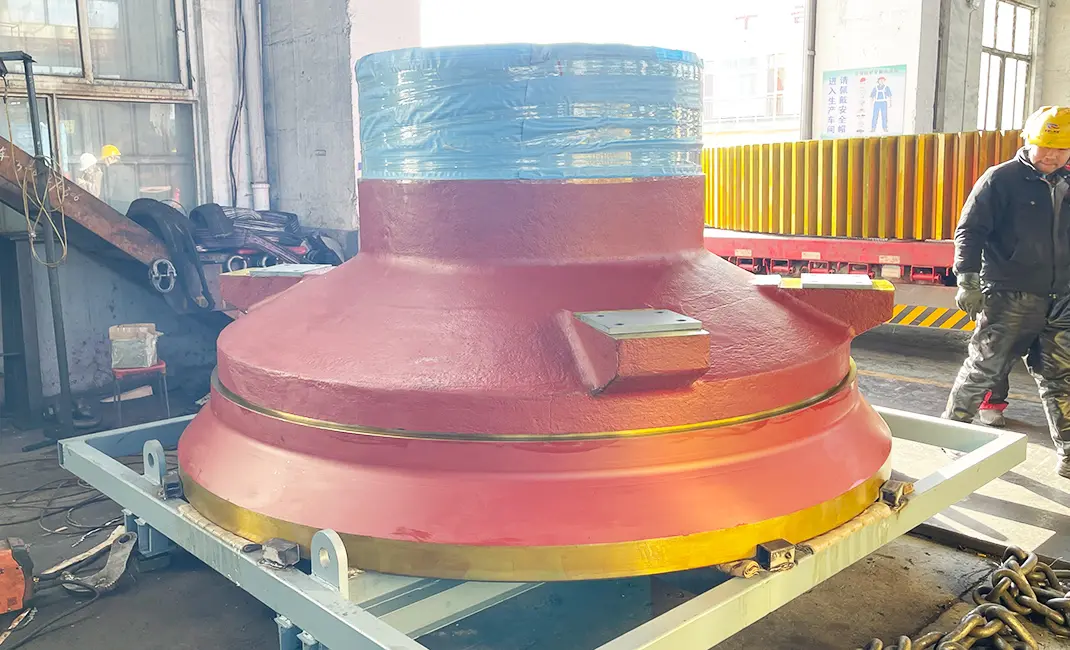
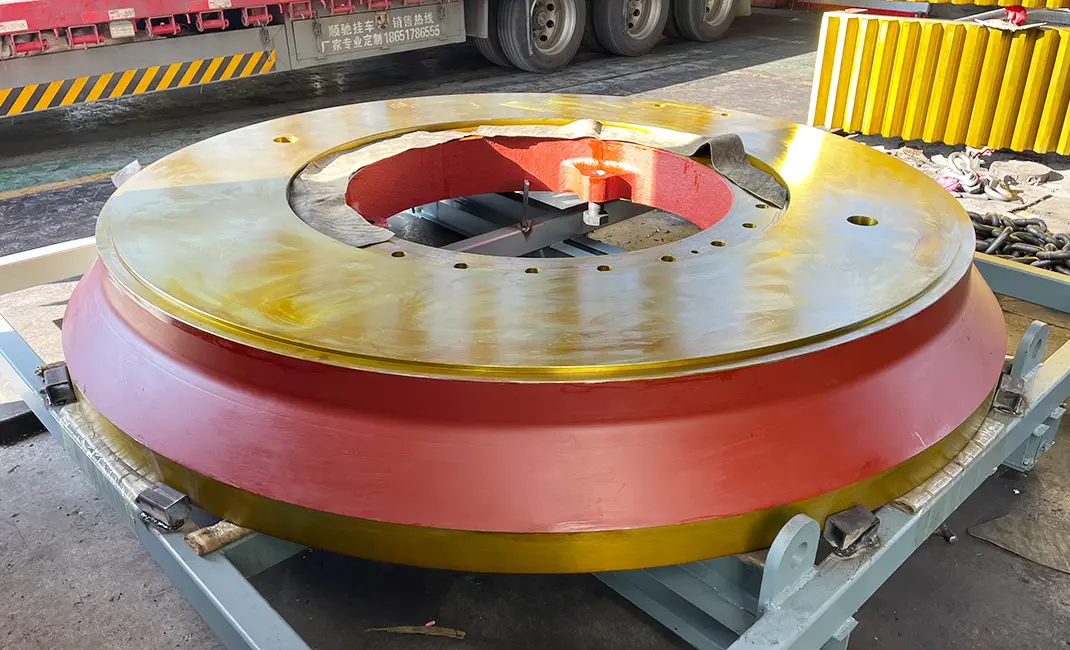
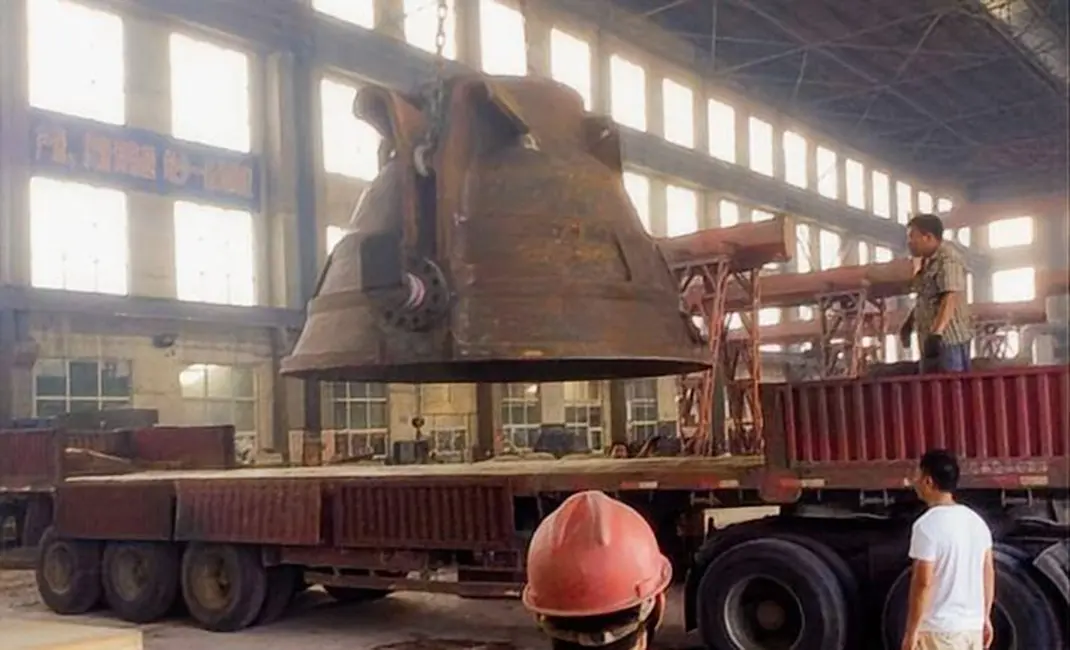
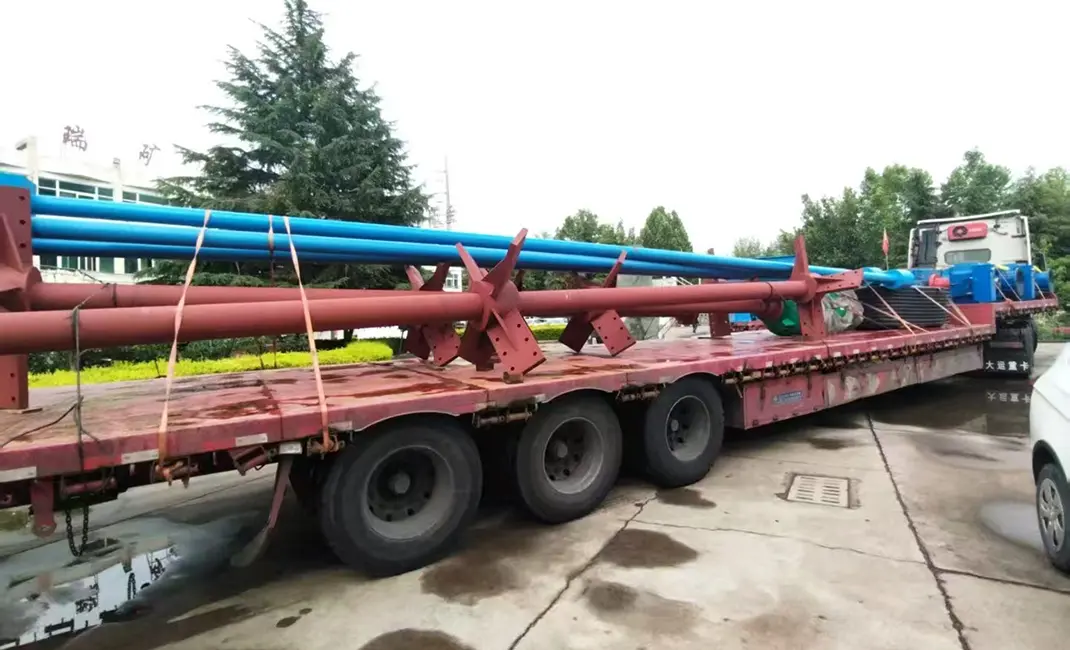
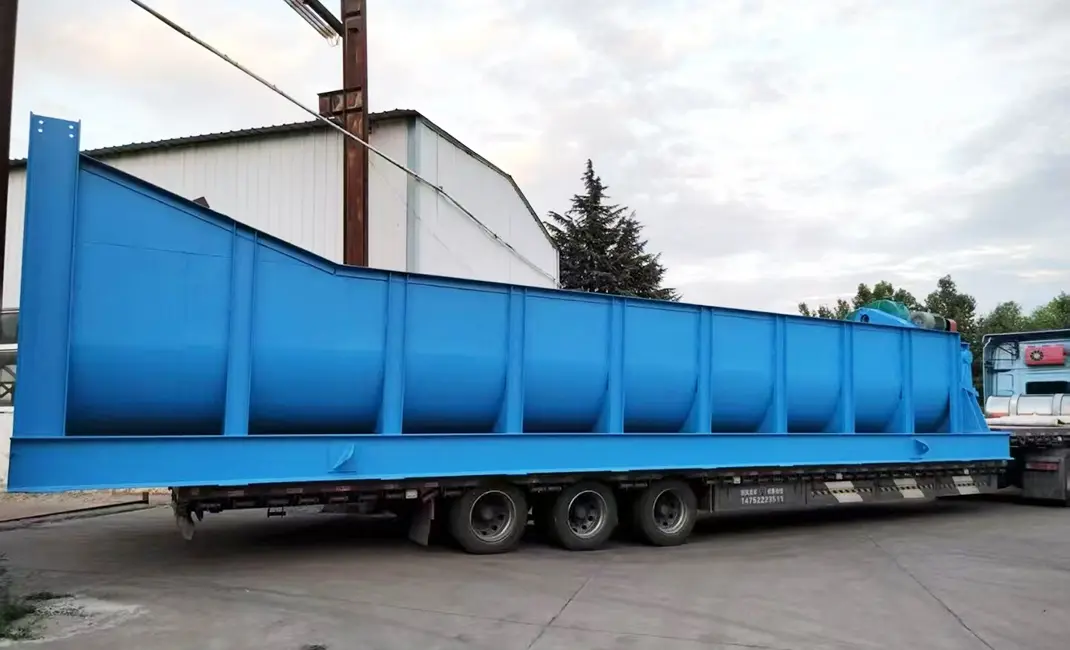
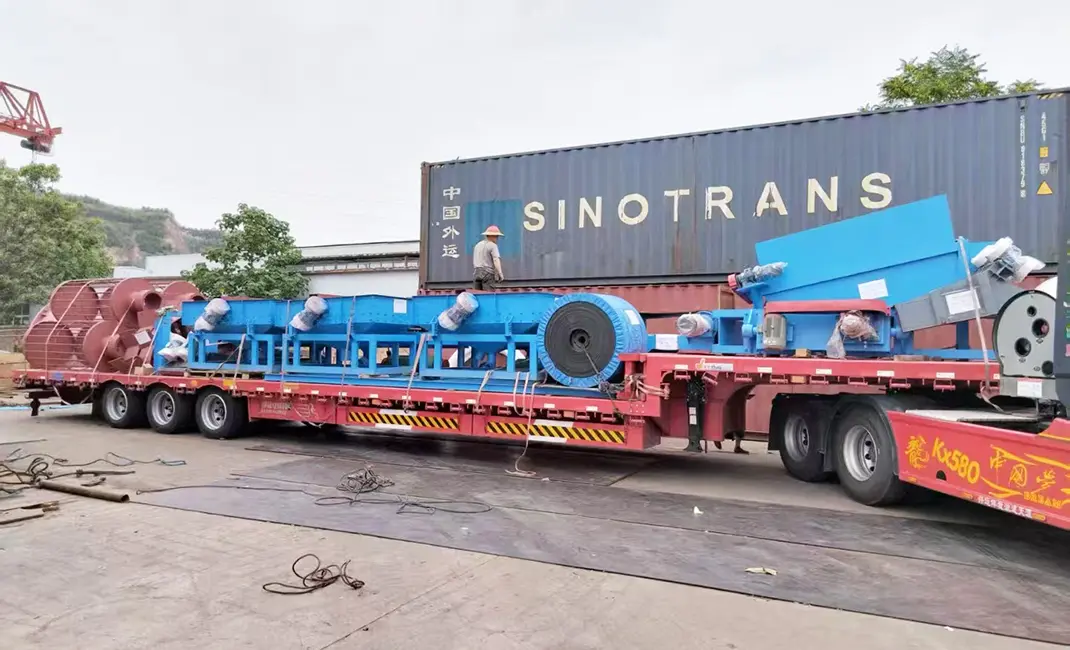
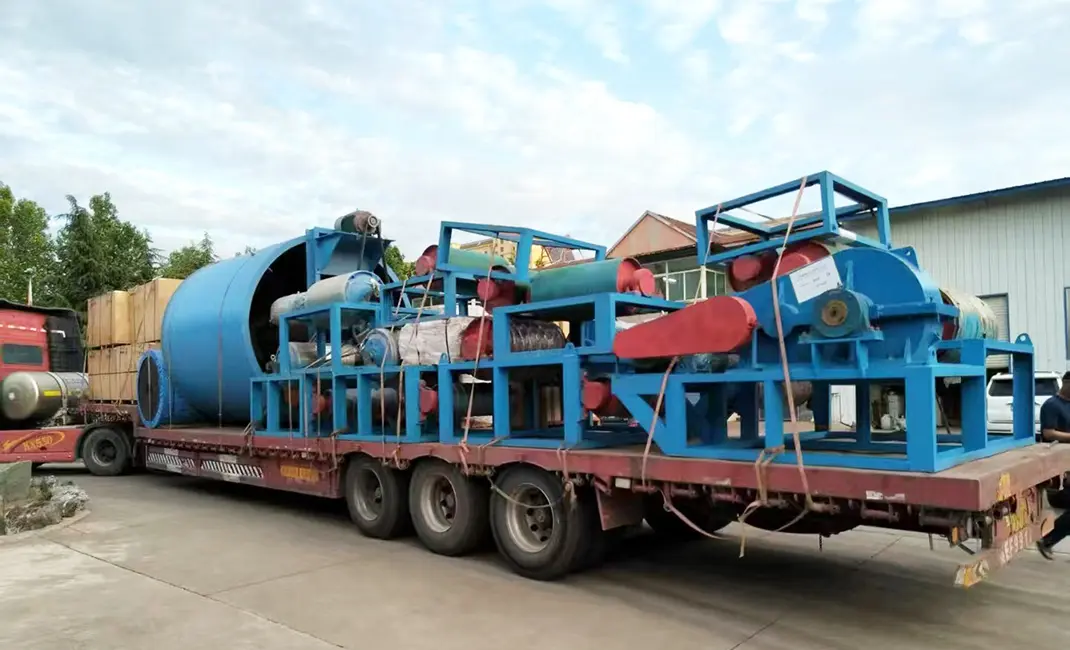
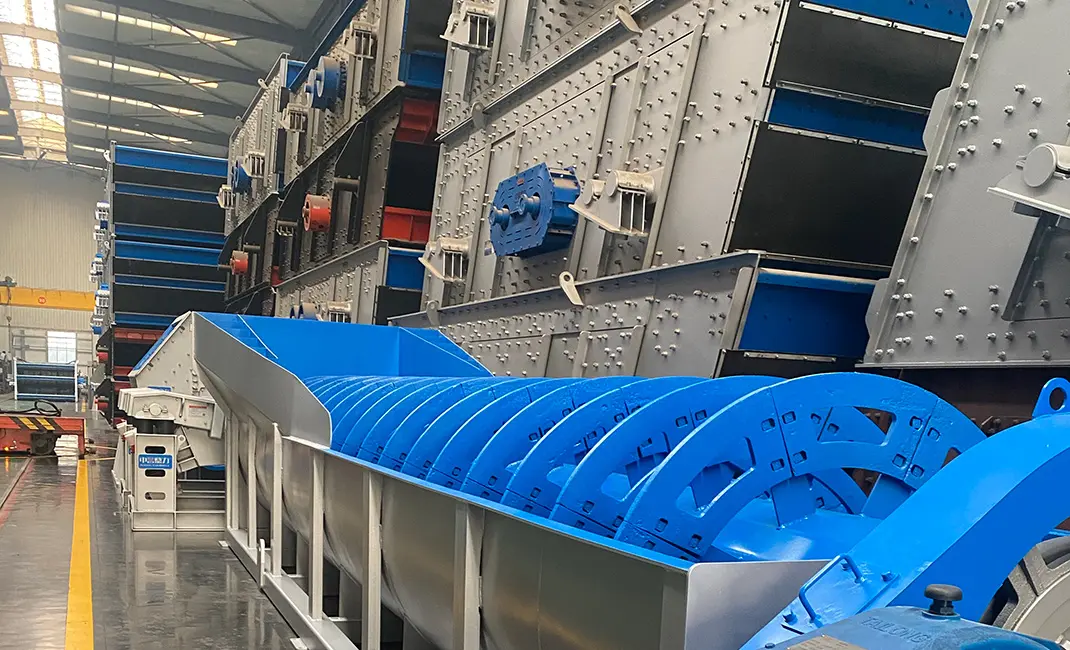
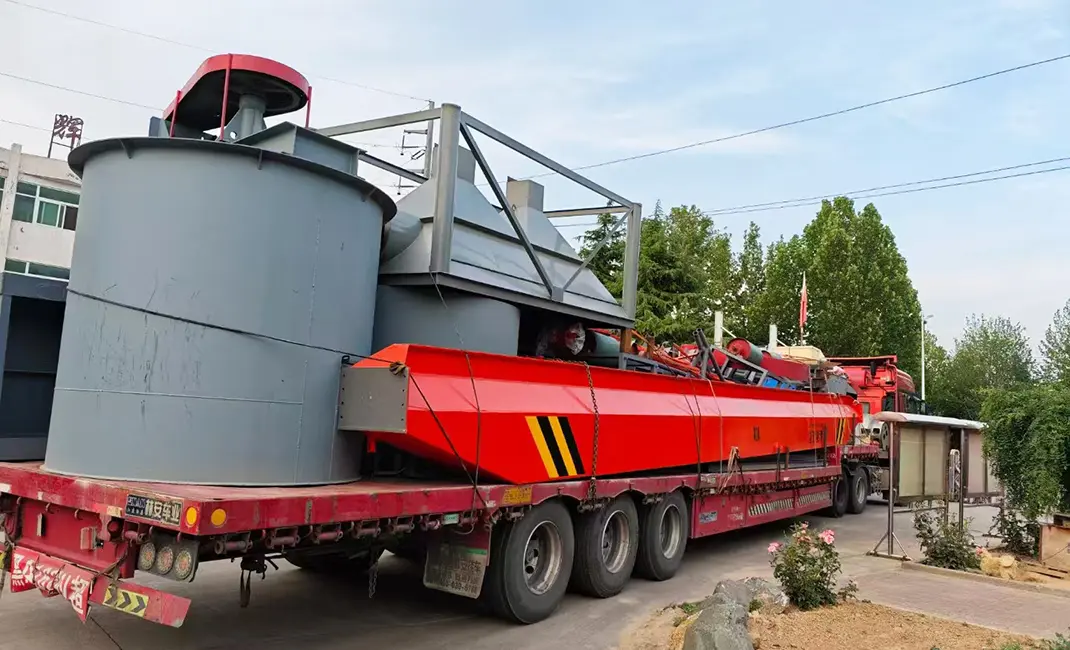
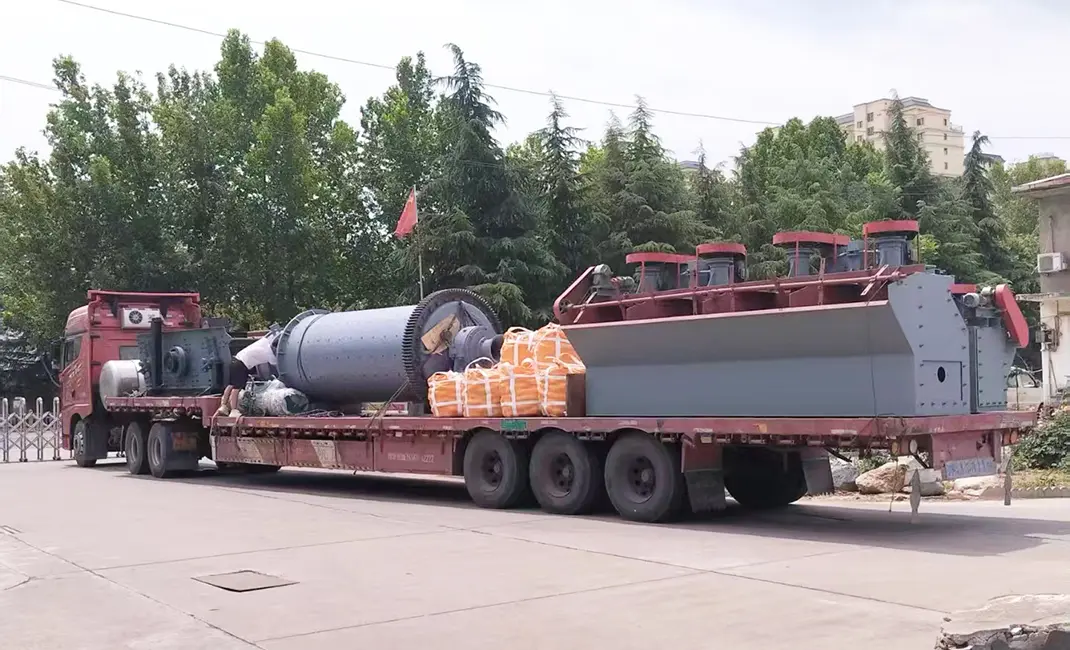
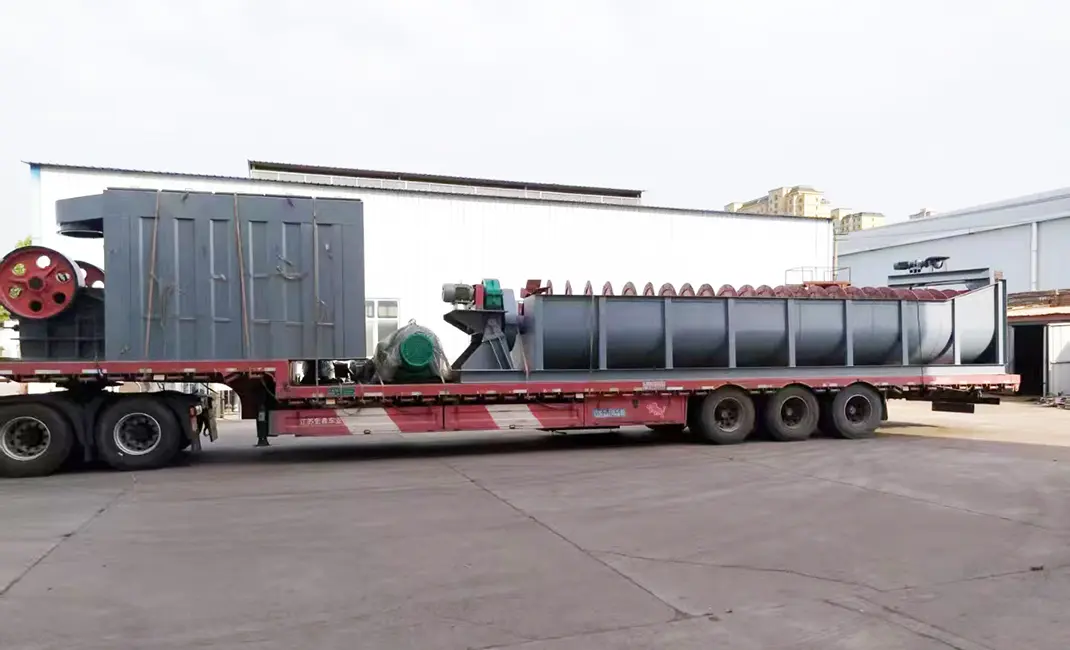

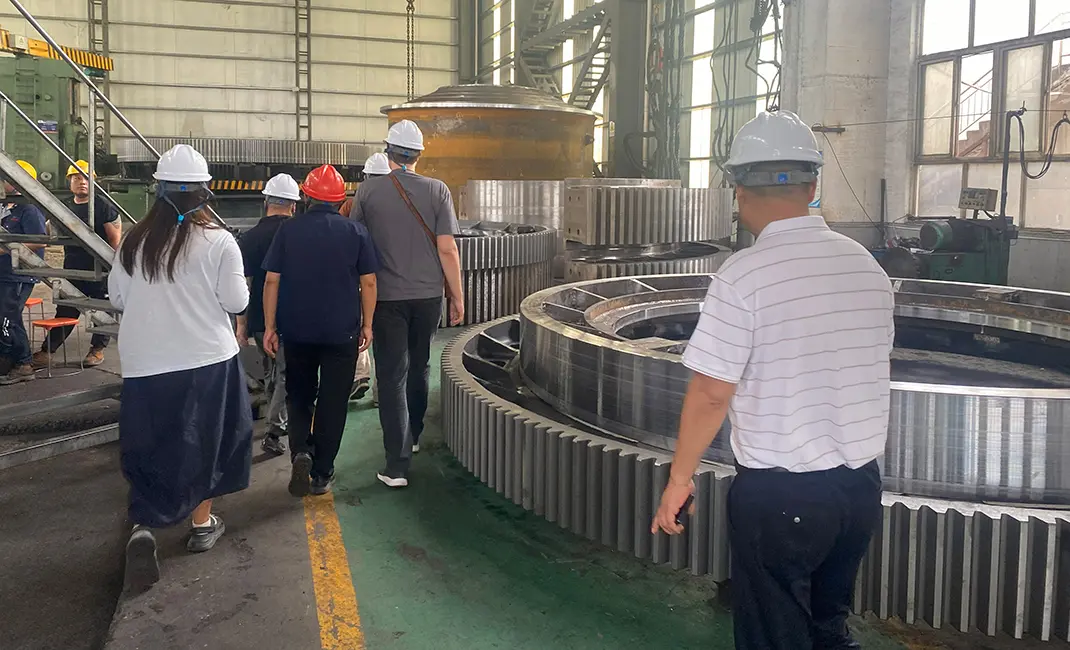
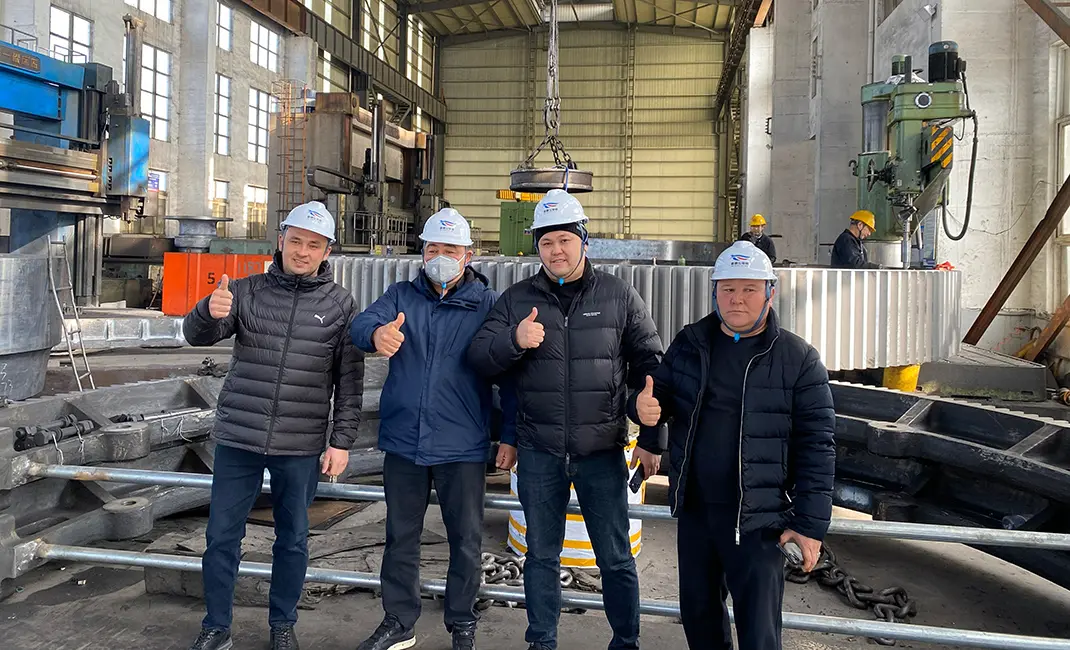
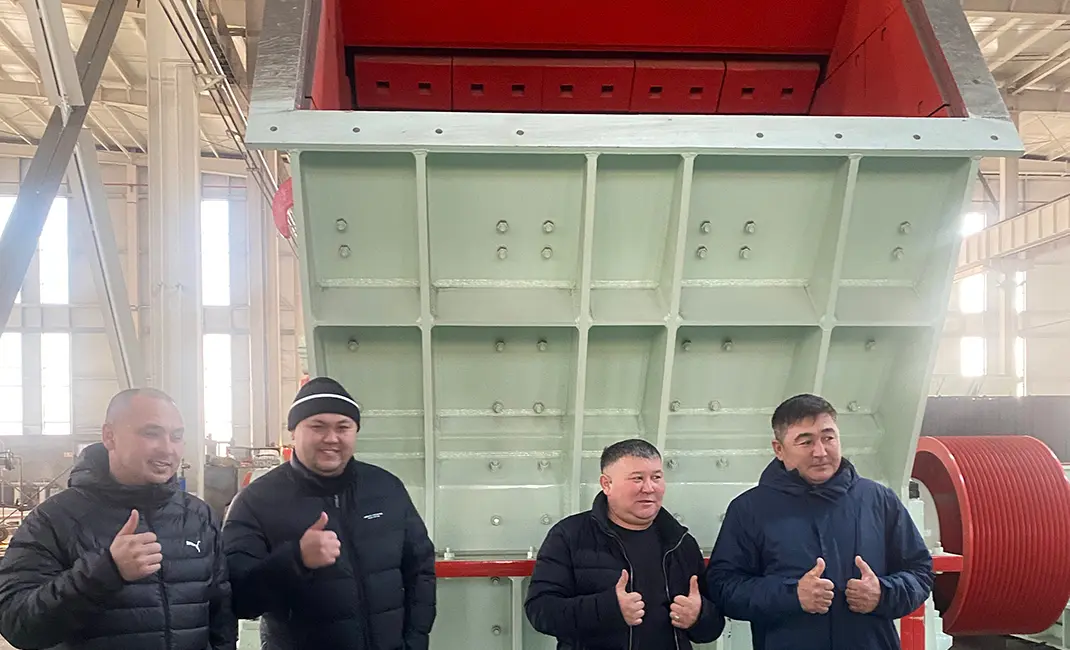
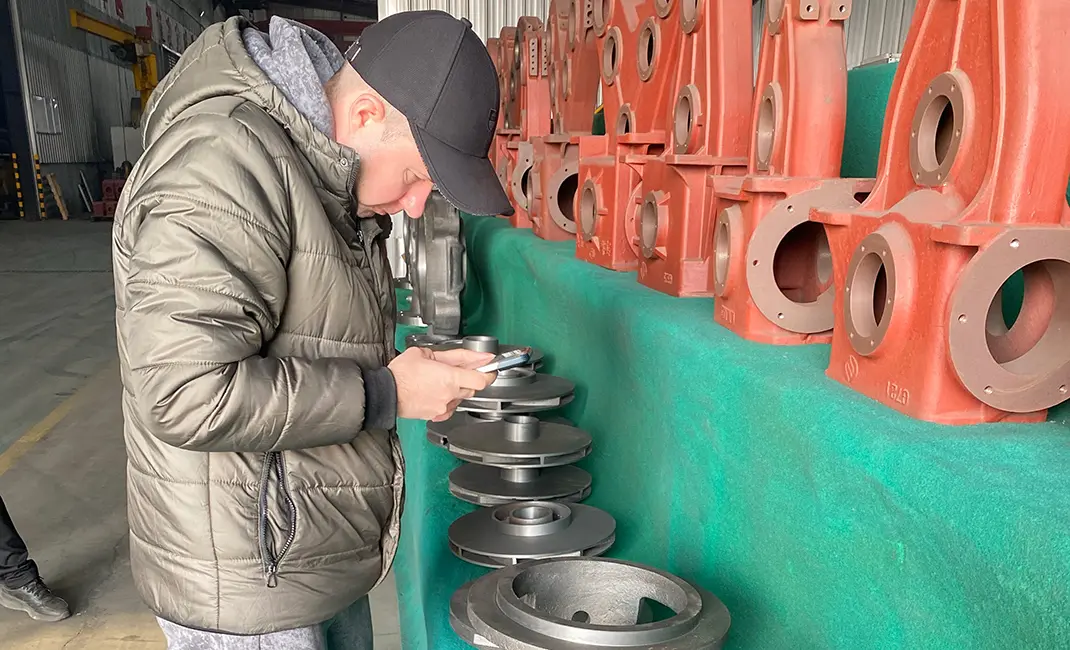
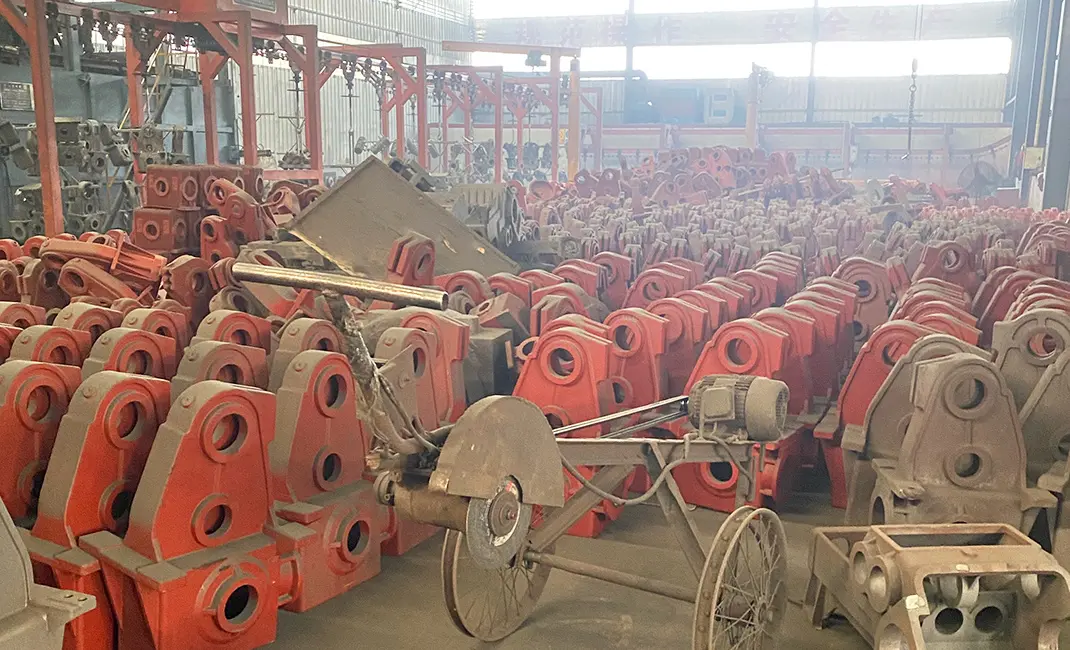
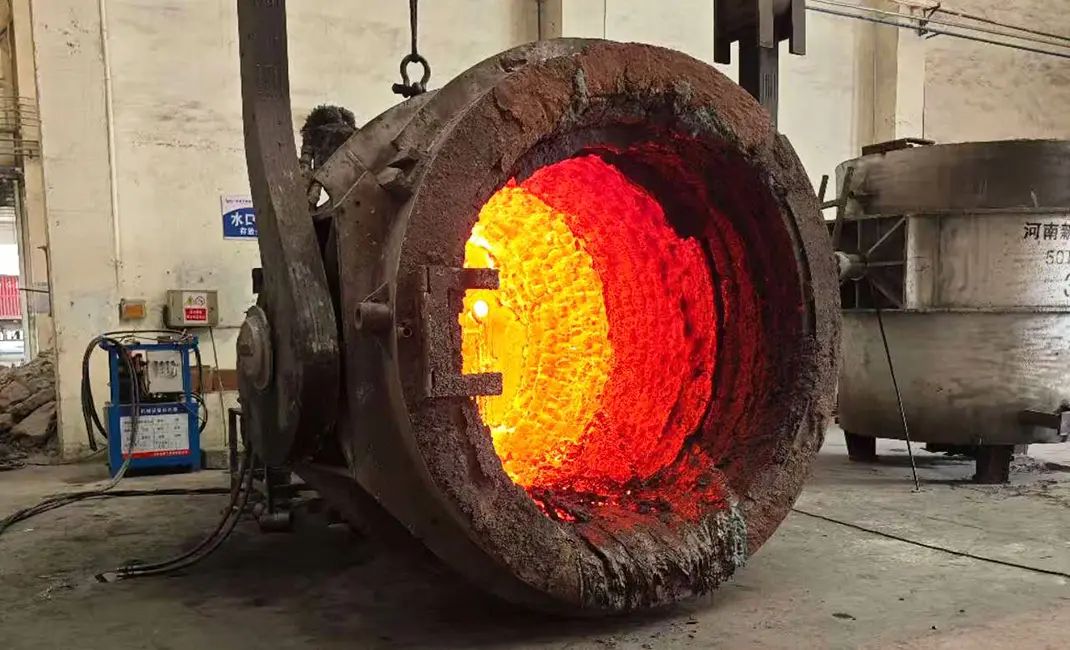
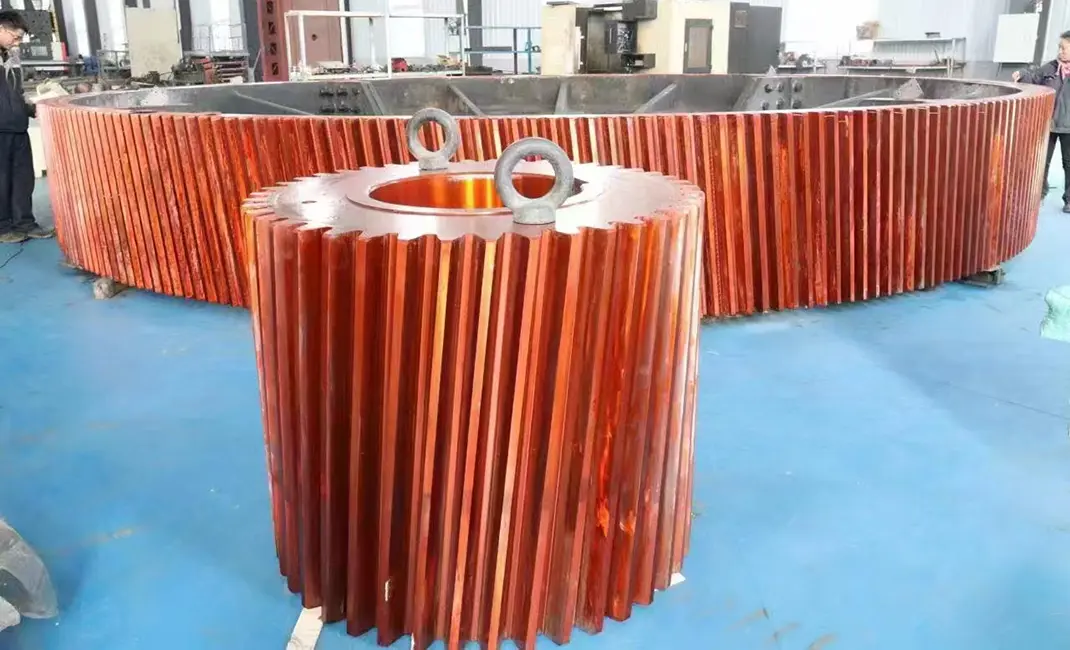
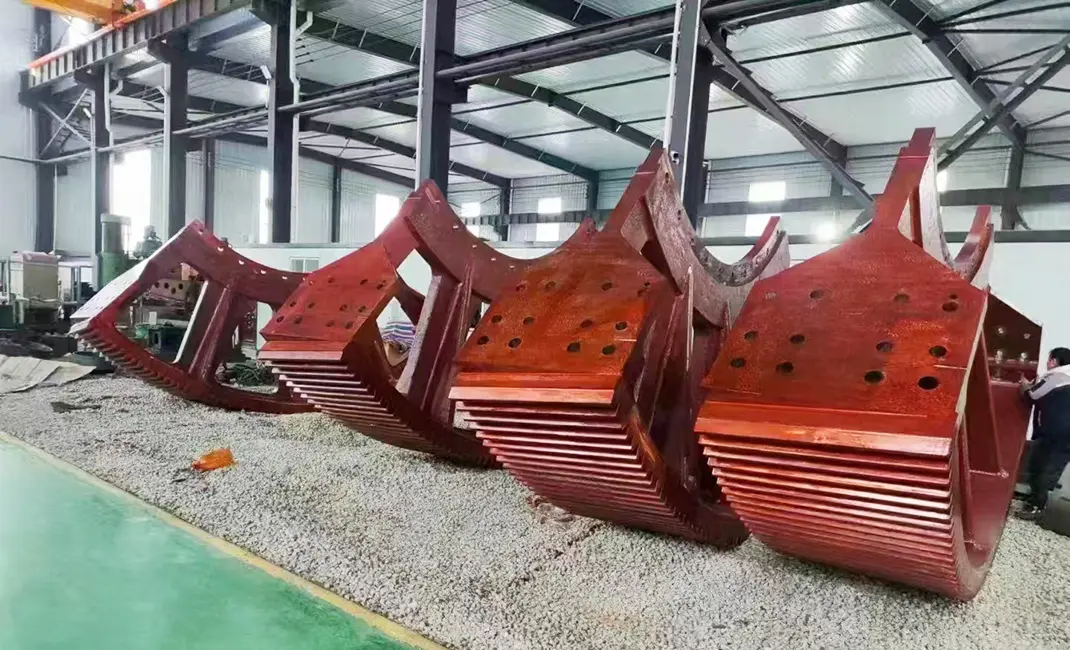
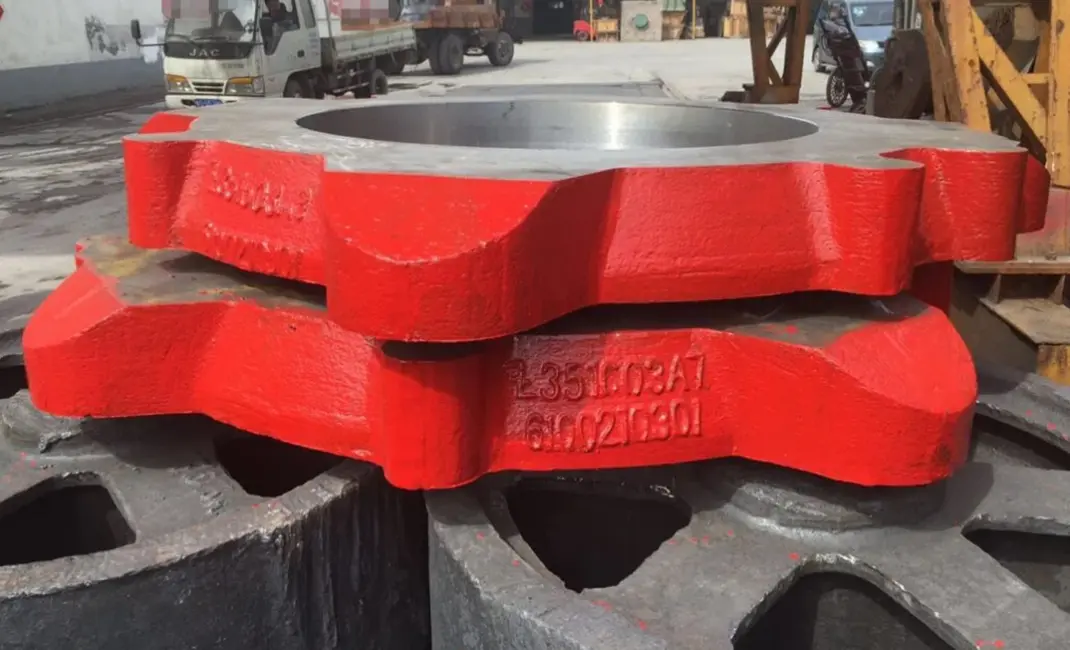
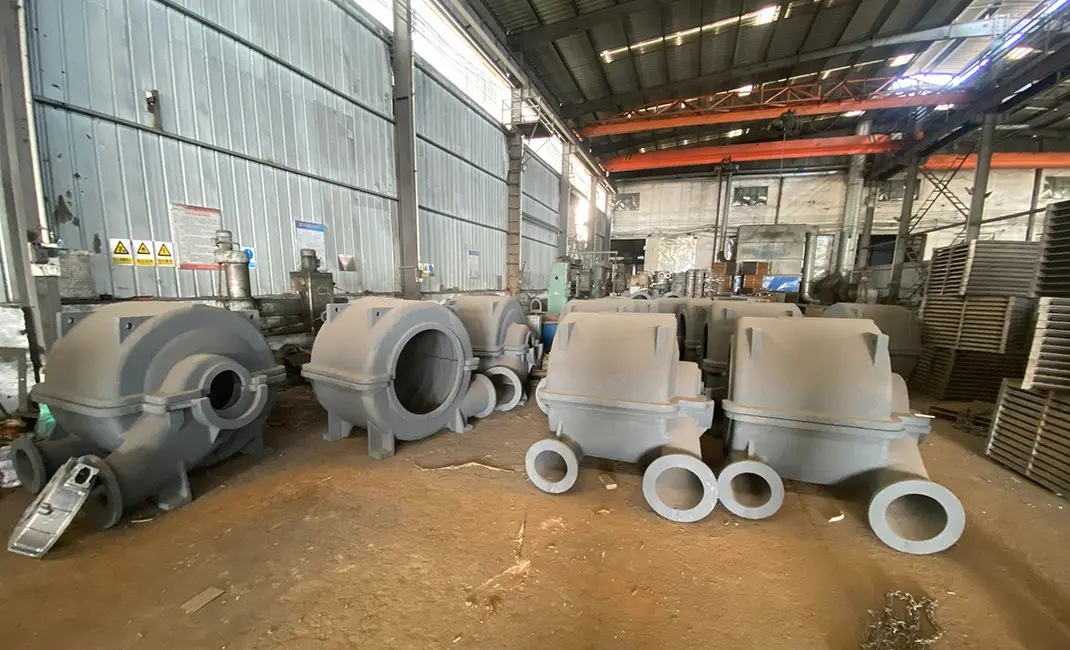
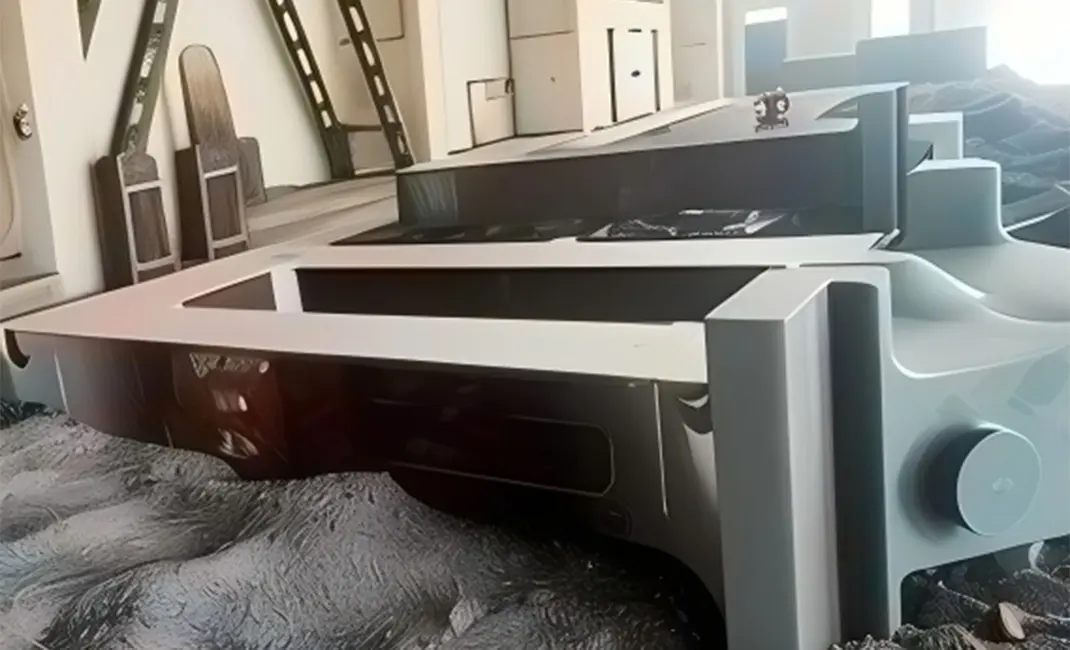
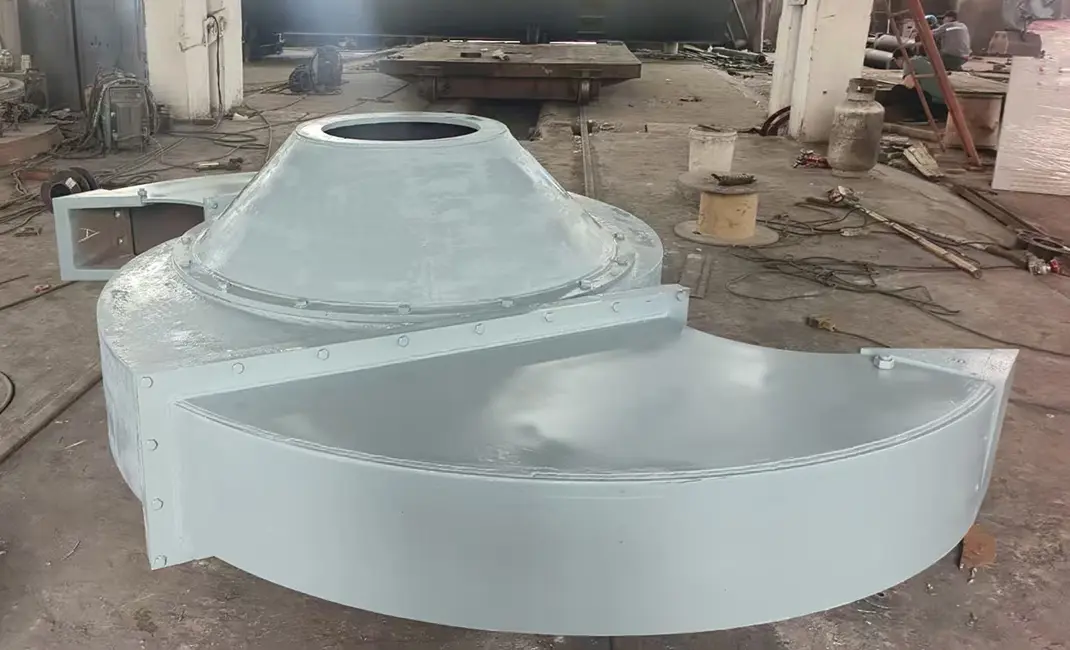
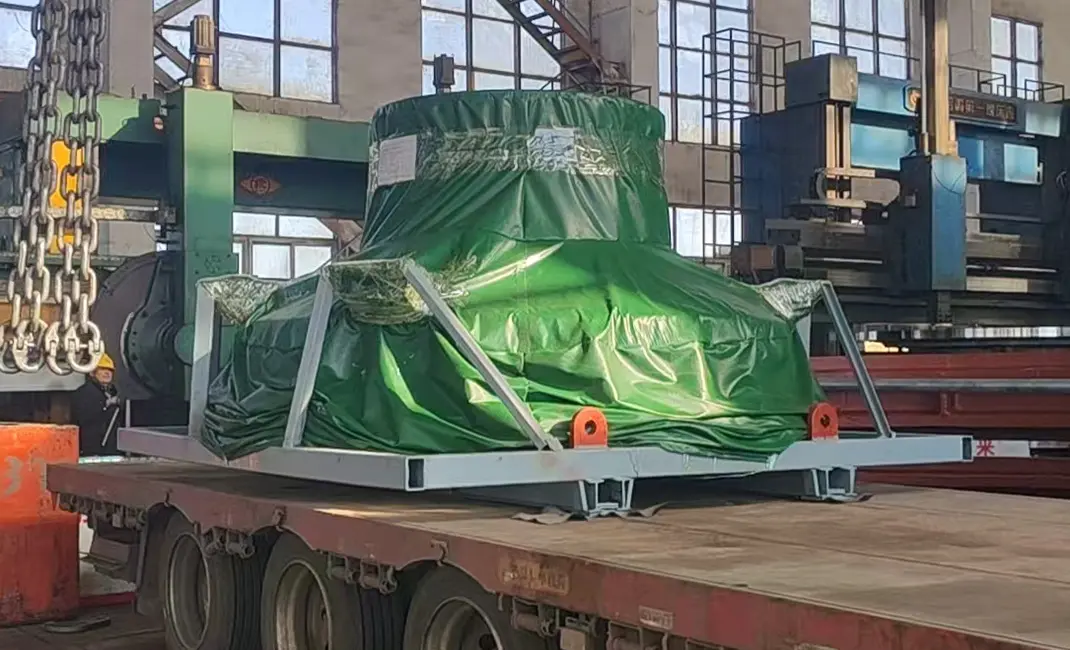
A systematic, transparent process tailored for high-tonnage mining and crushing projects, designed to control quality, limit risk, and guarantee performance.
Understanding client feed characteristics, abrasive indexes, production capacities, and mounting layouts to establish exact design boundaries.
Simulating operational stresses on critical HSI components (rotor body, shaft, blow bars) using virtual modeling to eliminate fatigue risk points.
Creating exact dimensional patterns and employing spectral analysis on steel melts to ensure strict adherence to micro-alloying specifications.
Utilizing high-precision CNC boring mills and performing ultrasonic (UT) and magnetic particle (MT) testing to verify structural soundness.
Balancing manufactured rotors on specialized high-capacity machines to guarantee vibration-free running at high rotational speeds.
Coordinating export packaging, shock-isolated transport framing, and providing on-site commissioning support for immediate operation.
In-depth responses to key engineering questions regarding Horizontal Shaft Impact Crusher operation, metallurgy, and performance optimization.
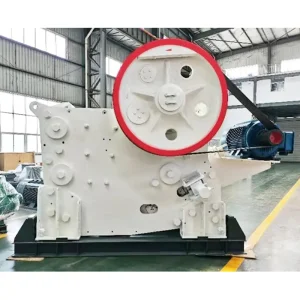
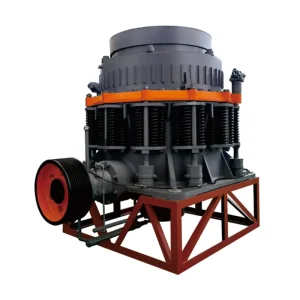
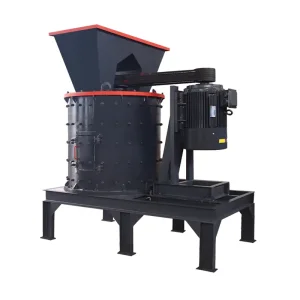
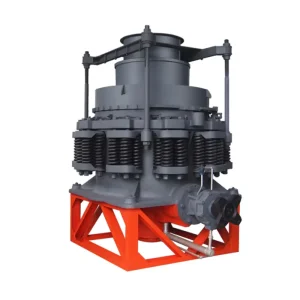
Explore our catalog of cast iron valves, primary jaw crushers, heavy-duty sprockets, and high-performance spring and cone crushing machinery.
 Hanhai