In the competitive landscape of metallurgical equipment, China occupies a vital role. Leading experts recognize the significance of quality and reliability in this industry. John Smith, a metallurgical engineering expert at Global Metallurgy Solutions, emphasizes, "Choosing the right metallurgical equipment supplier can make or break your operation."
Chinese suppliers are known for their innovative technologies. They offer a range of products from furnaces to conveyors. However, not all suppliers guarantee the same quality. Some may excel in design, yet falter in durability. It's essential for global buyers to carefully assess their options.
Additionally, the rise of digital platforms has reshaped how these suppliers operate. While this offers convenience, it also introduces challenges in verifying the authenticity of suppliers. Buyers should prioritize due diligence when selecting partners. Evaluating past customer experiences can provide insight into a supplier's reliability in the metallurgical equipment sector.
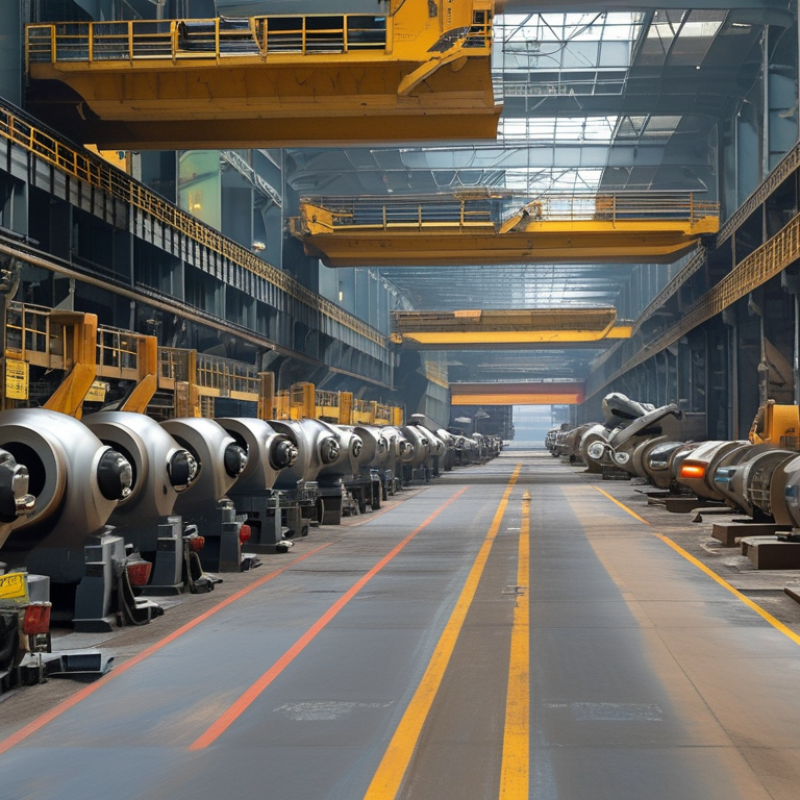
The global demand for metallurgical equipment is undergoing significant transformation. According to a report by ResearchAndMarkets, the metallurgical equipment market is projected to reach USD 25 billion by 2026, growing at a compound annual growth rate (CAGR) of 4.5%. This evolution reflects an increasing necessity for advanced machinery in industries such as steel production, foundries, and metal processing. Automation and energy efficiency are key drivers behind this growth, as buyers seek to enhance productivity while minimizing their carbon footprint.
In emerging economies, particularly in Asia Pacific, the demand for metallurgical equipment is surging. China remains the largest consumer, driven by rapid industrialization and infrastructural development. An estimated 68% of global metallurgical machinery is produced in Asia, indicating a concentration of supply capabilities. However, there are challenges. Supply chain disruptions and fluctuations in raw material costs pose risks to both manufacturers and buyers. Quality concerns also arise, leaving buyers to navigate a complex landscape of options to ensure reliability and performance.
This dynamic market requires global buyers to stay informed about trends and technological advancements. For instance, the integration of IoT in metallurgy equipment is gaining traction, enabling real-time monitoring. However, the transition towards smarter solutions can be daunting. Companies must balance the cost of innovation with the expected return on investment, which necessitates careful consideration. The metallurgical equipment sector is vast but not without its intricacies, and stakeholders must remain vigilant amid shifting demands.
When selecting metallurgical equipment suppliers from China, several key characteristics distinguish quality providers from the rest. First, a solid track record is essential. Suppliers with years of experience in the industry can navigate the complexities of metallurgy and provide reliable solutions. Reports indicate that over 70% of successful projects are delivered by companies with more than a decade of experience. This experience fosters a deep understanding of client needs and market trends.
Another critical characteristic is a commitment to quality assurance. Quality management systems, such as ISO 9001 certifications, show a supplier's dedication to maintaining high standards. Approximately 65% of buyers prefer suppliers that consistently demonstrate rigorous quality control processes. However, certain suppliers may face challenges, highlighting the need for ongoing audits and assessments to ensure compliance.
Innovation in design and technology is also vital for suppliers. A focus on research and development often leads to more efficient equipment, reducing operational costs. Statistics reveal that companies investing in R&D typically experience a 20% improvement in machine performance. Nevertheless, not all suppliers prioritize technological advancements, indicating an area for potential growth and exploration for global buyers.
Choosing the right metallurgical equipment supplier in China requires careful consideration. Focus on the supplier's
experience in the industry. Companies with a long history often have refined processes and better technologies. Look for suppliers who have
successfully completed international projects. This indicates their ability to meet global standards.
Check the suppliers’ certifications and quality control measures. Certifications like ISO demonstrate adherence to
quality management standards. A reliable supplier should also offer transparent quality assurance processes. This transparency can help build trust and ensure you
receive products that meet your specifications.
Tips: Always request references from past clients. These can provide insights into the supplier's reliability. Additionally, consider visiting
suppliers' facilities if possible. Observing their operations firsthand gives you a better understanding of their capabilities. Don't forget to gauge their
responsiveness during the inquiry phase. Fast and informative responses can be a good indicator of their customer
service approach.
China is recognized as a global leader in metallurgical equipment manufacturing. The country’s investments in advanced technology and skilled workforce have solidified its position in the market. According to industry reports, China's metallurgical equipment market is projected to reach $47 billion by 2025. This growth underscores the demand for efficient and innovative solutions in metallurgy.
Several notable Chinese companies have emerged as key players in this sector. They specialize in providing equipment for steel production, metal processing, and casting. Many of these manufacturers focus on research and development. They aim to innovate and improve operational efficiency. Reports indicate that the average annual growth rate in this sector could reach 8% over the next five years. However, challenges remain. There is a need for companies to ensure sustainable practices alongside technological advancement.
Quality assurance and reliability are essential for global buyers. Companies must adapt to international standards. This transition can be slow and requires investments in both technology and personnel training. Some firms struggle with consistency in quality. Addressing these gaps is crucial for maintaining competitiveness in the global market. Ultimately, the future of metallurgical equipment in China hinges on balancing innovation with quality and sustainability.
| Company Location | Year Established | Specialized Equipment | Export Markets | Certification |
|---|---|---|---|---|
| Beijing | 2001 | Steel Rolling Mill Equipment | North America, Europe | ISO 9001 |
| Shanghai | 1995 | Foundry Equipment | Asia, Africa | CE |
| Wuhan | 1988 | Heat Treatment Equipment | South America, Oceania | API |
| Xi'an | 2005 | Metallurgical Furnaces | Europe, Middle East | ISO 14001 |
| Hangzhou | 2010 | Continuous Casting Machine | North America, Asia | OHSAS 18001 |
Technological innovations play a crucial role in the metallurgical equipment supply chain. Advanced automation and artificial intelligence have transformed manufacturing processes. According to a recent report, over 70% of companies in the sector are now adopting smart technologies. This shift enhances productivity and reduces operational costs significantly.
Data from industry analyses show that innovations such as 3D printing and IoT integration are revolutionizing equipment manufacturing. These technologies enable real-time monitoring and predictive maintenance, leading to longer equipment lifespans. However, amid these advancements, some suppliers struggle to keep up, facing challenges in workforce training and adaptation.
Moreover, the emphasis on sustainability is reshaping the metallurgical equipment landscape. A study found that around 56% of buyers now prioritize eco-friendly solutions. Suppliers must rethink their strategies to meet this demand. While many are investing in greener technologies, the path to achieving comprehensive sustainability can be complex and lengthy. Industry leaders need to balance innovation with operational capabilities to remain competitive.
: The market is projected to reach USD 25 billion by 2026, growing at a CAGR of 4.5%.
The Asia Pacific region, particularly China, is experiencing significant growth due to industrialization.
Supply chain disruptions and fluctuating raw material costs pose risks for manufacturers and buyers.
Suppliers with over a decade of experience have a higher success rate, ensuring reliability and understanding market needs.
ISO 9001 certification shows a supplier’s commitment to quality assurance and rigorous control processes.
Suppliers focusing on R&D can achieve better efficiency and reduce operational costs, enhancing machine performance.
It allows real-time monitoring, improving efficiency but requiring a balance between cost and return on investment.
Some suppliers may struggle with quality management, emphasizing the need for ongoing audits and assessments.
Buyers look for innovation in design and technology that can lead to improved machine performance.
Buyers must navigate quality concerns and performance reliability when choosing among varied suppliers.
The demand for metallurgical equipment in global markets is rapidly increasing, driven by advancements in technology and the need for more efficient production processes. Quality suppliers exhibit key characteristics such as reliability, innovation, and robust customer service, which are crucial for meeting the rigorous demands of the industry.
When selecting top metallurgical equipment suppliers from China, buyers should consider essential criteria, including product quality, technological capabilities, and past performance in the field. Notable Chinese companies are making significant strides in metallurgical equipment production, placing an emphasis on technological innovations that enhance the efficiency and effectiveness of their offerings. As the industry evolves, the integration of cutting-edge technology is becoming increasingly vital to staying competitive in the global market for metallurgical equipment.
Hanhai