Choosing the right Impact Crusher is crucial for any project. With various models available, it can be overwhelming. Each type serves different purposes and industries. Understanding your specific needs is vital to making an informed decision.
One must consider factors such as material type and desired output size. For instance, harder materials need more robust crushers. Recognizing these details can lead to better efficiency and performance. Additionally, maintenance requirements can vary significantly among models. Some may need frequent checks, while others are more low-maintenance.
It is essential to evaluate your budget as well. Investing in a high-quality Impact Crusher often pays off. However, cheaper options might seem appealing but could lead to long-term issues. Reflect on your choices, and don't rush the process. Taking the time to analyze each aspect can ensure a successful purchase.
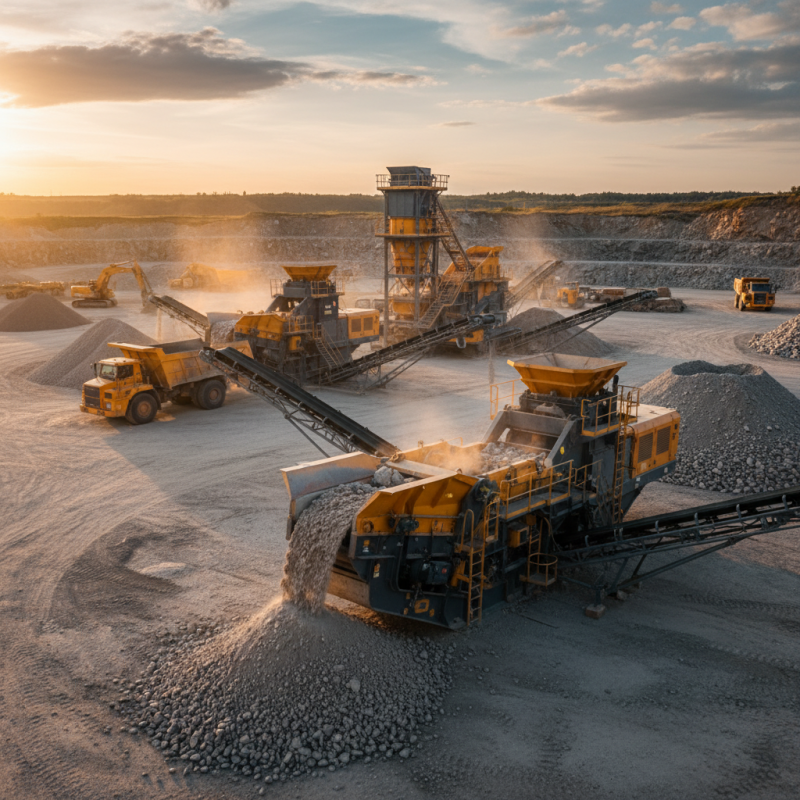
When selecting an impact crusher, it's essential to understand the different types available. There are generally two main types: horizontal shaft impact (HSI) and vertical shaft impact (VSI) crushers. According to a report by ResearchAndMarkets, the global impact crusher market was valued at approximately $4.4 billion in 2022 and is projected to grow significantly. This growth is driven by the increasing demand for construction materials and recycling efforts.
HSI crushers are well-known for their efficiency in producing high-quality aggregates. They work by using a high-speed rotor with blow bars to crush materials against a fixed surface. On the other hand, VSI crushers utilize a unique crushing method that creates an enhanced shape and better particle size distribution. In some cases, users might find the initial purchase cost of VSI crushers higher, yet they offer long-term savings through lower maintenance needs.
Choosing the right type depends on your specific application. If you prioritize high throughput and the ability to handle large feed sizes, HSI might be better. Conversely, if you need finely graded products, a VSI could be the preferred choice. However, misjudgments can occur; businesses might opt for a cheaper model without considering long-term servicing costs. Balancing initial investment with operational efficiency is crucial for making an informed decision.
When selecting an impact crusher, it's crucial to pay attention to key specifications. First, consider the feed size. The feed size must match your material type. This affects efficiency and output quality. According to industry reports, a proper feed size can enhance the crusher's performance by up to 30%.
Another important specification is the rotor speed. Higher rotor speeds can lead to finer materials. However, overly high speeds may cause excessive wear, resulting in increased maintenance costs. A balance is necessary to optimize production without compromising durability. Aim for a rotor speed that maximizes your operational goals.
Tips for evaluating your needs include assessing the desired throughput. Examine operational rates and product size requirements. It's advisable to test different models if possible. Take note of the wear parts' longevity. Some models may require frequent replacements, increasing overall costs. Always weigh initial purchase price against long-term operation expenses to find the best fit.
When selecting an impact crusher, understanding the characteristics of the material is crucial. Different materials respond uniquely under crushing conditions. For instance, hard rocks require robust machines with higher power output, while softer materials can be processed efficiently with less power. Knowing the material's Mohs hardness scale can inform your choice, significantly affecting efficiency and wear rates.
Another aspect to consider is the material's moisture content. High moisture levels can lead to sticky situations, causing clogging and reduced productivity. It’s essential to analyze this before making a purchase. Sometimes, the ideal crusher may not even be the most powerful one. A balance between capacity, size, and material properties often yields better results.
Also, the shape and density of the material can impact the overall efficiency of the crusher. Material that is too dense may require more energy to crush, leading to potential machine overload. Not every material fits every machine perfectly. This makes it vital to test various materials with the chosen equipment when possible, ensuring it meets your operational needs. Always reflect on past performance and adjust your choices accordingly.
When selecting an impact crusher, understanding production capacity and throughput requirements is crucial. Production capacity refers to the quantity of material the crusher can process within a given time. It ensures that your machine can meet operational demands effectively. Throughput, on the other hand, measures the efficiency of the crusher, indicating how much material passes through in a specific timeframe. Knowing these factors helps in choosing the right model for your facility.
To evaluate your production needs, start by assessing the type of material you work with. Some materials are more challenging to crush and may require a more powerful machine. Analyze your historical data to determine your average production levels. Consider peak production times as well. A machine that can only handle your average demand may falter during busy periods, resulting in bottlenecks.
Here are a few tips:
1. Match the crusher's capacity with your maximum expected output.
2. Factor in material characteristics; this affects how smoothly the machine will operate.
3. Test the equipment with sample loads to gauge performance.
By closely examining these aspects, you will have a clearer picture of your requirements. A mismatch could lead to inefficiency and increased costs over time. Reflect on these considerations to ensure you make an informed choice.
When selecting an impact crusher, the efficiency of wear parts is often overlooked. Quality wear parts directly influence a machine’s performance and longevity. Reports indicate that poor-quality wear parts can reduce equipment efficiency by as much as 20%. This loss can lead to more frequent maintenance and increased operational costs.
Understanding the materials used in wear parts is crucial. High-performance impact crushers often utilize advanced alloys. These materials offer better abrasion resistance, extending the lifespan of the components. For instance, manganese steel and chrome-based alloys are known for their durability against wear. Regular assessments of wear parts can prevent unexpected downtimes and increase productivity.
Additionally, proper maintenance practices are essential. Inspections should focus on wear part degradation levels. Inevitably, wear and tear occur, but recognizing the right time for replacements promotes efficiency. Better planning can help mitigate costly disruptions. Adopting a data-driven approach to monitor wear parts can lead to substantial improvements in operational reliability.
: Different materials respond uniquely to crushing. Knowing their properties helps choose the right machine.
Harder rocks need more powerful crushers. This impacts efficiency and wear rates, so it's crucial to consider.
High moisture can cause clogging, reducing productivity. Analyzing moisture is essential before purchasing a crusher.
Yes, denser materials may require more energy to crush. Testing different materials with the equipment is advisable.
They ensure the machine meets demand. Understanding these factors helps select an appropriate model for your needs.
Assess the type of materials and analyze historical data. Peak demands should also be factored into your evaluation.
A mismatch may cause inefficiencies and increased costs over time, especially during peak production periods.
It allows you to gauge performance and better understand how the crusher will operate with your materials.
Inefficiency may lead to operational bottlenecks and increased expenses, so careful reflection is critical.
Yes, reflecting on past results helps inform better decisions for future operations.
When selecting the best Impact Crusher for your needs, it's crucial to understand the different types available in the market. Each type offers unique benefits and is suited for specific applications, so identifying the appropriate model is key. Additionally, certain specifications—such as size, feed capacity, and power requirements—must be carefully evaluated to ensure the crusher meets your operational demands.
Material properties play a significant role in the performance of an Impact Crusher, influencing factors like crushing efficiency and wear rates. Analyzing the characteristics of the materials to be processed will help in optimizing the crusher’s effectiveness. Furthermore, considering production capacity and throughput requirements is essential for meeting your processing goals. Lastly, maintaining efficiency involves understanding the importance of wear parts and implementing quality assurance measures to ensure longevity and reliable operation of the Impact Crusher.

Hanhai