In the world of material processing, the Screen Crusher holds a crucial role. Expert John Peterson, a leading authority in crushing technology, states, “Screen Crushers revolutionize how we manage and repurpose materials.” This reflects the increasing reliance on effective equipment in industries like construction and recycling.
Screen Crushers work by breaking down materials to sizes that can be handled more efficiently. These machines use powerful screens to separate larger pieces from fine particles. Their design often aims for maximum performance, but there can be challenges in ensuring maintenance and operations run smoothly. A poorly functioning Screen Crusher can lead to production delays.
Understanding the mechanics of a Screen Crusher helps industry professionals make informed decisions. Investing in quality equipment is vital. However, it is equally important to train operators properly. Balancing efficiency and functionality is not always easy. Reflecting on these aspects can lead to better practices and improved outcomes in the field.
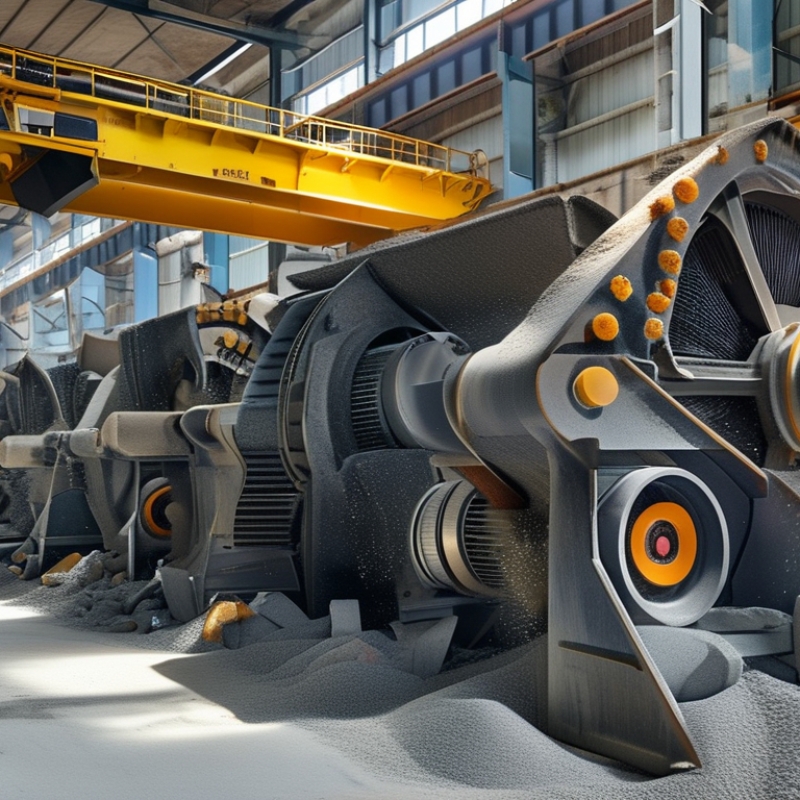
A screen crusher is a mechanical device used to break down and size materials. It employs a combination of screens and crushing mechanisms to segregate unwanted particles from desired materials. These machines find applications in various industries like construction, mining, and recycling.
The main function of a screen crusher is to ensure efficient material processing. It works by feeding materials into a chamber where they are subjected to crushing forces. Screens then separate the crushed material based on size. Operators can adjust the screen openings to achieve the desired size. This flexibility is crucial for optimizing operations.
However, not all operations achieve optimum efficiency. Some may struggle with clogged screens or excessive wear. Proper maintenance is vital but often overlooked. Regular checks can prevent costly downtime. Finding the right balance between crushing force and screen size can be challenging. Operators need to be prepared for adjustments and fine-tuning. This is where practical experience becomes invaluable.
| Feature | Description | Application |
|---|---|---|
| Functionality | Screen crushers are designed to separate materials by size, effectively removing unwanted particles. | Used in mining, construction, and recycling industries. |
| Mechanism | Utilizes a vibrating screen to sort particles based on size through the use of mesh or perforated plates. | Commonly found in material processing plants. |
| Types | Includes mobile screeners, stationary screeners, and trommel screens. | Applicable in various contexts from small projects to large-scale operations. |
| Advantages | Improves material quality, reduces waste, and increases efficiency in material handling. | Enhances profitability in mining and construction sectors. |
| Maintenance | Requires regular inspections and changes of screen media to maintain optimal performance. | Essential for long-term operation and reliability. |
: A screen crusher efficiently separates materials based on size in industries like mining and recycling.
Raw material is fed into the machine, and vibrations help smaller particles pass through screens while larger pieces remain.
Operators must adjust settings often, which can be time-consuming and requires trial and error for optimal performance.
Regular maintenance prevents potential downtimes and ensures the machine operates efficiently over time.
Common types include vibrating screen, rotary screen, fixed screen, and mobile screen crushers, each suited for specific applications.
A rotary screen uses a revolving drum to filter materials, allowing a continuous flow for both wet and dry substances.
Assess specific project needs, material types, and each type's strengths and weaknesses before making a decision.
Mobile screen crushers are portable but may have lower capacity compared to stationary units, which limits their efficiency.
No, achieving the right settings can take time and might lead to unexpected outcomes if not monitored closely.
Neglecting maintenance can lead to wear and tear, decreasing performance and increasing the risk of unexpected machine failures.
A screen crusher is a specialized piece of equipment designed to reduce large materials into smaller, manageable sizes by using screens to separate different grades of materials. The components of a screen crusher typically include a feed hopper, screening deck, and crushing units, which work together to efficiently optimize material processing.
The operation of screen crushers follows a systematic process: materials are fed into the hopper, where they are screened to separate desired sizes before being crushed. Various types of screen crushers have unique applications across industries such as mining, construction, and recycling, providing significant benefits like improved material handling and reduced waste. By incorporating screen crushers into their operations, industries can enhance productivity and achieve better resource management.

 Hanhai