Industrial castings play a fundamental role in modern manufacturing. They are essential components used across various industries, including automotive, aerospace, and construction. Understanding the significance of industrial castings is crucial for buyers. By grasping the factors that influence their quality and performance, buyers can make informed decisions.
The process of creating industrial castings involves melting metal and pouring it into a mold. This method allows for precise shaping and the creation of complex parts. However, not all castings are created equal. Differences in materials, manufacturing techniques, and quality control can impact durability and functionality.
Buyers should consider these variations when selecting suppliers. Reliability and expertise in the casting process are vital. Poor-quality castings may lead to costly failures. It's important to evaluate potential partners based on their experience and track record. Making the right choices can enhance product performance and minimize risks.
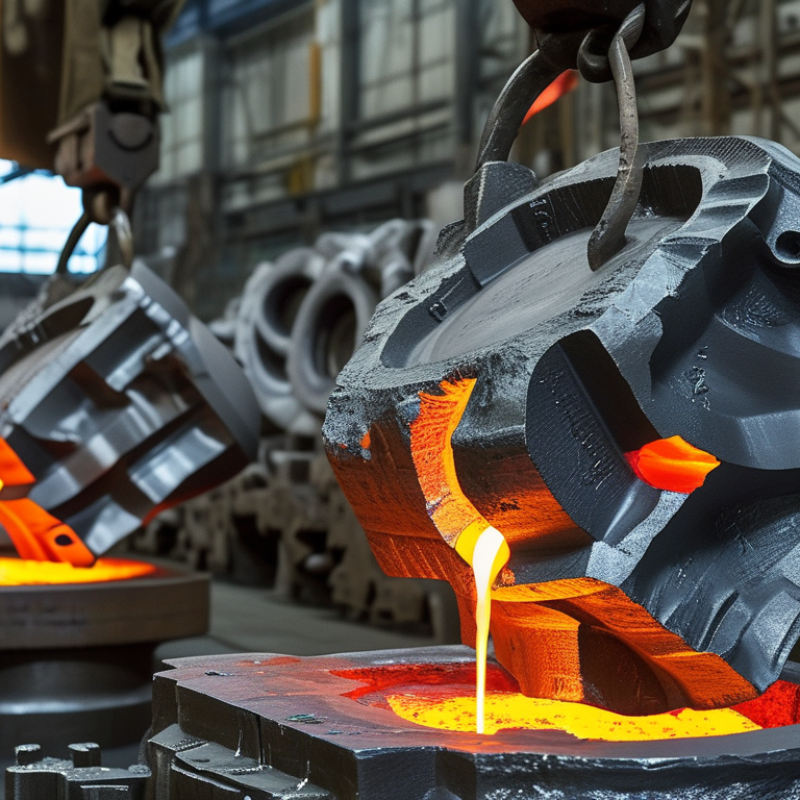
Industrial castings play a crucial role in manufacturing. They are typically made of metals like iron, aluminum, and steel. The casting process includes pouring molten metal into a mold, which solidifies into a specific shape. This method allows for complex designs, making it essential across various industries. According to data from the Casting Industry Suppliers Association, the global casting market was valued at over $200 billion in 2022, indicating a strong demand.
The process involves several steps. First, designing the mold is crucial; it must withstand high temperatures and pressure. Next, preparing the metal is vital. Many manufacturers use high-quality alloys to ensure durability. A report from the American Foundry Society stated that approximately 90% of the metal produced in the U.S. comes from recycling, emphasizing sustainability in the casting process. This approach can create quality castings while minimizing environmental impact.
Buyers should consider several factors. Material selection is key, as the right alloy affects the final product's strength. Quality control is another vital aspect. Inconsistent casting processes can lead to defects and increased costs. The challenge lies in finding reliable suppliers who maintain high standards. With rigorous testing and standards, the industry can assure buyers of product integrity despite variability.
| Casting Type | Material Used | Common Applications | Key Advantages |
|---|---|---|---|
| Sand Casting | Aluminum, Iron, Steel | Automotive, Machinery | Cost-effective, Versatile |
| Investment Casting | Bronze, Stainless Steel | Aerospace, Medical | High Precision, Complex Shapes |
| Die Casting | Zinc, Aluminum | Consumer Electronics, Automotive | Smooth Finish, Fast Production |
| Permanent Mold Casting | Aluminum, Copper | Industrial Equipment, Marine Parts | Durable Molds, Reusable |
| Centrifugal Casting | Cast Iron, Stainless Steel | Pipes, Cylinders | High Quality, Reduced Defects |
Industrial castings are crucial in various sectors. They are produced by pouring molten metal into a mold, which shapes it as it cools. This process allows for diverse materials, such as aluminum, steel, and iron, to be shaped into complex forms. According to industry reports, the global industrial casting market was valued at approximately $165 billion in 2021 and is expected to grow significantly by 2027.
Different types of industrial castings serve specific applications. For example, investment casting offers precise dimensions and is often used in aerospace. Sand casting, on the other hand, is widely used for automotive parts due to its cost-effectiveness. Ductile iron is favored in manufacturing heavy machinery components, noted for its durability and strength.
Nonetheless, quality control remains a challenge in the casting industry. Even minor defects can lead to substantial issues in finished products. Implementing advanced technologies in the casting process could improve consistency and reliability. Buyers must stay informed about different casting methods and their potential drawbacks to make better decisions.
In the realm of industrial manufacturing, the quality of castings plays a critical role. According to a 2021 report by the American Foundry Society, nearly 70% of buyers prioritize quality over cost when selecting industrial castings. This highlights the significant impact that superior castings can have on product performance and longevity. High-quality castings reduce the likelihood of defects, leading to greater operational efficiency and overall cost-effectiveness.
Buyers often face challenges when evaluating the quality of castings. Factors such as material composition, production methods, and inspection processes can vary widely. A recent survey indicated that 40% of industrial buyers were dissatisfied with casting quality, often due to inadequate supplier communication. Building strong relationships with suppliers can help mitigate these issues. Transparency in production processes and certifications can provide buyers with the reassurance they need.
Investing in quality industrial castings is not merely a cost decision; it's about long-term viability. Flawed castings can lead to catastrophic failures in machinery, costing companies significant downtime and repair expenses. A report from Grand View Research estimates that poor-quality castings could account for losses exceeding $1 billion annually in major industries. This stark reality emphasizes the importance of prioritizing quality in the procurement process.
Industrial castings play a crucial role in manufacturing sectors. The cost of these castings can vary significantly due to multiple factors. Understanding these factors helps buyers make informed decisions.
One major factor is the material used. Different metals have distinct properties that affect pricing. For example, steel is often cheaper than aluminum, yet both serve unique needs. Additionally, the complexity of the casting design impacts costs. A more intricate design requires advanced technology and longer production times. This can lead to increased expenses.
Labor costs also play a crucial role. Skilled workers are essential for quality inspections and production. If a region has high wage standards, it can push up the overall cost. Moreover, the production volume influences pricing. Larger volumes typically reduce per-unit costs due to economies of scale. However, overestimating demand could result in waste. Balancing these aspects is key for buyers seeking efficiency and budget alignment in their projects.
Choosing the right supplier for industrial castings requires careful consideration. Industrial castings are essential in various sectors, from automotive to machinery. According to a recent report by the American Foundry Society, the U.S. casting industry produced approximately 12 billion pounds of castings in 2022. Yet, not all suppliers provide the same quality or service level, which is crucial for operational success.
Look for a supplier with proven experience. A company that has been in the industry for many years often understands the nuances of casting better than newer enterprises. Reviews and testimonials can offer insights. However, relying solely on those could be misleading. Transparency in operations and quality standards is vital. Ask for certifications like ISO 9001, which demonstrate adherence to quality management systems.
Cost is not the only factor. Low-bid suppliers may cut corners, resulting in defects. The failure rates from poor-quality castings can lead to costly production delays. Research shows that companies can lose 3-5% of their revenue due to defective parts. Additionally, consider the supplier's ability to scale production based on your needs. An adaptable supplier can better respond to market fluctuations, ensuring you remain competitive. Always assess their technical capabilities and willingness to innovate as well.
: The cost varies due to material type, design complexity, labor costs, and production volume.
Different metals impact pricing. Steel is often cheaper than aluminum but has different properties.
Intricate designs need advanced technology and longer production times, increasing expenses.
Skilled workers are necessary for quality control. High wage standards can raise overall costs.
Larger volumes can reduce per-unit costs but overestimating demand may lead to waste.
Seek suppliers with experience, good reviews, and transparency in quality standards and operations.
Low bids may indicate corner-cutting, which can lead to defects and costly delays.
Defective parts can lead to production delays, costing companies 3-5% of their revenue.
ISO 9001 is an essential certification showing adherence to quality management systems.
An adaptable supplier can meet fluctuating market demands, helping you stay competitive.
Industrial castings refer to the manufacturing process where molten metal is poured into a mold to create desired shapes and components. This process includes various techniques such as sand casting, investment casting, and die casting, each suited for specific applications across industries such as automotive, aerospace, and construction. Understanding the types of industrial castings and their applications is crucial for buyers to meet their project requirements efficiently.
Quality plays a vital role in industrial castings, as it directly impacts the performance and longevity of the final products. Factors influencing the cost of industrial castings, such as material choice and manufacturing complexity, are essential considerations for buyers. When selecting a supplier for industrial castings, it's important to evaluate their expertise, quality assurance processes, and reliability to ensure the procurement of high-quality components that meet industry standards.

Hanhai