2026 How to Choose the Best Casting Part for Your Needs?

Time:2026-06-13 Author:Sophia
0%

Choosing the right casting part is crucial for various applications. Each project has unique requirements, and understanding those needs is essential. The term "casting part" encompasses a wide range of components, from automotive parts to intricate machinery pieces.

When selecting a casting part, consider factors such as material, size, and manufacturing method. Knowledge of these aspects can significantly impact performance and durability. The wrong choice can lead to failure and increased costs. Reflect on past experiences and mistakes; they offer valuable lessons.

Expert guidance can be beneficial. Seek advice from professionals who understand casting processes. Their insights can help navigate complex choices. Remember, picking the best casting part is not just about saving money or time; it’s about achieving quality and reliability in your projects.
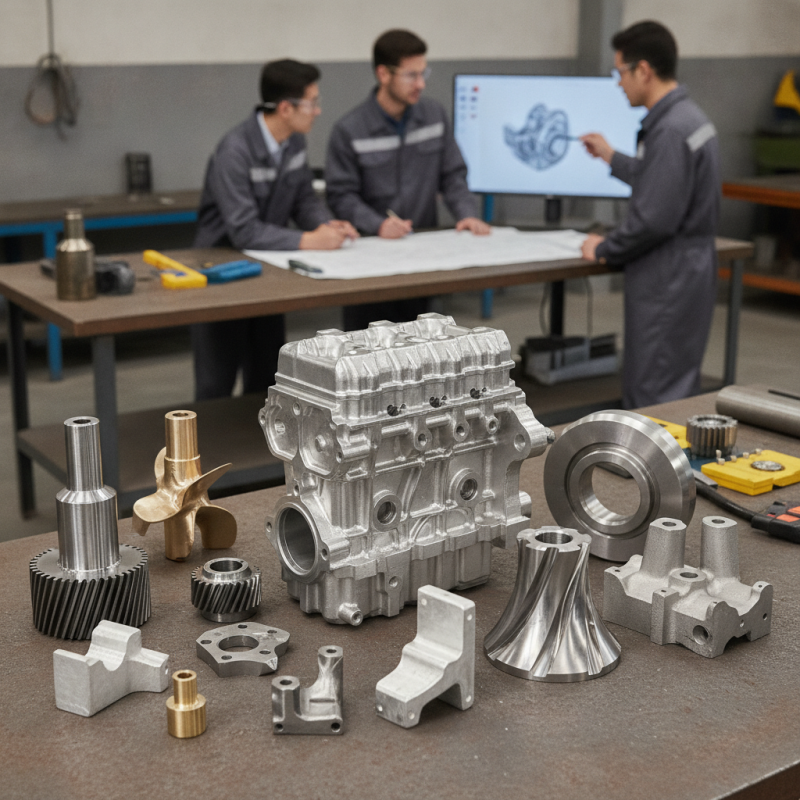
2026 How to Choose the Best Casting Part for Your Needs?

Understanding the Basics of Casting Parts and Their Types

Casting parts play a pivotal role in various industries, from automotive to aerospace. Understanding their types is essential for making informed decisions. Common casting methods include sand casting, investment casting, and die casting. Each method has unique advantages based on material and design requirements. For instance, sand casting is cost-effective for large parts but may not provide the same finish quality as die casting.

Choosing the right casting part involves assessing several factors. Material selection is crucial. The type of alloy can greatly impact strength and durability. Reports from casting industry surveys show that over 70% of manufacturers prioritize material properties in their selection process. It’s also vital to consider tolerances and finish requirements. A small discrepancy can lead to significant issues down the line.

Tips: Always communicate clearly with suppliers about specifications. Test prototype parts whenever possible to avoid surprises later. Be prepared for trial and error; not every casting method works perfectly for every application. Remember, a thoughtful approach now can save time and costs in future production.

Key Factors to Consider When Selecting Casting Materials

Choosing the best casting part involves several key factors. First, consider the material properties. Each casting material has unique characteristics. For instance, metals like aluminum are lightweight but may have lower strength. Cast iron offers higher durability but can be heavy. Identify what suits your project's needs best.

Next, think about the manufacturing process. The method of casting impacts the final product's quality. Sand casting allows for intricate designs but may require more post-processing. Alternatively, investment casting provides better surface finishes. Each method has advantages but may not suit every application perfectly.

Lastly, weigh the cost against the benefits. Material selection and casting methods can significantly affect your budget. It's crucial to strike a balance. Sometimes, a cheaper option may result in frequent failures. A thorough evaluation will help prevent costly mistakes. This process is complex and requires careful consideration. Don’t hesitate to seek expert advice, as each project has its own challenges.

Evaluating Quality Standards for Casting Parts

Choosing the right casting part requires careful evaluation of quality standards. Quality plays a crucial role in the longevity and performance of the part. Several factors influence the quality of casting parts, including the materials used and the casting process. Identifying these factors early can prevent issues down the line.

Tips for evaluating casting parts include checking certifications. Certified materials often meet higher quality benchmarks. Look for visible defects in the part, such as cracks or imperfections. These can hint at underlying quality issues. Don’t rely solely on appearance; consider the reputation of the manufacturer. A trustworthy producer often prioritizes quality.

When assessing casting parts, pay attention to the specifics. Dimensional accuracy is vital. Minor discrepancies can lead to poor fit and function. Test samples if possible. Gaining insight into real-world performance is invaluable. Reflect on the needs of your project. Asking the right questions can shed light on potential pitfalls.

2026 How to Choose the Best Casting Part for Your Needs?

Material Type Quality Standards Typical Applications Cost Range (per unit) Lead Time (weeks)
Aluminum ASTM B85 Automotive, Aerospace $5 - $15 4 - 6
Steel ASTM A216 Construction, Machinery $10 - $25 6 - 8
Iron ASTM A48 Pipes, Fittings $8 - $20 5 - 7
Bronze ASTM B505 Marine, Electrical $15 - $30 3 - 5
Zinc ASTM B86 Casting, Fasteners $1 - $5 2 - 4

Analyzing Application-Specific Requirements for Casting Selections

Choosing the right casting part for a project can be complex. Application-specific requirements play a crucial role in this decision. Understanding the mechanical properties needed is essential. Certain applications demand high tensile strength, while others prioritize lightweight materials. For instance, the automotive industry often requires high-performance castings that can withstand severe conditions. According to a report by the Casting Industry Association, 70% of casting defects stem from poor material selection or lack of application knowledge.

In addition to mechanical properties, thermal and corrosive resistance is vital for certain applications. The aerospace sector, for instance, needs parts that can endure extreme temperatures and pressures. In such cases, aluminum or titanium castings may be preferred. A study by the American Foundry Society indicates that choosing the right alloy can reduce failure rates by up to 50%. However, many manufacturers overlook these critical criteria.

Cost is another factor that complicates decisions. While low-cost materials may be tempting, they can lead to long-term issues. Investing in quality castings typically increases initial expenditure but enhances durability and performance. Ultimately, experience in specific applications can guide better choices. Evaluating past performance data helps to avoid repeating mistakes. Crafting parts is both a science and an art, requiring careful consideration of all variables involved.

Cost-Effectiveness in Choosing the Right Casting Part for Your Needs

When selecting casting parts, cost-effectiveness plays a crucial role in meeting your specific needs. According to industry reports, over 40% of manufacturing expenses are directly linked to material costs. Thus, understanding the balance between quality and price is essential for optimal investment. It’s important to evaluate the long-term performance of casting materials. Cheaper options may save initial costs but can lead to higher replacement expenses.

Quality materials provide better durability, which can reduce failures and maintenance needs. For example, high-grade alloys may cost more upfront but last significantly longer. This choice can save at least 20% in lifecycle costs, as noted in the latest manufacturing studies. It's vital to consider the purpose of each part. If a component is critical to operations, don’t compromise on material quality just to save money.

**Tip:** Always conduct thorough market research before making purchasing decisions. Look for suppliers with a proven track record of reliability.

Evaluating different suppliers can also lead to better deals, often revealing bulk purchasing discounts. Keep in mind that not all suppliers offer the same level of service or quality assurance. A slight variation in pricing could indicate a difference in service quality or material standards, which may not be immediately obvious.

**Tip:** Request samples to validate the quality before making substantial purchases. This can help avoid costly mistakes later on.

Cost-Effectiveness in Choosing the Right Casting Part for Your Needs

FAQS

: What are the common methods of casting parts?

: Common methods include sand casting, investment casting, and die casting. Each has unique benefits for different applications.

Why is material selection important in casting?

The chosen alloy affects strength and durability significantly. Over 70% of manufacturers prioritize material properties in selections.

What should I consider when choosing a casting part?

Assess tolerances, finish requirements, and specific application needs. Small discrepancies can lead to major issues later.

What mechanical properties are needed for certain applications?

Some projects require high tensile strength, while others may focus on lightweight materials. Automotive applications often demand high performance.

How does temperature and corrosion affect casting choices?

Some sectors, like aerospace, need parts resistant to extremes. Materials like aluminum or titanium are often preferred for these conditions.

What is the impact of cost on casting decisions?

Low-cost materials can seem attractive but may cause long-term problems. Investing in quality yields better performance and durability.

How can I avoid casting defects?

Understand application requirements to minimize mistakes. Poor material selection is a common cause of defects in castings.

Should I always test prototype parts?

Yes, testing prototypes helps avoid unexpected results later. Trial and error are often necessary in the casting process.

What role does experience play in making casting choices?

Evaluating past performance helps avoid repeating mistakes. Experience provides valuable insights for better decision-making.

Is crafting parts purely scientific?

No, crafting involves both science and art. Careful consideration of all variables is essential for successful outcomes.

Conclusion

When choosing the best casting part for your needs, it's essential to grasp the fundamentals of casting and the various types available. Understanding these basics lays the groundwork for making informed decisions that align with your specific applications. It's crucial to consider key factors such as material selection, which affects durability and performance, and to evaluate quality standards that ensure the casting parts meet required specifications.

Additionally, analyzing application-specific requirements allows you to select casting parts that best suit your project's demands. Cost-effectiveness is also a major consideration, as the most suitable casting part must balance performance with budget constraints. By carefully weighing these factors, you can confidently choose the right casting part that meets both functional and economic criteria.


Sophia

Sophia

Sophia is a dedicated marketing professional with an exceptional depth of knowledge about her company's products and services. With a keen understanding of market trends and customer needs, she crafts insightful blog posts that not only inform but also engage readers, enriching the company’s online......