How to Choose the Best Ore Crushing Machine for Your Needs?

Time:2026-07-25 Author:Sophia
0%

When it comes to selecting the best Ore Crushing Machine, industry expertise is invaluable. John Smith, a seasoned engineer with over 20 years of experience in mineral processing, states, “Choosing the right machine can dramatically impact efficiency and cost.” His insight highlights a critical factor in this decision-making process.

Every mining operation has unique requirements. A perfect match of machine specifications to those needs will enhance productivity. There are various types of Ore Crushing Machines available, each designed for different materials and sizes. Understanding these nuances is essential for an informed choice.

Investing time in research is crucial. Many choices can lead to costly mistakes. Not every machine suits every application. Careful consideration ensures the best outcome. Exploring features like material hardness and capacity will guide you. There is no one-size-fits-all solution. Though it may seem overwhelming, the right Ore Crushing Machine can transform your operations significantly.
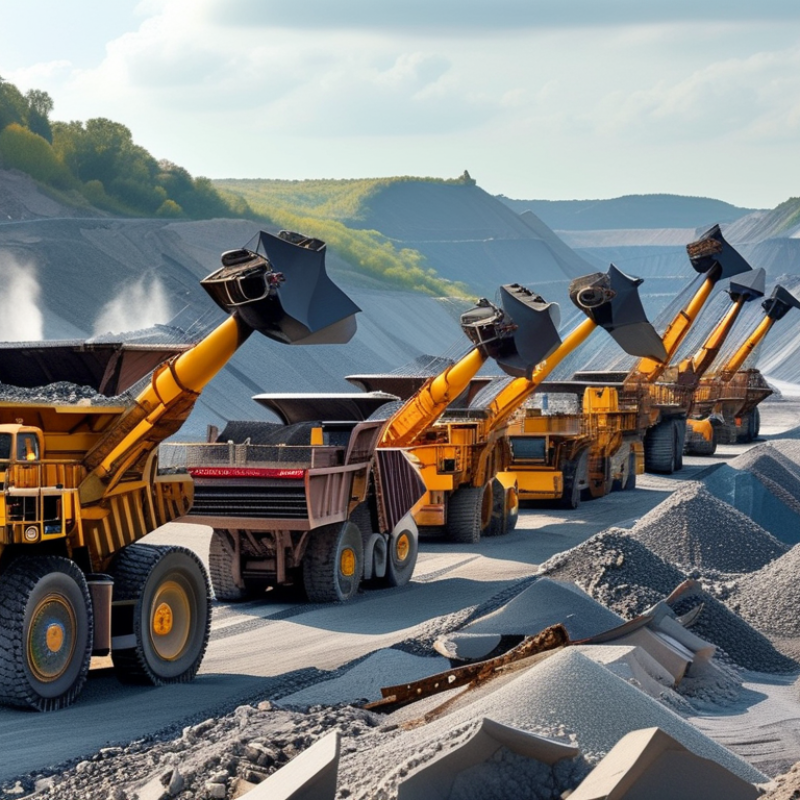
How to Choose the Best Ore Crushing Machine for Your Needs?

Understanding Ore Crushing Machines: Types and Functions

Understanding ore crushing machines involves recognizing different types and their specific functions. These machines play a crucial role in mining and mineral processing. Common types include jaw crushers, cone crushers, and impact crushers. Each type serves a unique purpose based on the hardness of the material and the desired output size.

Jaw crushers are often used for primary crushing. They handle larger rocks effectively but can be less efficient for finer materials. Cone crushers, on the other hand, excel at secondary and tertiary crushing, providing a more uniform product size. Impact crushers are valuable for softer materials, offering high reduction ratios and producing finer output.

Choosing the right machine requires understanding these nuances. It’s also essential to consider your operational needs. Not all machines suit every application. Reflecting on past experiences can highlight this. An inadequate choice can lead to increased operational costs or lower productivity. Therefore, a careful assessment of material characteristics and desired outputs is key in making an informed decision.

Key Factors to Consider When Selecting an Ore Crushing Machine

When selecting an ore crushing machine, several key factors must be considered. The size and type of the ore directly influence the choice of equipment. For instance, different ores require different crushing methods, such as jaw or cone crushing. According to a recent industry report, nearly 75% of crushing applications involve hard rock materials. Thus, machines must be robust enough to handle these demands.

Operational efficiency is another critical aspect. Machines that run at optimal capacity help reduce energy consumption. Reports suggest that modern machines can reduce energy costs by up to 30%. For small operations, a portable crusher might be sufficient. For larger operations, stationary models may provide better throughput.

Tips: Always review the maintenance requirements of the machine. Some models require frequent servicing, which can affect your production. Consider the availability of spare parts too. A delay in repairs can lead to significant downtime. Evaluate the total cost of ownership, not just the initial purchase price.

Evaluating the Capacity and Efficiency of Crushing Machines

When selecting an ore crushing machine, capacity and efficiency are vital factors. You want a machine that can handle your specific type of ore effectively. Evaluating the machine's capacity involves looking at its throughput rates. This rate determines how much material the machine can crush in a given period, influencing overall productivity.

Consider the size of the ore you will process. Different machines excel with various types and sizes of material. A mismatch can lead to inefficiencies. It's important to balance the machine’s capacity with your production goals and the types of ores involved.

Tips: Always assess the manufacturer's specifications. Don’t hesitate to ask for performance data. A good machine should have a proven track record in your specific application. Efficiency also matters significantly. Examine energy consumption, maintenance needs, and the machine's lifespan. Machines that require frequent repairs may not be cost-effective, even if their initial capacity seems high. Reflect on these aspects to make an informed decision.

How to Choose the Best Ore Crushing Machine for Your Needs?

Machine Type Capacity (ton/h) Efficiency (%) Power Consumption (kW) Weight (kg)
Jaw Crusher 50 85 30 1200
Cone Crusher 75 90 40 1500
Impact Crusher 60 80 25 950
Hammer Crusher 40 75 20 800
Roll Crusher 30 70 15 600

Comparing Costs: Budgeting for Your Ore Crushing Needs

When budgeting for ore crushing needs, understanding costs is crucial. Industry reports indicate that the initial investment in a quality ore crushing machine can range from $10,000 to over $100,000. This variance depends on capacity, technology, and efficiency. High-capacity machines promise better productivity but require a larger upfront cost.

Operational costs also play a significant role. A well-known report from the International Journal of Mining highlights that maintenance costs can eat up to 30% of the total operational budget. Choosing a machine with lower wear rates can save money in the long run. Additionally, the energy efficiency of the machine affects monthly utility bills. Spending a bit more upfront can lead to better long-term savings.

It’s important to reflect on hidden costs associated with each option. Installation and training for operators can add another 15-20% to your budget. Often, companies overlook these expenses while focusing solely on purchase price. A holistic approach to budgeting ensures that your investment in ore crushing equipment is wise and sustainable.

Maintenance and Support: Ensuring Longevity of Your Equipment

Maintenance is crucial for prolonging the lifespan of ore crushing machines. Regular checks can prevent major failures. A well-maintained machine can achieve up to 95% efficiency, as reported by industry studies. Key factors like lubrication, wear parts inspection, and alignment adjustments are essential. Neglecting these can lead to costly downtime and repairs.

Consider the importance of training staff. Operators should know how to maintain and troubleshoot equipment. Research suggests that companies with trained personnel see a 30% reduction in maintenance costs. Proper training can identify potential issues before they escalate. Equipment often does not receive the attention it deserves, leading to operational inefficiencies.

Lastly, investing in quality support services can make a difference. Having access to expertise helps address issues quickly. Yet, many companies overlook the value of a reliable support network. According to industry data, organizations with strong support partnerships experience fewer operational disruptions. Making informed choices about maintenance and support can significantly enhance the performance of ore crushing machines.

FAQS

: What key factors should I consider when choosing an ore crushing machine?

: Consider the size and type of your ore, and match the crushing method to the material.

How does operational efficiency impact costs?

Efficient machines can reduce energy costs by up to 30%, which is significant for large operations.

What type of crusher is best for small operations?

A portable crusher is often sufficient for small operations due to its flexibility and lower capacity.

Why is maintenance important when selecting a crushing machine?

Some models need frequent servicing, which can disrupt production and increase costs.

How do I evaluate the capacity of a crushing machine?

Assess its throughput rates and ensure they align with your production goals and ore types.

What should I consider about spare parts availability?

Delayed repairs due to spare parts unavailability can lead to significant downtime.

Why is energy consumption a key consideration?

Machines that are energy-efficient help lower operational costs over time and support sustainability.

What are the potential downsides of high-capacity machines?

Machines with high capacity may not always be cost-effective if they require frequent maintenance.

How important is manufacturer's performance data?

Performance data is crucial; it shows whether the machine has a proven track record for your needs.

Should I only focus on the purchase price?

Reflect on the total cost of ownership, including maintenance and operational costs, not just initial price.

Conclusion

Choosing the right Ore Crushing Machine involves a thorough understanding of the various types available and their specific functions. Factors such as the machine's capacity, efficiency, and compatibility with your specific requirements play a critical role in the selection process. It’s essential to evaluate your production needs and consider the budget, as costs can vary significantly among different models.

Moreover, maintaining your Ore Crushing Machine is crucial for ensuring its longevity and optimal performance. Regular upkeep and seeking reliable support can help mitigate potential issues, allowing for sustained operations and reducing downtime. Ultimately, a well-chosen and properly maintained Ore Crushing Machine can greatly enhance the efficiency of your mining or processing activities.

Sophia

Sophia

Sophia is a dedicated marketing professional with an exceptional depth of knowledge about her company's products and services. With a keen understanding of market trends and customer needs, she crafts insightful blog posts that not only inform but also engage readers, enriching the company’s online......