Why Choose a Jaw Crusher for Your Crushing Needs?

Time:2026-06-13 Author:Sienna
0%

In the realm of construction and mining, a Jaw Crusher stands out as an essential tool. It is not merely popular; it has become a staple in numerous industries. According to a report by Market Research Future, the global jaw crusher market is projected to reach USD 1.92 billion by 2026, growing at a CAGR of 5.6%. This exemplifies the crucial role of jaw crushers in material processing.

Industry expert Dr. Emily Stone stated, "A quality jaw crusher can significantly enhance productivity." Her insights underline the importance of efficiency in operations. Jaw crushers offer a robust solution for crushing hard materials, making them indispensable for producers needing reliable machinery.

However, it’s worth noting that not all jaw crushers are created equal. Selection requires careful consideration of application needs. Choosing the right model is crucial. An ill-suited jaw crusher may lead to increased operational costs and inefficiencies. Reflecting on these factors is key to reaping the full benefits of this formidable equipment.
Why Choose a Jaw Crusher for Your Crushing Needs?

Jaw Crusher Overview: What It Is and How It Works

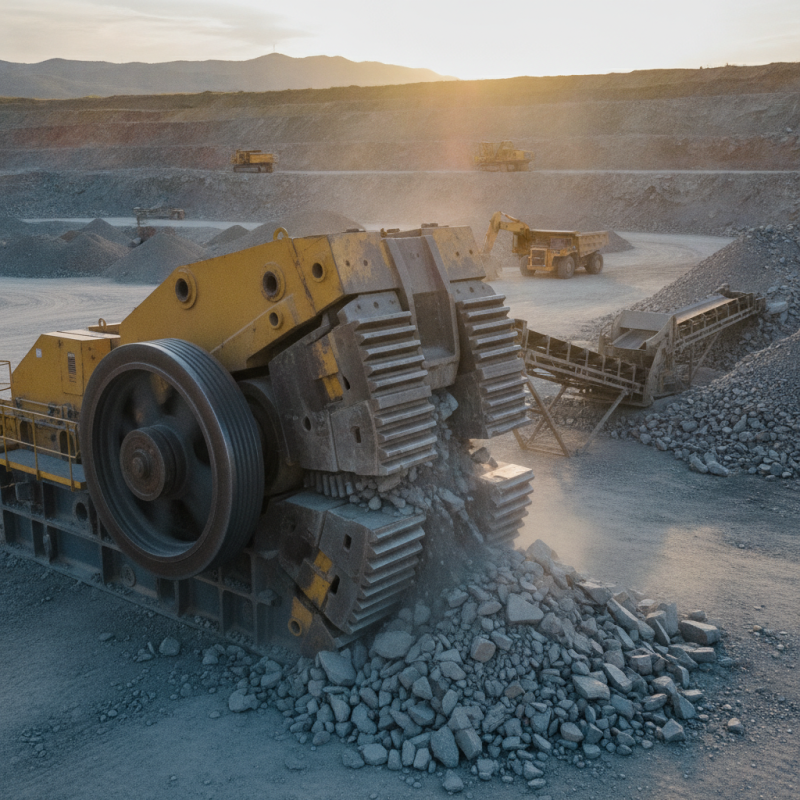
A jaw crusher is a vital machine in mining and construction. It’s designed to crush large rocks into smaller pieces. By using a combination of compression and shear forces, it effectively breaks down materials. The mechanism consists of two jaws, one fixed and another that moves back and forth. This motion compresses the material, allowing for efficient crushing.

Understanding how a jaw crusher works involves recognizing its simple yet effective design. When rocks enter the machine, they are trapped between the jaws. As they are squeezed, they break apart into smaller fragments. This process is repeated, creating even smaller sizes. The crushed material is then collected for various applications, such as aggregate production. This simplicity is one reason why many industries rely on jaw crushers.

However, it’s worth noting that they don’t always produce uniform sizes. Variability in size can occur due to the nature of the material being crushed. Some users may find that adjusting settings can help, but consistency remains a challenge. Operators need to monitor the process carefully to ensure optimal performance. Even with its limitations, a jaw crusher remains a popular choice for its reliability and robustness.

Why Choose a Jaw Crusher for Your Crushing Needs?

Feature Details
Type Primary Crusher
Material Various, including rocks, ores, and minerals
Feed Size Up to 1,500 mm
Output Size 10 mm to 300 mm
Capacity Up to 1,200 tons per hour
Applications Mining, construction, demolition, quarrying
Advantages High efficiency, low operational costs, reliable performance
Maintenance Relatively easy, requiring periodic adjustments and lubrication

Key Advantages of Using Jaw Crushers for Crushing Operations

When it comes to crushing operations, jaw crushers stand out for several key advantages. Their robust design ensures durability and reliability, which can significantly lower maintenance costs. This type of crusher is capable of handling a variety of materials. From hard rocks to recycled concrete, its versatility makes it an excellent choice for diverse applications.

The crushing action of a jaw crusher is efficient. It involves a simple mechanical process that minimizes energy consumption. Users often report a lower operational cost due to this efficiency. Moreover, jaw crushers provide a consistent product size, which is crucial for quality control in production. However, operators must be aware of potential wear and tear. Regular inspections can help identify issues before they become significant.

Jaw crushers can be optimized for performance. Adjusting the settings allows for refined output. Despite the benefits, they are not without challenges. Operating in harsh environments can lead to increased wear. Regular maintenance, though, can mitigate many of these issues. Understanding both the advantages and limitations is essential for maximizing the benefits of jaw crushers in any crushing operation.

Applications and Industries That Benefit from Jaw Crushers

Jaw crushers are integral to various industries. They excel in applications such as mining, construction, and demolition. According to a report by Grand View Research, the global jaw crusher market was valued at over $1.7 billion in 2021. This figure is expected to grow as companies seek efficient solutions for material processing.

In the mining sector, jaw crushers are essential for breaking down large rocks into manageable sizes. They ensure raw materials can be processed efficiently. The construction industry benefits from jaw crushers, especially when recycling concrete. A study by the Construction & Demolition Recycling Association revealed that recycled concrete can save up to 80% of natural resources.

However, not all jaw crushers perform equally. The right choice depends on the specific application and operational context. Factors like material hardness and desired output size play a crucial role. Some operations may struggle with equipment limitations. Understanding these aspects can enhance productivity and reduce costs. Making informed equipment choices is vital for long-term success in these demanding industries.

Why Choose a Jaw Crusher for Your Crushing Needs?

Jaw crushers are widely used in various industries for their ability to handle a range of materials. The bar chart below illustrates the percentage of different industries that utilize jaw crushers for their crushing needs.

Factors to Consider When Choosing a Jaw Crusher

When considering a jaw crusher for crushing needs, multiple factors play a crucial role. The size of the feed material is paramount. Typical input sizes range from 120mm to over 1,000mm. If the material is too large, it can lead to increased wear. According to industry data, a well-sized feed can enhance efficiency by up to 30%.

Another key factor is the desired output size. Crushers offer a variety of settings to produce different product sizes. A well-calibrated jaw crusher can achieve an output size between 10mm and 100mm. Additionally, understanding the hardness of the material can help in selecting the right crushing capacity. Harder materials require more power and have specific design considerations.

Maintenance is often overlooked but is critical for performance. Regular checks on wear parts, like jaw plates, can prevent unexpected downtime. Industry reports show that proactive maintenance can reduce operational costs by nearly 15%. Balancing these factors ensures that you choose the right jaw crusher for efficient and effective crushing operations.

Maintenance and Longevity of Jaw Crushers in Heavy-Duty Use

Jaw crushers are a cornerstone in the field of heavy-duty crushing. Their ability to handle hard materials makes them a popular choice. However, their longevity heavily depends on proper maintenance practices. Regular inspections are essential. These checks can reveal potential issues before they escalate into costly repairs.

Daily maintenance tasks include lubricating moving parts and checking for worn-out components. Neglecting these can lead to unexpected downtime. Operators often overlook the importance of cleaning the crushing chamber. A clean environment contributes to better performance and longer life.

Furthermore, operators must be attentive to how the crusher is used. Feeding it beyond capacity can cause undue stress. Monitoring material quality is equally important. Uncrushable materials can damage the equipment. This is a reflection point for many users: understanding your materials is key to effective operation. Investing attention in these areas ensures the jaw crusher remains a reliable asset for years.

FAQS

: What is a jaw crusher?

: A jaw crusher is a machine designed to crush large rocks into smaller pieces for mining and construction.

How does a jaw crusher work?

It uses compression and shear forces between two jaws to break down materials into fragments.

What are the typical sizes of feed material?

Typical input sizes range from 120mm to over 1,000mm.

Can jaw crushers produce uniform sizes?

No, they often produce varying sizes due to material nature. Adjustments may help, but challenges remain.

Why is maintenance important for jaw crushers?

Regular maintenance can prevent downtime and reduce operational costs by nearly 15%.

What factors affect the efficiency of a jaw crusher?

Feed size, desired output size, and material hardness all impact efficiency significantly.

How does feed size influence performance?

A well-sized feed can enhance efficiency by up to 30%. Too large feeds can increase wear.

What output size can a jaw crusher achieve?

A calibrated jaw crusher can produce output sizes between 10mm and 100mm.

Are there design considerations for different materials?

Yes, harder materials require more power and specific design features to crush effectively.

What should operators monitor during the crushing process?

Operators should carefully monitor the crushing process for optimal performance and product size.

Conclusion

A Jaw Crusher is a vital piece of equipment in various crushing operations, known for its robust design and efficiency. This machine works by using compressive force to break down materials, making it ideal for a range of applications in construction, mining, and recycling industries. The key advantages of using a Jaw Crusher include its simple operation, high crushing ratio, and ease of maintenance, which contribute to its longevity even under heavy-duty use.

When selecting a Jaw Crusher, it's essential to consider factors such as size, capacity, and the material to be processed. Proper maintenance practices can further enhance the lifespan of these machines, ensuring they perform optimally in demanding environments. Overall, the Jaw Crusher stands out as a reliable solution for diverse crushing needs, providing significant benefits across multiple sectors.


Sienna

Sienna

Sienna is a skilled marketing professional with a deep expertise in our company’s core products and services. With a passion for innovation and detail, she plays a pivotal role in crafting insightful blog posts that not only highlight the unique features of our offerings but also provide valuable......