In the ever-evolving landscape of industrial machinery, finding the best Roll Crusher is crucial for efficiency. As industries turn to global sourcing, experts predict significant trends for 2026. Dr. Emily Matthews, a leading figure in the crushing technology sector, emphasizes, “The right Roll Crusher can make all the difference in productivity and cost-effectiveness.”
Businesses need to recognize the importance of selecting a high-quality Roll Crusher. Advanced designs can provide better performance, yet many companies still overlook efficiency-based criteria. Moreover, understanding the market's fluctuations is essential for informed sourcing decisions.
With numerous brands available, the quest for the best Roll Crusher could be daunting. Factors like durability, maintenance, and throughput capacity must not be ignored. Relying solely on price may lead to suboptimal choices. A critical analysis of options and expert advice can guide companies toward an effective solution.
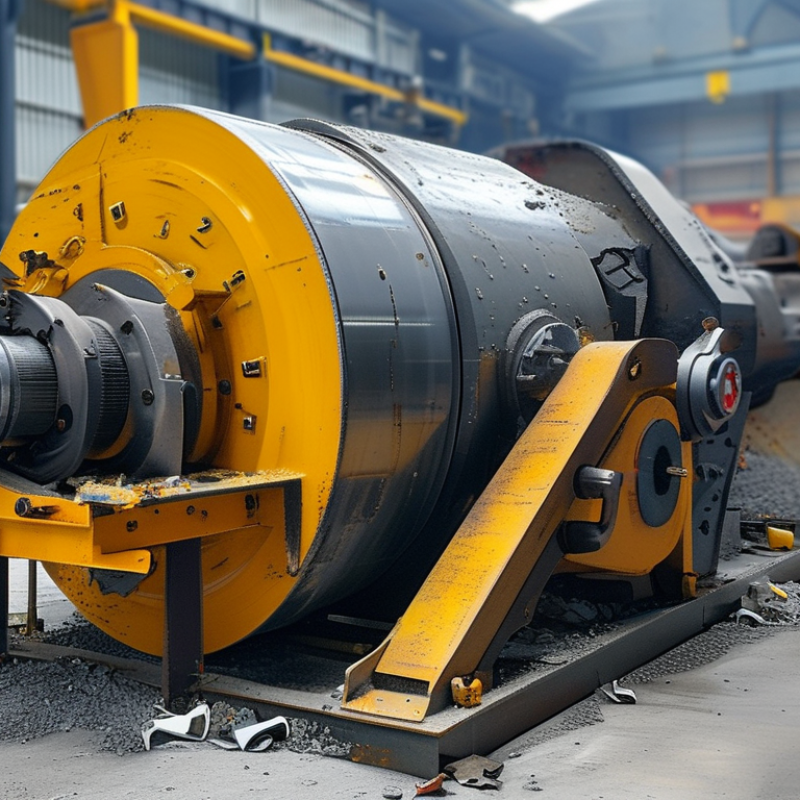
Roll crushers are key in various industries for size reduction. They primarily crush materials like coal, limestone, and ores. A roll crusher features two cylindrical rollers that rotate to break down materials. This design allows for a controlled output size, making them ideal for applications requiring uniform particle size. According to industry reports, the global market for roll crushers is expected to reach $1.5 billion by 2026, driven by increased demand in mining and construction.
The efficiency of roll crushers is notable. They require less energy compared to other crushing methods. Studies show that they can achieve a reduction ratio of up to 4:1. This means that large materials can be efficiently reduced to smaller sizes. In addition, their compact design allows for easier integration into existing systems. However, maintenance can be a challenge. Regular checks are necessary to ensure optimal performance and prevent breakdowns.
Despite their advantages, roll crushers are not without limitations. For instance, they may not be suitable for very hard or sticky materials. This can lead to inefficient crushing and increased downtime. Industry experts suggest conducting thorough material assessments before selecting a roll crusher. Understanding the specific requirements of the operation can make a significant difference in overall performance and productivity.
When selecting a roll crusher, certain key features are crucial for effective performance. First, the material of construction matters significantly. High-quality steel is often preferred for its durability, especially for long-term operations. According to industry reports, crushers made with wear-resistant materials can have a lifespan increase of up to 50%. This translates to lower operational costs in the long run.
Another vital aspect is the crushing ratio. A roll crusher with a higher crushing ratio can process materials more efficiently. For example, industry data indicates that ratios of 4:1 to 6:1 are common. This allows for effective size reduction in various applications. Additionally, consider the energy consumption. A roll crusher designed for higher efficiency can reduce energy costs by up to 15%.
Control features also contribute significantly. An automatic feed system can help maintain consistent performance. However, these systems may require regular calibration to ensure efficiency. It’s important to evaluate how these controls align with your operational needs. Data from recent surveys suggests that up to 30% of users faced issues with inconsistent feed rates due to lack of oversight. Ultimately, striking a balance in these features will lead to a more efficient and reliable roll crusher for your needs.
As global sourcing evolves, the demand for efficient roll crushers is rising. In 2026, industries will increasingly prioritize machinery that offers high productivity while minimizing costs. Roll crushers are essential in various applications, from mining to recycling. Their ability to crush materials effectively makes them a popular choice.
The trend towards sustainability impacts sourcing decisions. Companies prioritize equipment that minimizes energy consumption. Roll crushers with advanced technology can help achieve these goals. Manufacturers will also focus on producing machines that are easier to maintain. This reduces downtime and boosts operational efficiency.
Tips: When sourcing roll crushers, consider local suppliers. They often understand regional demands better. Look for options that fit your specific material processing needs. Ensure that the equipment complies with global quality standards. This reliability can greatly influence long-term success. Balancing price and quality is crucial. Always reflect on whether the machinery meets future production requirements.
| Model | Max Feed Size (mm) | Output Size (mm) | Capacity (tons/hour) | Power (kW) |
|---|---|---|---|---|
| RC-100 | 150 | 5-15 | 10 | 37 |
| RC-200 | 200 | 10-20 | 20 | 55 |
| RC-300 | 250 | 15-30 | 30 | 75 |
| RC-400 | 300 | 20-40 | 40 | 100 |
The roll crusher market is evolving rapidly. As industries demand efficient and reliable solutions for material reduction, several manufacturers stand out. They combine innovation with proven designs, making waves globally. Their focus on high-performance machinery caters to diverse sectors. This creates a competitive landscape with varying specifications and price points.
Tips: When sourcing a roll crusher, consider the specific needs of your operations. Evaluate the type of material you’ll process. Assess the output requirements to find the best fit.
Numerous brands offer robust solutions. However, performance can vary significantly. Look for features like adjustable settings and durable construction. These aspects improve longevity and lower maintenance costs. Always keep an eye on the latest advancements in technology. This knowledge will guide better purchasing decisions and help avoid pitfalls in your selection process.
Tips: Research user reviews and testimonials. They provide insight into real-world performance. Understanding potential drawbacks can lead to smarter choices. Prioritizing reliability can save money and time in the long run.
The chart above represents key metrics for the roll crusher market projected for 2026, including market share, growth rate, and expected sales volume. These figures are vital for understanding the efficiency of global sourcing in the industry.
The roll crusher is a vital piece of equipment in various industries. Its primary function is to crush materials using compressive force. This method can lead to effective size reduction. However, not all roll crushers perform equally well, so understanding their efficiency is crucial.
Evaluating the performance of roll crushers involves analyzing several factors. Material types play a significant role. Harder materials often require more power for effective crushing. Additionally, the design of the roll crusher can impact its efficiency. Features like wear-resistant surfaces can enhance durability but may add cost. It's essential to balance these aspects during the selection process.
Many users report mixed experiences with different models. Some crushers may excel in processing certain materials while struggling with others. Maintaining these machines can also be challenging. Regular checks and replacements of worn parts are necessary to ensure optimal performance. Without proper maintenance, efficiency can decline significantly over time. Evaluating these factors can help in making informed decisions for global sourcing.
: Roll crushers are mainly used for size reduction in industries. They crush materials like coal and limestone.
They use two cylindrical rollers that rotate to break down materials into smaller sizes.
The global market for roll crushers is projected to reach $1.5 billion by 2026 due to rising demand.
Roll crushers require less energy and can achieve a reduction ratio of up to 4:1, making them efficient.
They may struggle with very hard or sticky materials, which can lead to inefficiencies.
Regular maintenance is essential to ensure optimal performance and prevent breakdowns during operation.
Consider the construction material, crushing ratio, energy consumption, and control features for effective performance.
Using wear-resistant materials can increase lifespan by up to 50%, thus lowering operational costs.
Many users encounter issues with inconsistent feed rates, leading to potential inefficiencies during operation.
Analyze the type of materials and the design of the crusher, as they significantly impact overall efficiency.
In the evolving industrial landscape, the roll crusher plays a crucial role in material processing and size reduction. These machines utilize the principle of compression to effectively break down various materials, making them essential in sectors such as mining, construction, and recycling. When sourcing roll crushers, it's important to consider key features such as durability, ease of maintenance, and the ability to handle diverse materials to ensure optimal performance.
As we look towards 2026, global sourcing trends indicate a shift towards more efficient and sustainable roll crusher solutions. Manufacturers are increasingly focusing on advanced technology and automation to enhance productivity and reduce operational costs. Evaluating the performance and efficiency of roll crushers will be essential for industries aiming to improve their processing capabilities while meeting environmental standards.

Hanhai