Cast Iron Casting has become a cornerstone in manufacturing and production across various industries. The global cast iron market is projected to reach $200 billion by 2026, driven by rising demand in automotive, construction, and heavy machinery sectors. According to a recent study by MarketsandMarkets, cast iron's durability and wear resistance make it an optimal choice for manufacturers.
One significant advantage of Cast Iron Casting is its cost-effectiveness. Providing reliable solutions, it reduces production times and labor costs. Various buyers, ranging from small enterprises to large corporations, benefit from the versatility and robustness of cast iron products. Despite these advantages, it's essential to consider environmental impacts and recycling challenges to balance efficiency with sustainability.
Moreover, Cast Iron Casting allows for complex designs, offering room for innovation. Companies can produce intricate shapes that traditional materials struggle to achieve. However, it is crucial to remain aware of quality control measures, as defects can compromise product performance. By weighing these factors, global buyers can fully leverage the benefits of cast iron in their operations.
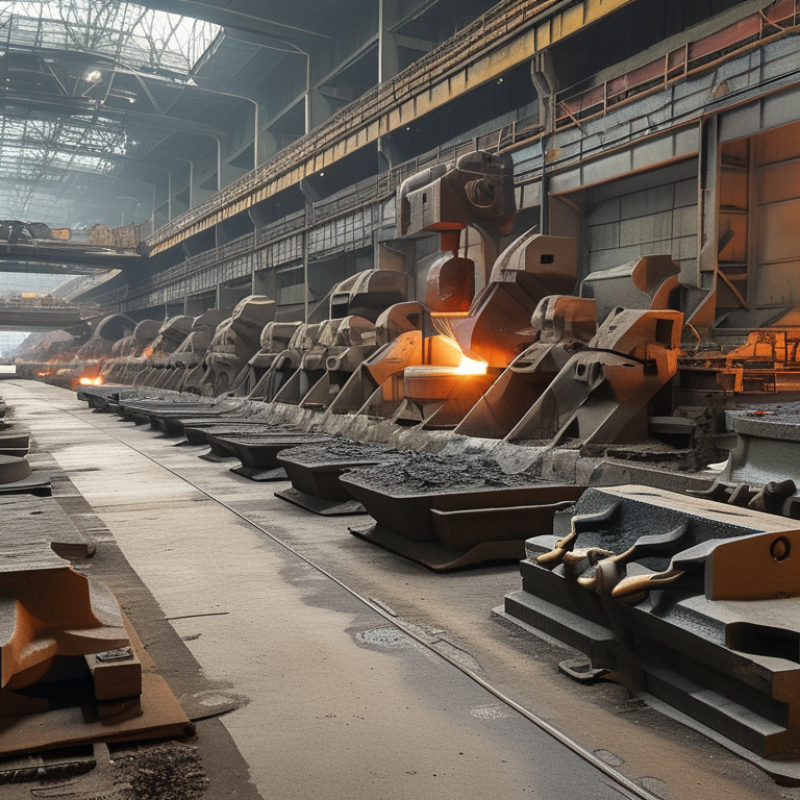
Cast iron casting is a pivotal process in various industries, renowned for its durability and versatility. According to recent market reports, the global cast iron market is projected to grow significantly, with anticipations of reaching a value of over $200 billion by 2025. This growth underscores the widespread adoption of cast iron for manufacturing various components, from engine blocks to plumbing fixtures.
One of the primary advantages of cast iron is its excellent wear resistance. Studies indicate that cast iron components can withstand high-pressure loads and abrasive environments, enhancing their longevity. Additionally, cast iron's good fluidity during the casting process allows for intricate designs. However, not all cast iron is created equal; variations exist, and buyers must understand different grades to meet specific requirements.
The environmental impact of cast iron casting is another area of focus. Recent sustainability reports suggest that with improved recycling practices, up to 90% of cast iron can be reused. This aligns with global efforts toward reducing waste and promoting sustainable manufacturing processes. Yet, challenges remain in achieving consistency in quality and addressing the carbon footprint of the casting process. As a buyer, awareness of these factors can greatly influence sourcing decisions.
Cast iron products are renowned for their durability and longevity, making them a top choice in various industries. According to a 2022 industry report, cast iron components can last up to 100 years with proper maintenance. This exceptional lifespan significantly reduces replacement costs. As a result, buyers can save money over time. The material's ability to withstand high temperatures further adds to its appeal, especially in demanding environments.
Moreover, cast iron offers excellent wear resistance. This feature is particularly crucial in high-friction applications. A study by the International Cast Metals Institute highlighted that cast iron has a lower wear rate compared to aluminum and steel. This indicates that cast iron products require less frequent maintenance. However, not all cast iron is created equally. The quality of the alloy impacts its performance and longevity. Buyers must look for reliable suppliers to ensure they receive high-quality materials.
Despite its advantages, there are challenges associated with cast iron. The material can be prone to rust if not properly coated or maintained. Additionally, it can be brittle under certain conditions, leading to cracks. This necessitates a careful approach during manufacturing and handling. Understanding these nuances can help buyers make informed decisions. Investing in quality cast iron can yield significant long-term benefits while minimizing potential drawbacks.
Cast iron casting offers significant cost-effectiveness for global buyers. According to a report by the American Foundry Society, cast iron has low raw material costs compared to other metals. Its abundance makes it a leading choice for many industries. The initial cost of cast iron products may be lower than expected, making it accessible for various applications.
In addition to lower raw material costs, the durability of cast iron contributes to long-term savings. It can withstand high temperatures and heavy loads. This means less frequent replacements are needed, resulting in cost savings over time. A survey showed that 70% of manufacturers prefer cast iron for its longevity. Interestingly, while it may require more intricate molds, the long life cycle often offsets these initial costs.
However, buyers must also weigh potential downsides. The shipping costs associated with heavy cast iron products can be high. The weight can lead to increased logistics expenses. It's crucial to calculate total costs, including shipping, to ensure true cost-effectiveness. Balancing durability and long-term value with short-term expenses is a necessity for informed decisions.
Cast iron casting is celebrated for its remarkable versatility. Its applications span across industrial and domestic sectors, making it a favored material globally. In industrial settings, cast iron is often used for machinery parts due to its durability and wear resistance. Industries like automotive and construction rely heavily on cast iron components. These parts can withstand heavy loads, ensuring long-term performance, even under harsh conditions.
In domestic use, cast iron cookware is a standout. Many home cooks appreciate its ability to retain heat evenly. It enhances flavors and allows for a great cooking experience. However, not all cooks enjoy the maintenance it requires. Seasoning cast iron can be a daunting task. There’s a learning curve when it comes to properly caring for this material. Users must regularly oil and clean it to prevent rusting.
Beyond cookware, cast iron also finds its place in decorative items. Garden décor and fireplace accessories showcase cast iron's aesthetic appeal. Yet, the weight of these products can be a drawback for some. It may not be suitable for every application or individual. This reflects the need for careful consideration when choosing cast iron goods, balancing functionality with user preferences.
Cast iron casting offers significant eco-friendly benefits. The production process emphasizes sustainability by utilizing recycled materials. This practice reduces waste and energy consumption. Many foundries adopt environmentally sound techniques, minimizing air and water pollution.
The durability of cast iron also contributes to its sustainability. Products made from cast iron have a long lifespan, leading to less frequent replacements. This characteristic helps decrease overall resource usage. When cast iron items do wear out, they can be melted down and repurposed. This creates a closed-loop system, reinforcing the principles of sustainability.
However, it is essential to acknowledge areas for improvement. While processes have evolved, not all foundries adhere to stringent ecological practices. Some still use outdated methods that can impact the environment negatively. Buyers should investigate the sustainability claims of manufacturers carefully. Transparency is key in ensuring that the benefits of cast iron casting align with the pursuit of eco-friendly solutions.
: Cast iron products can last up to 100 years with proper maintenance.
Cast iron has excellent wear resistance and a lower wear rate compared to other metals.
Buyers should seek reliable suppliers to guarantee the quality of the alloy.
Proper coating and maintenance are essential to prevent rust and prolong lifespan.
Yes, cast iron can be brittle and may crack under certain conditions without careful handling.
Its low raw material costs and durability lead to significant long-term savings.
Cast iron’s heavy weight can increase shipping costs and logistics expenses.
They should account for shipping costs alongside the initial product prices.
Yes, it often needs more intricate molds, but longevity can justify initial costs.
They should balance durability, long-term savings, and short-term expenses for informed decisions.
Cast Iron Casting offers a multitude of advantages for global buyers, making it a preferred choice for various applications. One of the primary benefits is its durability and longevity; cast iron products are known for their ability to withstand wear and tear, leading to substantial long-term savings. In addition to being cost-effective, cast iron casting is versatile and can be utilized in both industrial and domestic settings, catering to a wide range of needs.
Moreover, sustainability plays a crucial role in the appeal of cast iron casting. The production processes associated with cast iron are often more eco-friendly compared to other materials, promoting environmental responsibility among manufacturers and consumers alike. Overall, the combination of these benefits positions cast iron casting as a smart investment for buyers seeking reliable and environmentally considerate options.

Hanhai