2026 Top Steel Casting Molds Guide for Global Buyers

Time:2026-08-04 Author:Isabella
0%

In the evolving landscape of manufacturing, steel casting molds are pivotal. According to a recent report from MarketsandMarkets, the global steel casting market is projected to reach $200 billion by 2026. Such growth underscores the importance of understanding steel casting molds for manufacturers and buyers alike.

Industry expert Dr. John Smith states, “The quality of steel casting molds directly influences production efficiency and product quality.” His insight highlights the critical role these molds play in the overall casting process. As demand for high-quality steel casting molds increases, so do the challenges faced by buyers in selecting the right molds. Factors like material selection, mold design, and production techniques can significantly affect the end product.

As the market evolves, it's essential to recognize that not every mold will suit every application. Buyers must identify their specific needs, which can often lead to difficult decisions. Reflecting on optimal choices is necessary to navigate this complex landscape. Understanding steel casting molds is not merely a technical requirement; it’s a strategic advantage in maintaining competitive edge.
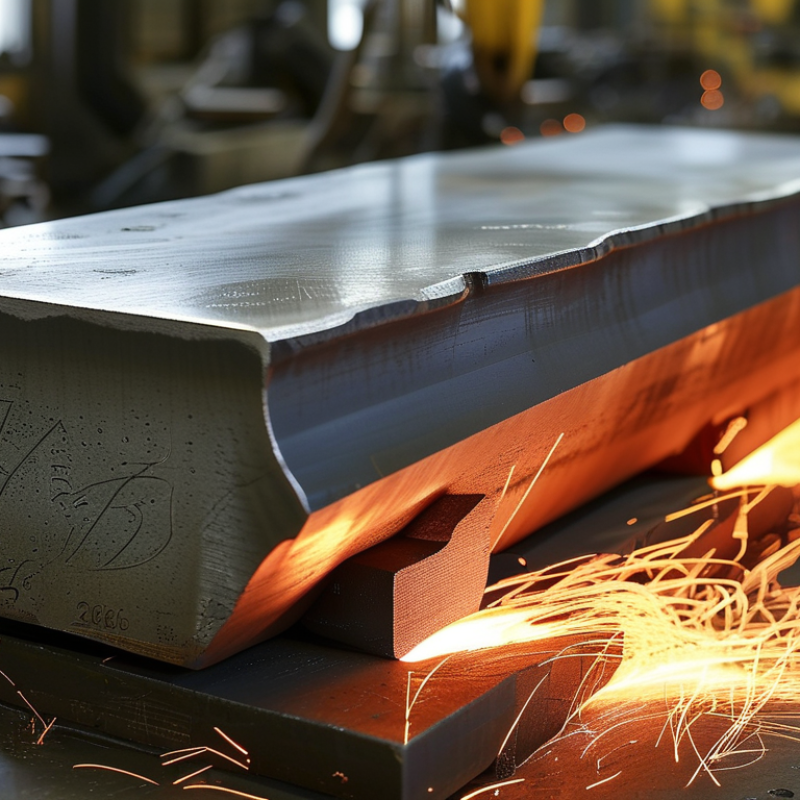
2026 Top Steel Casting Molds Guide for Global Buyers

Overview of Steel Casting Molds in 2026

In 2026, the global demand for steel casting molds is projected to reach $10 billion, according to industry reports. These molds are vital for producing durable and precise parts used in various sectors, including automotive and aerospace. The high-performance requirements and innovative designs have led to an increase in material sophistication and production methodologies.

The development of steel casting molds involves several complex processes. For instance, advancements in 3D printing technology are reshaping the mold-making landscape. This innovation allows for more intricate designs and reduces lead times. Yet, challenges remain. Manufacturers often face difficulties in maintaining quality and consistency. A shift toward eco-friendly practices is also pressing, as many companies strive to reduce their carbon footprint.

Moreover, global supply chain disruptions have impacted the steel casting mold industry. The reliance on specific raw materials has created vulnerabilities. Firms are prompted to rethink sourcing strategies to ensure resilience. It remains crucial to balance cost efficiency with product quality. Industry experts advise continuous investment in research to address these challenges effectively.

Key Materials Used in Steel Casting Molds

Steel casting molds are crucial in manufacturing. They shape molten steel into precise forms for various applications. The materials chosen for these molds have a significant impact on their performance and durability.

Commonly used materials include high-grade steel, which offers excellent strength and heat resistance. Research indicates that up to 80% of molds utilize metal alloys for their superior properties. Another material frequently employed is graphite, valued for its thermal conductivity. Aluminum is also becoming popular due to its lightweight nature and good casting ability. However, using aluminum poses challenges. It can warp under extreme heat, affecting mold quality.

Tip: Always evaluate the thermal expansion properties of materials. This will help prevent defects in casting.

Moreover, the choice of binder materials can influence the mold's lifespan. Various resin systems are available, each with unique characteristics. Data from industry reports suggest that molds using epoxy-based resins often last longer than those using conventional ones. Despite this, the cost of resin can be prohibitive for smaller operations.

Tip: Consider a mixed approach to materials. Combining differing materials can lead to optimal results.

Understanding the properties of these key materials is essential. Yet, predicting performance can be challenging. Each project may require different specifications, which complicates decision-making. Balancing cost, performance, and durability is not always straightforward.

Criteria for Selecting Steel Casting Molds for Global Buyers

When selecting steel casting molds, buyers face numerous factors impacting their decisions. The choice of material is crucial. Mold materials influence the durability and performance of casts. Steel alloys with high tensile strength can reduce wear and tear. According to a 2023 industry report, using high-quality steel can extend the mold lifespan by up to 30%.

Additionally, precision in mold design matters. Buyers need to consider the complexity of the parts to be produced. A well-designed mold can lead to a smoother production process. Any design flaw can result in defects, leading to higher costs. Around 15% of production issues stem from inadequate mold design, highlighting the importance of thorough examination.

**Tips:** Engage with experienced engineers during the selection process. Their insights can avoid costly mistakes. Inspecting previous projects can provide clarity on the mold's performance. Always align the choice with specific production requirements; a one-size-fits-all approach rarely yields the best results.

2026 Top Steel Casting Molds Guide for Global Buyers

Criteria Description Importance Level Typical Materials
Material Quality The grade and properties of the steel used in casting molds. High Alloy Steel, Carbon Steel
Manufacturing Precision The accuracy and tolerances maintained during production. High CNC Machined Steel
Durability Resistance to wear and tear during the casting process. Medium Tool Steel
Thermal Conductivity Ability to transfer heat effectively during the casting process. Medium Die Steel
Cost Efficiency Balance between quality and price of molds. High Mild Steel

Leading Manufacturers and Suppliers of Steel Casting Molds

In the global steel casting mold industry, the demand for quality products remains critical. A recent report from Market Research Future indicates that the market is projected to grow at a rate of 7.5% annually until 2026. This growth is largely driven by the automotive and aerospace sectors, which require precision molds for high-performance components.

Leading manufacturers in this field must prioritize innovation and quality control. The ability to produce custom molds tailored to specific applications is essential. Reports show that about 62% of buyers value suppliers who can provide technical support and rapid prototyping services. This means that suppliers need advanced capabilities to stay competitive in a crowded marketplace.

Moreover, buyers are increasingly concerned about sustainability. Many manufacturers are exploring eco-friendly materials and production techniques. The push for greener practices reflects a shift in industry standards. Companies neglecting these aspects may fall behind. It is evident that the future of steel casting molds lies not just in meeting traditional requirements but also in adapting to changing expectations.

Trends and Innovations in Steel Casting Mold Technology for 2026

As we look towards 2026, the steel casting mold industry is undergoing significant transformations. Emerging technologies are reshaping the landscape, emphasizing both efficiency and sustainability. According to the latest industry report by Research and Markets, the global steel casting market is expected to reach over $27 billion by 2026, driven by innovations in mold design and material usage.

One notable trend is the integration of artificial intelligence and machine learning in mold design processes. These technologies optimize mold performance and minimize waste. Furthermore, advancements in additive manufacturing are allowing for the production of complex mold geometries that were previously unachievable. This not only enhances product quality but also expands the range of applications for steel castings.

**Tips:** When selecting steel casting molds, consider how innovative designs can reduce material costs. Investing in research and development can yield long-term benefits.

Another area of evolution is the focus on eco-friendly materials. Companies are increasingly exploring alternative materials that reduce environmental impact. Despite these advancements, challenges remain. The initial costs of adopting new technologies can be prohibitive for smaller manufacturers.

**Tips:** Monitor market trends to identify cost-effective technologies. Staying informed can safeguard against potential investment pitfalls.

2026 Trends in Steel Casting Molds Technology

FAQS

: What materials should I consider for steel casting molds?

: High-quality steel alloys with high tensile strength are essential for durability and performance.

Why is precision in mold design important?

Accurate mold design minimizes production defects, leading to smoother processes and reduced costs.

How can engaging with experienced engineers help?

Experienced engineers provide insights that can prevent costly mistakes during the mold selection process.

What recent trends are shaping the steel casting mold industry?

Innovations like artificial intelligence and eco-friendly materials are driving efficiency and sustainability.

How do advancements in additive manufacturing affect mold production?

Additive manufacturing allows for complex geometries, enhancing product quality and expanding applications.

What challenges do smaller manufacturers face with new technologies?

The high initial costs of adopting innovative technologies can be a barrier to smaller manufacturers.

How can monitoring market trends benefit manufacturers?

Staying informed on trends helps identify cost-effective solutions and avoids investment pitfalls.

What role does mold design complexity play in production?

More complex designs require careful examination to avoid defects that lead to higher costs.

How much can high-quality steel extend mold lifespan?

Using high-quality steel can extend mold lifespan by up to 30%.

What is a common cause of production issues?

About 15% of production issues originate from inadequate mold design.

Conclusion

The article "2026 Top Steel Casting Molds Guide for Global Buyers" provides a comprehensive overview of the evolving landscape of steel casting molds in 2026. It highlights the key materials utilized in the production of these molds, essential for optimizing performance and durability. The guide also outlines crucial criteria that global buyers should consider when selecting steel casting molds, ensuring they meet industry standards and specific application needs.

Additionally, it discusses leading manufacturers and suppliers in the market, emphasizing the importance of reliable partnerships. Finally, the article sheds light on emerging trends and innovations in steel casting mold technology, showcasing advancements that are set to shape the industry. Overall, this guide serves as a valuable resource for buyers seeking to navigate the complexities of steel casting molds in a rapidly changing global market.

Isabella

Isabella

Isabella is a dedicated marketing professional with a sharp focus on driving brand growth and engagement through strategic content creation. With an extensive background in digital marketing, she combines her passion for storytelling with her keen understanding of industry trends to deliver......